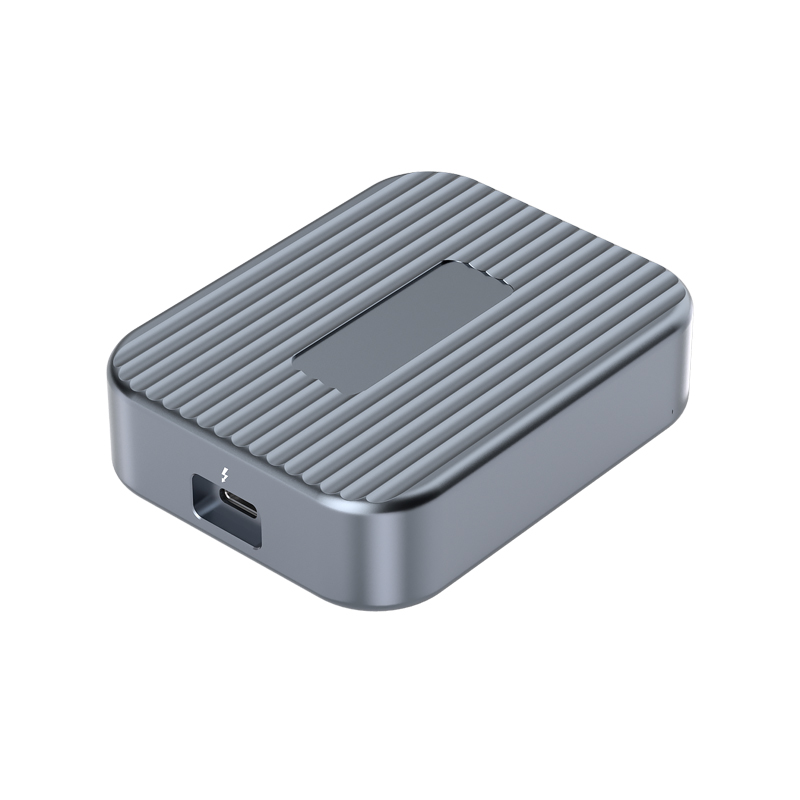
When discussing SSDs, although the interface type is a crucial factor to consider, it's not the only criterion for classification. Other factors, such as the SSD's form factor, read/write speeds, and storage capacity, also play significant roles in your purchasing decision.
Protocol and Speed
SATA (Serial ATA) is an older technology widely used in both HDDs and SSDs. SATA SSDs typically offer sequential read and write speeds of up to 550MB/s and 520MB/s, respectively.
NVMe (Non-Volatile Memory Express), on the other hand, is a new protocol specifically designed for SSDs, fully leveraging the capabilities of NAND flash memory. It utilizes high-speed PCIe (Peripheral Component Interconnect Express) channels to achieve exceptional performance. NVMe SSDs can deliver sequential read and write speeds of up to 3,500MB/s and 3,000MB/s, respectively.
It's important to note that SSDs come with various physical interfaces, including SATA, M.2, M-SATA, U.2, and PCI-E, with SATA and M.2 being the most common. M.2 SSDs can also be categorized into SATA protocol and NVMe protocol types. If an M.2 SSD uses the SATA protocol, its performance will be identical to that of a SATA SSD.
Comparison between NVMe and SATA SSDs
Physical Interface and Compatibility
NVMe SSDs often adopt a sleek and compact M.2 form factor, allowing direct connection to the motherboard. This design makes them ideal for ultrabooks and high-performance workstations with limited space. In contrast, SATA SSDs typically feature a 2.5-inch design, matching the size of traditional hard drives, ensuring high compatibility with older systems. When purchasing, ensure that the interface and size of the drive match your system requirements to avoid physical incompatibility issues.
Speed Advantage
NVMe SSDs leverage high-speed PCIe buses, enabling significantly faster data transfer rates compared to SATA SSDs. For instance, transferring a 20GB 4K movie file would take approximately 37 seconds on a typical SATA SSD, whereas an NVMe SSD could complete the task in around 10 seconds, representing a nearly four-fold increase in speed.
Note: Some M.2 slots support both SATA and NVMe drives, but performance differences can be substantial. Always check your system's interface compatibility and select the appropriate drive type for optimal performance.
Latency and IOPS
NVMe SSDs excel in terms of latency and Input/Output Operations Per Second (IOPS). Their advanced interface provides near-instantaneous data access and higher operation processing capabilities, crucial for tasks requiring rapid data processing, such as parallel and multi-queue operations.
Scalability
NVMe SSDs utilize PCIe channels, offering excellent scalability. As technology advances, their performance can continue to improve, providing a future-proof solution. In contrast, while SATA SSDs are reliable, they cannot offer the same level of scalability.
Application Scenarios and Recommendations
NVMe SSDs: For professionals who demand极致 (utmost) speed, such as video editors handling multiple large 4K or even 8K video files, gamers seeking faster game loading times, and users running data-intensive applications like high-end video games, video editing software, 3D modeling tools, and data analysis programs, NVMe SSDs are the ideal choice. They significantly reduce loading times, enhancing work efficiency and gaming experiences.
SATA SSDs: If budget constraints are a concern, SATA SSDs offer a more cost-effective solution. Although their speeds are lower than NVMe SSDs, they still outperform traditional hard drives by a wide margin, with read and write speeds reaching up to 560MB/s and 530MB/s, respectively. For users of older systems like Windows 7, SATA SSDs are more than adequate to meet basic needs.
Conclusion
SATA SSDs represent an economical and efficient solution for mainstream applications. In contrast, NVMe SSDs stand out in high-performance computing tasks due to their exceptional speed, lower latency, and advanced features. When making a purchase, consider your specific needs and budget to make an informed decision.