When utilizing an M.2 SSD enclosure for portable and high-speed storage, users may encounter several common issues. Below are detailed troubleshooting tips and solutions for these problems.
I. SSD Not Recognized or Detected by the System
One of the most prevalent issues is the computer or device's inability to recognize or detect the SSD. Here's how to address it:
Verify Installation and Connection: Ensure that the SSD is correctly installed inside the enclosure and that the enclosure's cable is firmly connected to your computer or device.
Try Different Ports and Cables: Experiment with connecting the enclosure to different USB ports or using a different cable to rule out port or cable malfunctions.
Check BIOS Settings: Access your computer's BIOS settings to confirm that it can detect the type of SSD you've installed (NVMe or SATA). Additionally, update both the BIOS and the SSD's firmware to the latest versions.
Manage Disk in Windows: In Windows, open "Disk Management" to see if the SSD appears. If it does but lacks a drive letter, manually assign one to it.
II. Slow Transfer Speeds or Poor Performance
If your M.2 SSD enclosure isn't delivering the expected transfer speeds or performance, consider the following steps:
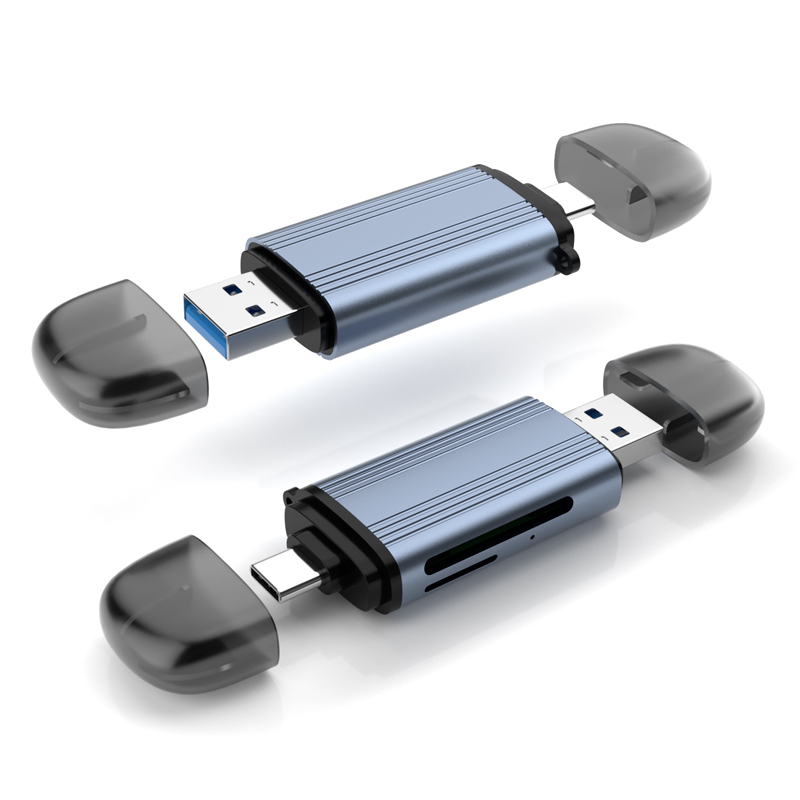
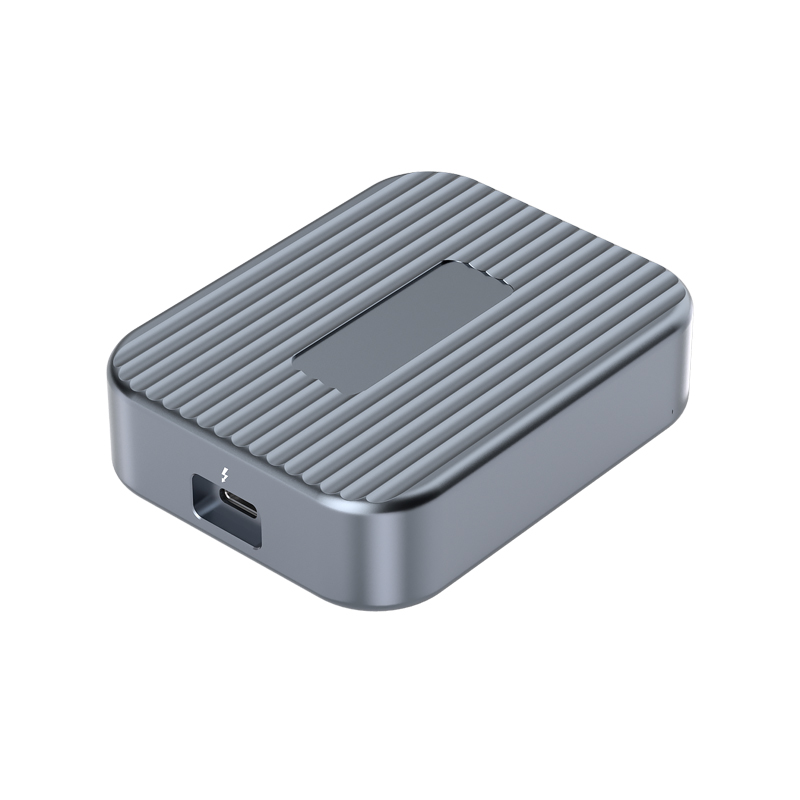
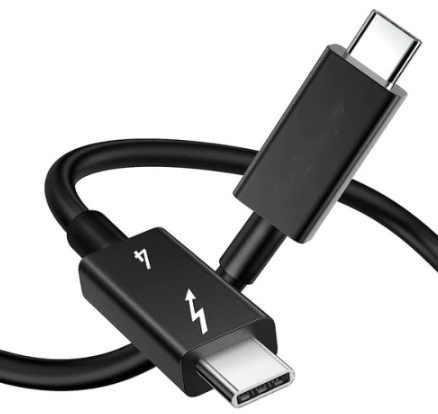
Confirm Connection Type: Ensure you're using the correct connection type (USB 3.0, USB-C, or Thunderbolt, depending on your enclosure) for optimal transfer speeds.
Address Overheating: Check if the SSD is overheating, as this can degrade performance. Verify that the thermal pad is correctly installed and consider adding additional cooling solutions if necessary.
Update Firmware and Drivers: Keep the SSD's firmware and your computer's drivers up to date to ensure compatibility and performance optimization.
Review Power Management Settings: Check your computer's power management settings to ensure they're not limiting the SSD's performance.
III. Enclosure Overheating
M.2 SSDs generate heat during operation, and improper heat management can lead to issues. Here's how to prevent enclosure overheating:
Ensure Adequate Ventilation: Place the enclosure in a well-ventilated area and avoid enclosing it or placing it near other heat-generating devices.
Inspect Thermal Pad: Regularly check that the thermal pad is correctly installed and replace it if damaged or worn out.
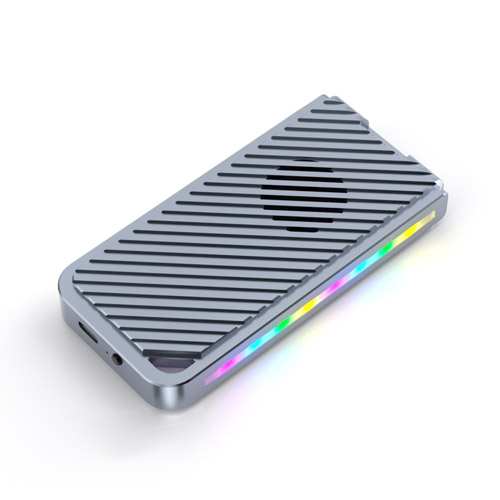
Opt for Enclosures with Cooling: If your SSD consistently runs hot, consider switching to an enclosure with built-in cooling solutions, such as a heatsink or fan.
IV. Enclosure Randomly Disconnects
If your M.2 SSD enclosure randomly disconnects during use, try these troubleshooting steps:
Change Ports and Cables: As with the SSD recognition issue, start by trying different USB ports and cables to eliminate connection problems.
Check Internal Connections: Open the enclosure to inspect for any loose internal connections and ensure the SSD is securely fastened.
Update Drivers and Firmware: Keep your computer's drivers and the SSD's firmware updated to maintain stability and compatibility.
Disable USB Selective Suspend: In Windows, go to Device Manager and disable the USB selective suspend setting to prevent the system from disconnecting the enclosure.
By following these troubleshooting tips and solutions, you can maximize the potential of your M.2 SSD enclosure and enjoy fast, reliable, and portable storage without breaking the bank.