Entry Level: USB 3.2 Gen 1 (5 Gbps)
• Real-world speed: ~450-500 MB/s
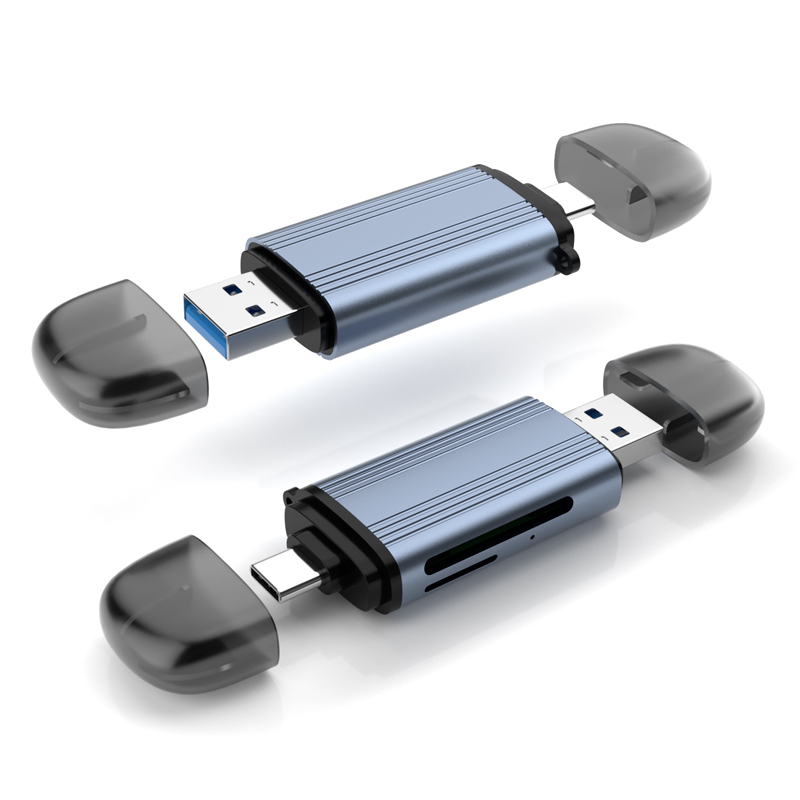
• Typical products: Basic office SSD enclosures
• Best for: Document storage, daily backup
• BOM cost: $8-15
• OEM MOQ: 1,000-2,000 units
Mainstream: USB 3.2 Gen 2 (10 Gbps)
• Real-world speed: ~900-1,000 MB/s
• Typical products: Consumer-grade NVMe SSD enclosures
• Best for: Content creation, gaming storage, mobile work
• BOM cost: $12-22
• OEM MOQ: 500-1,000 units
Advanced: USB 3.2 Gen 2×2 (20 Gbps)
• Real-world speed: ~1,800-2,000 MB/s
• Typical products: Premium consumer NVMe enclosures
• Best for: 4K video editing, large design files
• BOM cost: $25-40
• OEM MOQ: 500-1,000 units
High-End: USB4 (40 Gbps)
• Real-world speed: ~3,500-3,800 MB/s
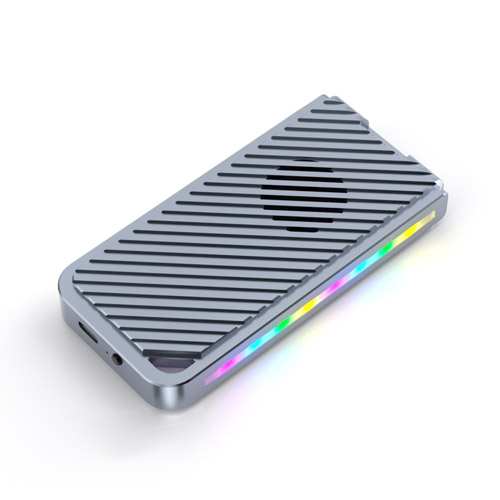
• Typical products: USB4 NVMe SSD enclosures
• Best for: 4K/6K video post-production, professional design
• BOM cost: $45-70
• OEM MOQ: 300-500 units
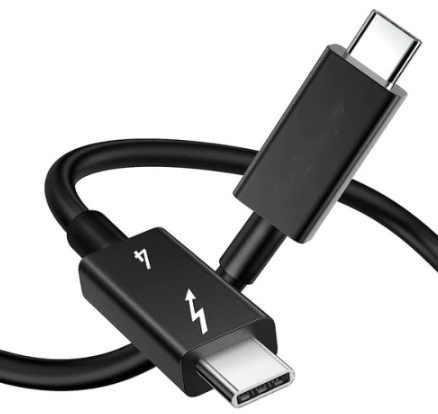
Professional: Thunderbolt 4 (40 Gbps)
• Real-world speed: ~3,000-3,200 MB/s (limited by Intel protocol overhead)
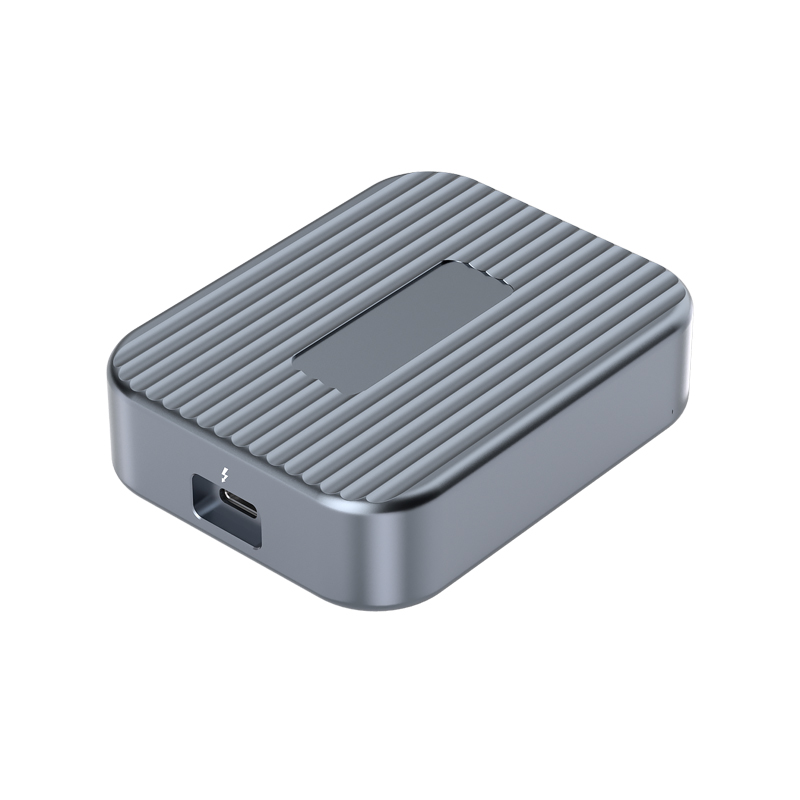
• Typical products: Intel-certified Thunderbolt SSD enclosures
• Best for: Film post-production, medical imaging, industrial measurement
• BOM cost: $80-130
• OEM MOQ: 200-500 units
Flagship: Thunderbolt 5 (80/120 Gbps)
• Real-world speed: ~6,000-6,500 MB/s
• Typical products: 2025-2026 next-generation professional enclosures
• Best for: 8K RAW workflows, AI training, massive dataset transfers
• BOM cost: $180-280
• OEM MOQ: 100-300 units
Why Do USB4 and Thunderbolt 4 Both Claim 40 Gbps but Perform Differently?
This is one of the most common technical questions B2B buyers ask. On paper, both standards advertise 40 Gbps—but real-world performance can differ by 15-20%.
There are three reasons:
1. Different Protocol Overhead
The Thunderbolt protocol introduces additional synchronization, encryption, and error-checking layers when tunneling PCIe traffic. These "safety redundancies" consume approximately 10-15% of effective bandwidth. USB4's protocol is leaner, with lower overhead.
2. Different PCIe Lane Allocation
• Thunderbolt 4: Fixed at PCIe Gen 3 ×4 (~32 Gbps usable)
• USB4: Flexible PCIe lane allocation (some implementations reach ~38 Gbps usable)
3. Different Certification Rigor
Thunderbolt requires strict Intel certification, with guaranteed minimum performance for every metric. USB4 certification is more lenient, resulting in highly variable USB4 product quality—some approach Thunderbolt-level performance, while others fail to match even USB 3.2 Gen 2×2.
Manufacturer's advice: For OEM/ODM projects, don't judge by interface name alone—demand actual benchmark data and certification marks.
Industry Applications: Which Tier Does Your Customer Need?
Film Production and Video Post-Production
Recommendation: Thunderbolt 4 / Thunderbolt 5
A single 8K RAW video frame can reach 100-200 MB, and 4K ProRes 422 HQ requires 734 Mbps sustained throughput. Only Thunderbolt-tier enclosures can guarantee multi-track real-time playback without dropped frames.
Typical clients: Post-production houses, broadcast production centers, independent filmmakers Order size: 50-300 units, $200-600 per unit
Medical Imaging and Research
Recommendation: Thunderbolt 4
Medical imaging datasets (CT, MRI, pathology slides) can reach tens of gigabytes per case, requiring zero-error, long-term reliable transfer. Thunderbolt's Intel certification provides the trust foundation medical buyers demand.
Typical clients: Hospital imaging departments, medical equipment OEMs, research institutions Order size: 20-100 units, $250-500 per unit
Design and Content Creation
Recommendation: USB4 or USB 3.2 Gen 2×2
Graphic designers, 3D modelers, and game developers need performance between consumer and professional tiers. USB4 delivers near-Thunderbolt performance at 40-50% lower cost.
Typical clients: Design agencies, game studios, content creator brands Order size: 100-500 units, $80-180 per unit
Enterprise and Mobile Productivity
Recommendation: USB 3.2 Gen 2 (10 Gbps)
Enterprise users primarily need document backup, mobile work, and client presentations. 10 Gbps is sufficient, and offers the broadest compatibility (works on any USB-C device).
Typical clients: Enterprise IT procurement, brand OEMs Order size: 500-2,000 units, $25-60 per unit
Consumer and Retail
Recommendation: USB 3.2 Gen 1 / Gen 2
Retail markets are extremely price-sensitive. 10 Gbps offers the best price-performance ratio, while 5 Gbps serves as the volume entry-level option.
Typical clients: 3C consumer brands, e-commerce sellers, retail chains Order size: 1,000-10,000 units, $15-45 per unit
Manufacturer's Perspective: What Buyers Don't See
This is what most comparison articles won't tell you—the manufacturing realities that determine project feasibility.
Chip Supply Chain Comparison
| Protocol |
Main Controller Suppliers |
Lead Time |
Cost per Chip |
| USB 3.2 Gen 2 |
ASMedia, JMicron, Realtek |
4-6 weeks |
$1.5-3 |
| USB 3.2 Gen 2×2 |
ASMedia, Genesys |
6-8 weeks |
$4-7 |
| USB4 |
ASMedia, VIA, Intel |
8-12 weeks |
$12-20 |
| Thunderbolt 4 |
Intel JHL8440 (exclusive) |
12-20 weeks |
$25-35 |
| Thunderbolt 5 |
Intel Barlow Ridge (exclusive) |
16-24 weeks |
$40-60 |
Critical insight: Thunderbolt protocol only works with Intel chips—there is no second-source supplier. This means during chip shortages, Thunderbolt projects face severe lead time risk.
Certification Costs and Timeline
| Protocol |
Certification Body |
Cost |
Timeline |
| USB 3.2 series |
USB-IF (optional) |
$0-5,000 |
0-1 month |
| USB4 |
USB-IF (mandatory) |
$5,000-15,000 |
1-3 months |
| Thunderbolt 4 |
Intel TBT (mandatory) |
$30,000-50,000 |
3-6 months |
| Thunderbolt 5 |
Intel TBT (mandatory) |
$50,000-80,000 |
4-8 months |
Thermal Design Differences
Higher interface performance means higher heat generation, making thermal design critical:
• USB 3.2 Gen 2: Plastic housing with simple thermal pad is sufficient
• USB 3.2 Gen 2×2 / USB4: Aluminum housing + thermal compound required
• Thunderbolt 4 / 5: Aluminum housing + vapor chamber + active cooling vents
A warning to buyers: If a Thunderbolt SSD enclosure is suspiciously cheap, scrutinize its thermal design first. Without proper thermal management, advertised performance is meaningless.