With the rapid development of storage technology, building a massive digital media library is easier than ever. Whether it’s movies, lossless music, retro games, or vast collections of e-books, everything can easily fit into our storage devices.
However, "hoarding" is just the first step; the real challenge lies in "management." If you cannot find the file you need, having abundant resources is meaningless. This article shares a practical logic for digital asset management to help you turn disorganized data into a well-ordered private library. This logic applies equally well to organizing office documents, spreadsheets, and presentations.
Why Go Fully Digital?
Compared to traditional physical collections, digital media libraries offer incomparable advantages:
Access Anywhere: As long as you have an internet connection or a portable device, your library follows you like a shadow.
High Retrieval Efficiency: Through file names and metadata, you can find your target in seconds among tens of thousands of files, without having to rummage through boxes for a dusty disc.
Defying Time: Tapes demagnetize, discs oxidize, and paper photos yellow. Digital files, provided they are backed up, can theoretically achieve "immortality," easily resisting physical aging and even natural disasters.
Space & Expansion: In an era where physical space is premium, digital collections save you a significant amount of room.
The Core: Metadata is the Soul of Organization
The orderliness of a digital archive depends on the quality of its "Metadata." Simply put, this involves tagging files with detailed labels. When organizing, focus on these three dimensions:
Descriptive Information: This is for human reading, including titles, creators, and summaries.
Administrative Information: The file's "ID card," such as file format, size, and date of digitization.
Technical Information: Details involving resolution, sample rate, or equipment parameters used during digitization.
Build & Store: Balancing Speed and Security
Before you begin, decide on your collection strategy. Are you prioritizing the rescue of molding VHS tapes or organizing recent travel vlogs? For old analog media (like VHS), you will need a capture card paired with software (like OBS) to convert them into digital signals.
When it comes to storage, choosing the right hardware is critical.
1. Formats & Backups Choose formats with broad compatibility and longevity (e.g., MP4 for video, TIFF for archival images). Simultaneously, strictly follow the "3-2-1 Backup Rule": keep at least 3 copies, stored on 2 different media types, with 1 copy stored off-site.
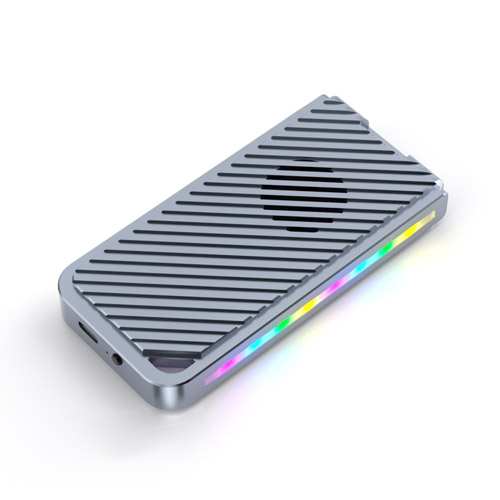
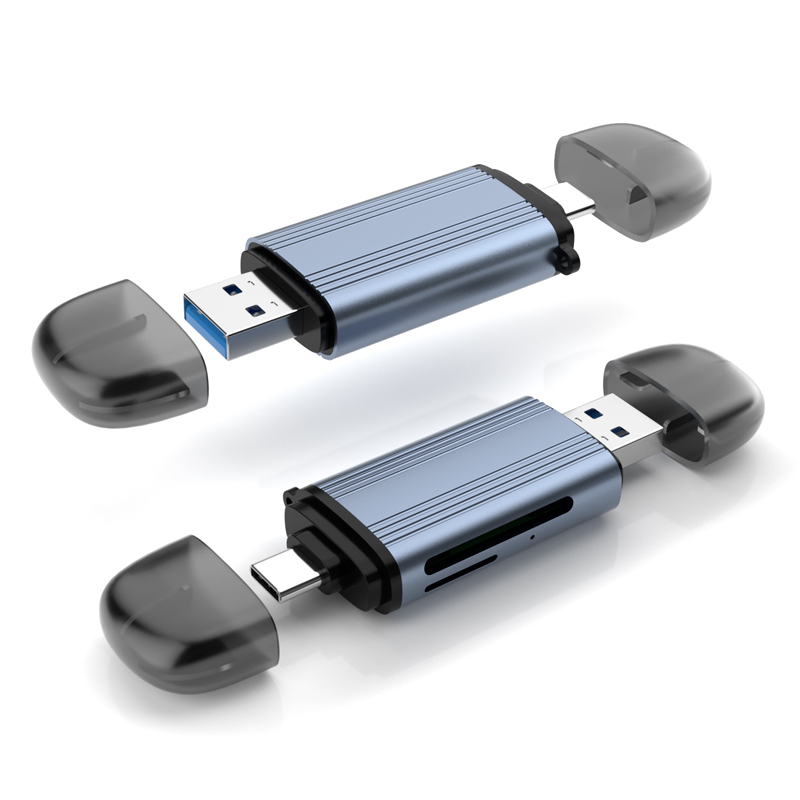
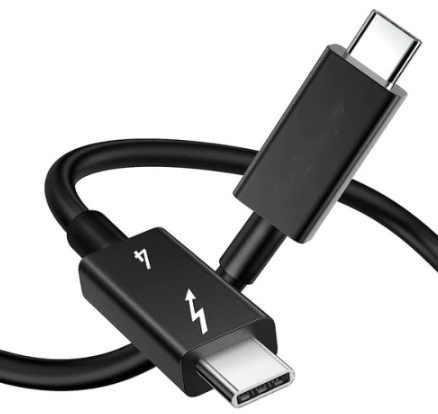
2. Hardware Selection & Upgrades As media file sizes explode (especially 4K/8K videos), the transfer speed of ordinary storage devices can become a bottleneck. To maintain fluidity when organizing and accessing large asset libraries, many enthusiasts are turning to high-performance mobile storage solutions.
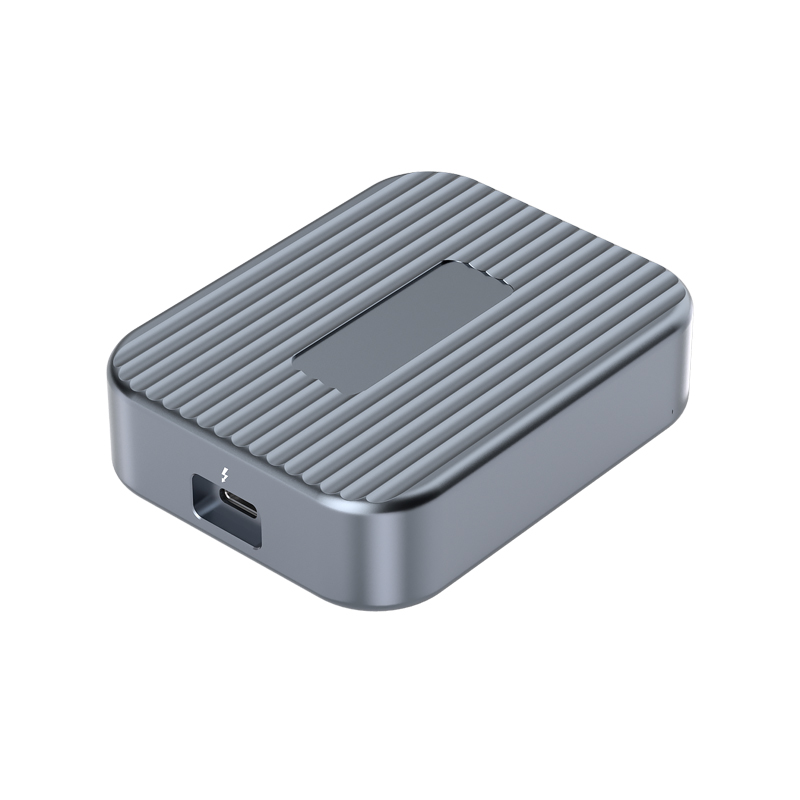
A pro tip here is to use a high-spec SSD Enclosure paired with a high-performance NVMe Hard Drive. For example, for users pursuing ultimate speed, devices supporting the latest Thunderbolt 5 protocol—such as the PURPLELEC TX009 Thunderbolt 5 SSD Enclosure—have become a pioneering choice. This type of SSD Enclosure boasts a theoretical bandwidth of up to 80Gbps, thoroughly unleashing the read/write potential of top-tier drives. Whether used as a high-speed editing drive or a cold backup for your core media library, this high-performance combination significantly reduces waiting times for data migration.
Maintenance: Making the Collection "Alive"
Creating an inventory list is necessary. It is not just a list; it is a treasure map.
Offline Catalog Management: If you own multiple external Hard Drives, it is highly recommended to use disk cataloging software. It scans and indexes the contents of all drives. When you need to find a file from ten years ago, you don't need to plug and unplug drives one by one; just search in the software, and it will tell you exactly which Hard Drive the file is located on.
Regular "Checkups": Storage media is not indestructible. Power on your drives regularly to check their health and update backup data. Also, develop the habit of cleaning up redundant, duplicate, or obsolete files to keep the library lean.
Family Sharing & Permission Management
When a digital collection serves the whole family, the classification logic needs to be more humanized.
Graded Protection: Not all content is suitable for children. Use folder encryption or permission settings to isolate adult-oriented movies or important financial documents from family entertainment content.
Diverse Classification Logic: Do not try to organize all files with a single logic.
- Music: Best archived by "Genre -> Artist -> Album."
- Photos: A timeline is the best index; archiving by "Year -> Month/Event" is the most intuitive.
- Documents: For sensitive information like tax returns or passport scans, it is recommended to create separate encrypted folders for each family member.
Hierarchy & Naming: Establish a clear hierarchy of main folders and subfolders. File naming should be consistent (e.g., Date_Event_Description.ext), which greatly reduces the difficulty of future retrieval.
Through scientific organization, the support of high-performance hardware like a premium SSD Enclosure, and regular maintenance, your digital media library will no longer be a pile of data, but a private museum of memories that you can roam through at any time.