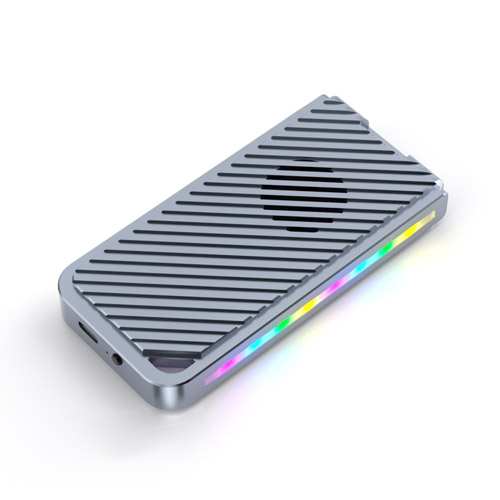
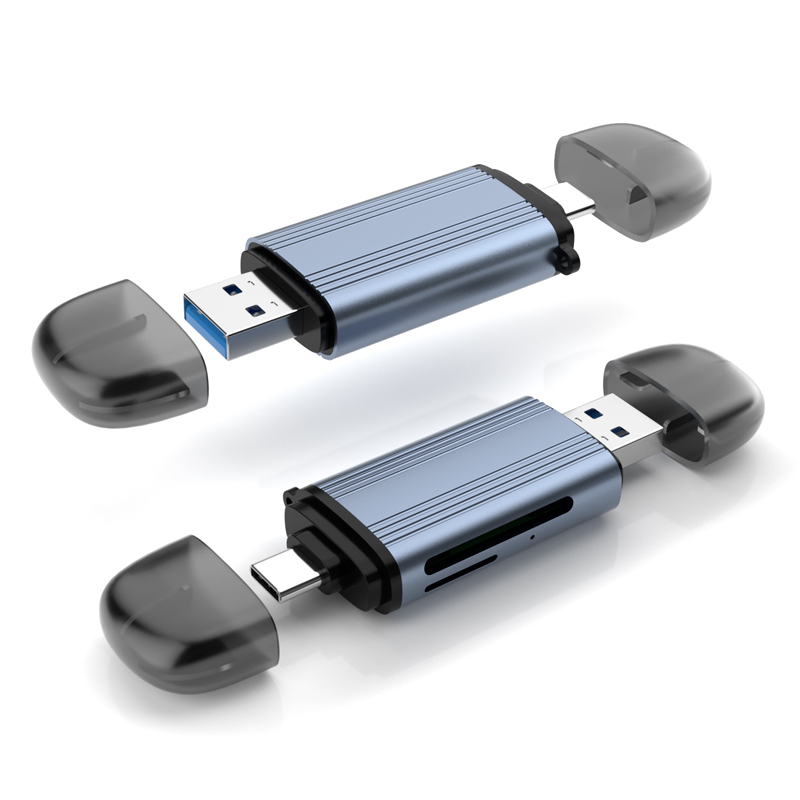
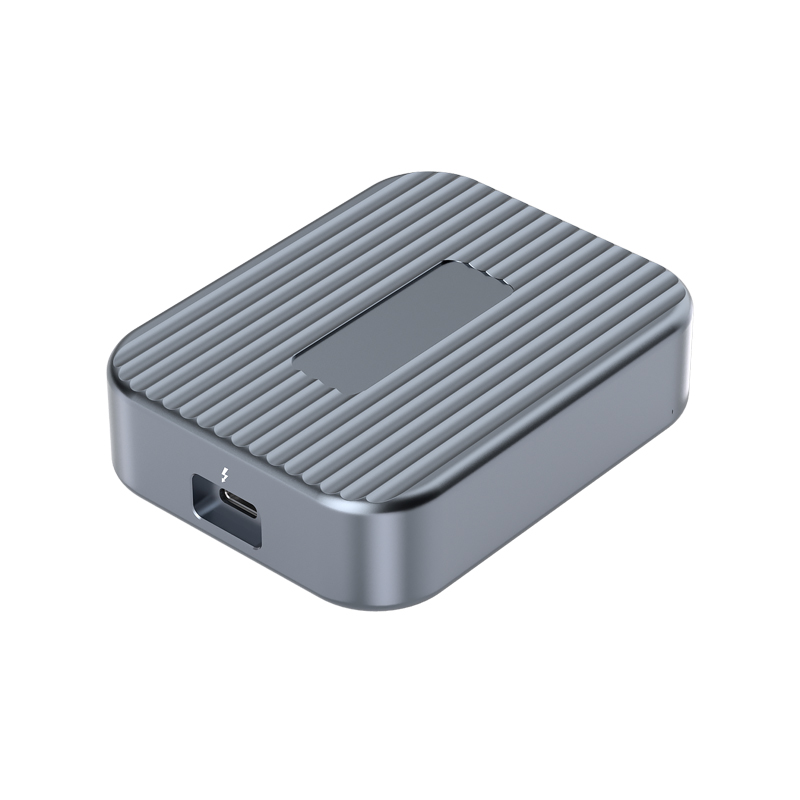
In an era where ultrabooks and slim laptops feature minimalist port designs, external connectivity solutions have become essential. However, a long-standing market confusion exists: simple USB Hubs are often conflated with complex USB-C Docking Stations. While the former merely addresses "port quantity," the latter is designed to solve "desktop functional expansion" and "system-level connectivity."
This cognitive bias leads users to overlook a core technical specification: Power Architecture. For professional users seeking data integrity and system stability, the Active Docking Station solution represented by PURPLELEC solves the power bottlenecks of traditional Bus-Powered hubs at the physical layer. This article analyzes, from the perspectives of electrical principles and data topology, why a docking station with an independent power supply is the superior connectivity solution.
1. Breaking the Bus-Powered Bottleneck: The Electrical Principle of Active Architecture
Strictly speaking, standard USB Hubs typically adopt a passive design, relying on the limited 5V/0.9A (USB 3.0 standard) current output provided by the host’s USB interface. When high-load devices (such as mechanical hard drives or RGB keyboards) are connected, this can easily trigger the motherboard's over-current protection or cause Voltage Drop.
PURPLELEC’s Active Docking Station design introduces an independent external power supply mechanism. This architecture logically decouples the "data transmission link" from the "power supply link." The power required to drive peripherals is distributed independently by the dock, no longer draining the laptop's precious motherboard current. This fundamentally eliminates "device dropouts" or "port resets" caused by multiple devices competing for power.
2. Signal Integrity and Controller Chip Power Redundancy
Data transmission stability depends not only on protocol bandwidth (e.g., USB 3.2 Gen 2) but also on the power stability of the docking station’s internal Main Control Chip (Controller). During massive data migration or multitasking (e.g., using Gigabit Ethernet while reading an SD card), the chip's power consumption rises significantly.
With a passive USB hub, insufficient power causes the control chip to forcibly throttle or even reboot. PURPLELEC ensures the internal chip always operates at full power by providing stable power redundancy. Even under full-load conditions, it maintains an extremely low bit error rate and stable I/O throughput, avoiding drastic fluctuations in transmission speeds.
3. Driving High-Impedance and High-Transient Response Devices
Professional workflows often involve high-end peripherals, such as enterprise-grade SSD enclosures, lega-cy printers, high-impedance audio interfaces, or portable monitors. These devices are often accompanied by extremely high Inrush Current at the moment of startup.
The capacitor reserve of ordinary hubs cannot handle this millisecond-level peak power consumption. PURPLELEC’s active architecture is specifically designed for high-power loads, featuring excellent transient response capabilities. This ensures that "finicky" high-performance peripherals are truly plug-and-play, preventing voltage instability from shortening device lifespans.
4. Building a Full-Featured Desktop Topology: More Than Just Splitting Ports
The essence of a Docking Station is to transform a laptop into a multi-functional desktop workstation, distinct from a simple "one-to-four" splitter hub. PURPLELEC integrates USB-A/C data ports, HDMI/DP video output, RJ45 networking, and storage card slots into its design.
Behind this high integration lies a complex circuit topology. Video signal conversion and Gigabit network transmission are "power-hungry" operations. Active power supply not only supports the physical connection of these interfaces but also ensures electrical isolation and stability during multi-protocol concurrency. Users can build a complete topology including multi-screen displays and wired networking with a single cable (One-Cable Solution), without worrying about performance attenuation caused by port stacking.
5. PD Protocol and Dynamic Bi-Directional Power Distribution
The core technical barrier of modern active docking stations lies in their support for the USB PD (Power Delivery) protocol. Select professional models from PURPLELEC support intelligent dynamic power distribution and Pass-through Charging.
Unlike simple hubs, PURPLELEC docking stations can perform a PD protocol handshake with the host. After reserving the necessary power for its own operation, it transmits the remaining high-power electricity (e.g., 65W/100W) back to the laptop. This mechanism eliminates the conflict of occupying a Type-C port that prevents charging, ensuring the laptop remains fully charged during high-energy tasks like video rendering or long meetings, thoroughly solving battery anxiety.
Conclusion: The Cornerstone of Stable Connectivity
As the digital device ecosystem becomes increasingly complex, mere "port replication" can no longer meet the needs of efficient office work. The key to distinguishing between a USB Hub and a Docking Station lies in whether it possesses a power architecture capable of supporting complex peripheral environments.
PURPLELEC Active USB-C Docking Stations fill the power gap of lightweight laptops in multi-peripheral environments through independent power designs. For users hoping to build an efficient and reliable digital workflow, choosing a professional docking station with an independent power supply is a vital investment in device data safety and operational stability.