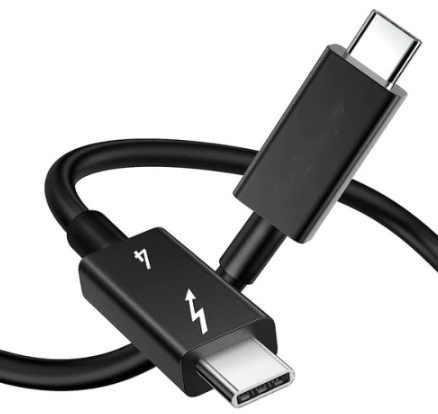
If you're seeing the error "multiple docking stations are not simultaneously supported" when connecting two docks to your laptop, the issue is almost always caused by one of three things: a DisplayLink driver conflict, a Thunderbolt host controller limitation, or an OEM firmware restriction (common on Dell WD, Lenovo ThinkPad, and HP USB-C docks).
The short answer: most laptops are designed to recognize only one docking station at a time through their primary high-speed interface. However, depending on your hardware, there are workarounds — and in some cases, hardware solutions that allow true multi-dock setups.
This guide explains exactly why this limitation exists, how to fix it for the most common brands (Dell, Lenovo, HP, Apple), and what to do if you genuinely need to run multiple docks simultaneously in a business environment.
What Causes the "Multiple Docking Stations Not Simultaneously Supported" Error?
Before jumping into fixes, it helps to understand why this happens. There are three root causes — and the right fix depends on which one applies to your setup.
1. DisplayLink Driver Conflict
DisplayLink is a chipset technology used in many universal USB-C and USB-A docking stations to transmit video signals over USB. Instead of using your laptop's native graphics output, DisplayLink creates a virtual display adapter in software.
When you connect two DisplayLink-based docks at the same time, both drivers compete for the same virtual graphics resources. Windows typically resolves this by recognizing only one dock and disabling video output on the second — which triggers the "not simultaneously supported" warning.
Common symptoms: the second dock charges your laptop and provides USB pass-through, but external monitors connected to it stay black.
2. Thunderbolt Host Controller Limitation
Most laptops — even those with two Thunderbolt 3 or Thunderbolt 4 ports — contain only a single Thunderbolt host controller. That controller can establish a primary connection with one upstream Thunderbolt device at a time.
If you connect two full Thunderbolt docks in parallel (one to each TB port), the controller will accept the first connection and either reject the second or run it in a degraded USB-C-only mode. This is a hardware-level design decision, not a software bug.
The workaround: Thunderbolt was specifically designed to be daisy-chained. Instead of connecting both docks to the laptop, connect Dock A to the laptop, then connect Dock B to Dock A's downstream Thunderbolt port. We'll cover this in detail later.
3. OEM Firmware Restriction
Major laptop manufacturers — Dell, Lenovo, and HP in particular — have built explicit single-dock policies into their BIOS and dock firmware. When the system detects two branded docks (for example, two Dell WD19 units), it intentionally disables one to prevent power negotiation conflicts and unsupported configurations.
This restriction is documented in their official support materials and is rarely overridable through software alone. If you're using two identical OEM docks, this is almost certainly your issue.
Brand-Specific Solutions
Below are the most common error scenarios broken down by manufacturer. Find your laptop or dock brand and follow the relevant steps.
Dell WD Series (WD19, WD19TB, WD22TB4)
Dell's official position is clear: their WD-series docks are designed for single-dock use only. Connecting two Dell docks to one laptop is not supported and will produce the simultaneous-use error in nearly every case.
Recommended steps:
1. Open Dell Command | Update and install all available firmware and driver updates for your laptop and dock.
2. Reboot, then enter BIOS (F2 at startup). Navigate to System Configuration → USB/Thunderbolt Configuration.
3. Confirm that Thunderbolt Boot Support is enabled and Security Level is set to "User Authorization".
4. If you must run two docks, configure one Dell dock as your primary and pair it with a third-party USB-C hub for additional ports — Dell firmware will not block non-Dell secondary devices.
Lenovo ThinkPad Docking Stations
Lenovo offers two main dock families with different behaviors. The ThinkPad Hy-brid USB-C Dock uses DisplayLink and is more permissive, while the ThinkPad Universal Thunderbolt 4 Dock follows Thunderbolt's strict single-host rule.
Recommended steps:
1. Update all dock firmware via Lenovo Vantage or the standalone Lenovo Dock Manager utility.
2. For Thunderbolt docks: try daisy-chaining instead of parallel connection (laptop → Dock A → Dock B).
3. For Hy-brid USB-C docks: install the latest DisplayLink driver from displaylink.com — Lenovo's bundled driver is often outdated.
4. In Windows Device Manager, expand Display Adapters and verify only one DisplayLink adapter is active. Disable duplicates if present.
HP USB-C / Thunderbolt Universal Docks
HP's restrictions are slightly more relaxed than Dell's, but Power Delivery (PD) negotiation conflicts are common when two docks attempt to charge the same laptop simultaneously. The system typically defaults to the higher-wattage dock and disables the second.
Recommended steps:
1. Use HP Support Assistant to apply all pending dock and BIOS updates.
2. Disable Power Delivery on one of the two docks (via HP Dock Settings utility) so only one dock charges the laptop.
3. Connect monitors to your laptop's primary dock and use the secondary dock only for peripherals (keyboard, mouse, storage).
MacBook (M1, M2, M3, M4) Multi-Dock Setups
This is one of the most common pain points for Mac users. The base M1, M2, M3, and M4 chips natively support only one external display, regardless of how many docks you connect. The M-series Pro and Max chips support multiple external displays, but still funnel them through Apple's display controller, which has its own limitations.
Recommended steps:
1. Identify your chip: Apple menu → About This Mac. Confirm whether you have a base, Pro, or Max chip.
2. If you have a base M-series chip and need multiple external displays, install the DisplayLink Manager app from displaylink.com — this enables additional displays via software-based virtual display adapters.
3. Use a single high-quality dock with multi-display support rather than two parallel docks.
4. After macOS updates, always reinstall the latest DisplayLink Manager — Apple frequently breaks third-party display drivers in major OS releases.
General Troubleshooting Steps (Any Brand)
If your situation isn't covered above, work through this checklist in order. These steps resolve the majority of multi-dock conflicts regardless of hardware.
1. Update drivers: install the latest DisplayLink driver from the official site, plus all chipset and Thunderbolt drivers from your laptop manufacturer.
2. Check Thunderbolt firmware version: in Windows, run the Thunderbolt Control Center; on macOS, check System Information → Thunderbolt.
3. Test docks individually first: confirm each dock works correctly on its own before trying to combine them. This isolates whether the issue is hardware or configuration.
4. Try different USB-C / Thunderbolt ports: not all ports on a laptop are equivalent — some are USB-C only, others are full Thunderbolt. Mismatched ports cause silent failures.
5. Disable hibernation and Windows Fast Startup: both interfere with proper dock re-enumeration after sleep. In Windows, run powercfg /h off in an elevated command prompt.
6. Check power delivery: connecting two PD-capable docks can confuse the laptop's charging negotiation. Use only one dock to deliver power.
7. Reset SMC and NVRAM (Mac only): with the laptop powered off, hold Control + Option + Shift + Power for 10 seconds, then boot normally.
When You Genuinely Need Multiple Docks: Hardware Solutions
For most users, a single well-chosen dock with dual or triple monitor support resolves the underlying need. But there are legitimate enterprise scenarios — multi-host workstations, hot-desking environments, KVM setups — where multiple docks are genuinely required. Here are the three approaches that actually work.
1. Daisy-Chaining Thunderbolt Docks
Thunderbolt 3 and Thunderbolt 4 were designed from the ground up to support daisy-chaining up to six devices in a single chain. Instead of connecting both docks to your laptop in parallel, you connect:
Laptop → Dock A (primary) → Dock B (secondary) → optional further devices
This satisfies the single-host-controller requirement because the laptop only sees one upstream device. The secondary dock is enumerated as a downstream Thunderbolt device, not a competing host connection.
Important caveat: the entire chain shares a single Thunderbolt 4 bandwidth budget (40 Gbps). Connecting two 4K monitors plus high-speed storage to a daisy-chain may saturate the link and reduce performance.
2. KVM-Style Docking Stations
If your actual need is to switch one set of monitors and peripherals between two laptops, you don't need two docks running simultaneously — you need a KVM (Keyboard-Video-Mouse) dock. These devices connect to two host laptops at once and let you switch the active host with a button press, all without unplugging cables.
This is the ideal solution for hy-brid workers who use a personal MacBook and a corporate Windows laptop at the same desk.
3. Enterprise Multi-Host Docking Solutions
For business deployments — shared desks, training rooms, engineering workstations — purpose-built enterprise docking solutions support true multi-host configurations. These docks are designed around the limitations described in this article and use independent display controllers, dedicated PD circuits, and managed firmware to avoid the conflicts that consumer docks suffer from.
PURPLELEC's enterprise docking stations are engineered specifically around these limitations. If you're managing a fleet of workstations or designing a hot-desking deployment, a consumer dock will keep producing this error no matter how many fixes you apply. The right solution is hardware built for the workload.
Frequently Asked Questions
Q1: Can I use two Thunderbolt docks at the same time on one laptop?
A1: Not in parallel — your laptop has only one Thunderbolt host controller. You can, however, daisy-chain them: connect Dock B to Dock A's downstream Thunderbolt port instead of plugging both into the laptop.
Q2: Why does my second docking station only charge but not display?
A2: This is a classic DisplayLink or Thunderbolt conflict. The second dock's USB and power delivery functions still work, but its video output is disabled because Windows or macOS already assigned the display path to the first dock.
Q3: Does macOS support multiple docking stations?
A3: macOS technically allows multiple docks to be physically connected, but the display output behavior depends on your chip. Base M-series chips support only one external display natively. Pro and Max chips support multiple, but Apple's display controller still routes everything through a single managed pipeline.
Q4: What's the difference between daisy-chaining and parallel dock connection?
A4: Parallel means each dock has its own cable to the laptop — this triggers the host-controller conflict. Daisy-chaining means the laptop connects only to Dock A, and Dock B connects to Dock A. The laptop only sees one upstream device, so the conflict is avoided.
Q5: Is there a docking station that works with multiple laptops at the same time?
A5: Yes — multi-host enterprise docks and KVM-style docks are designed for exactly this. They connect to two laptops simultaneously and let users switch the active host on demand, ideal for hy-brid work, hot desks, and shared workstations.
Summary
The "multiple docking stations not simultaneously supported" error is rarely a true defect — it's a hardware design limitation built into most laptops and OEM docks. For the majority of users, a single high-quality docking station with dual or triple monitor support will resolve the underlying need without any conflict.
If you're managing multiple workstations in an enterprise environment and need a docking solution built for true multi-host or daisy-chain compatibility, the PURPLELEC business docking station lineup is engineered specifically to avoid these limitations.