Overview
If your Mac fails to recognize your iPhone when connected through a USB-A hub—but works perfectly when connected via USB-C—this usually indicates a compatibility or power issue somewhere in the connection chain.
Common causes include:
1. The hub does not support the USB specifications required by the iPhone
2. Faulty USB-A port or cable
3. Insufficient power supply to the iPhone or the hub
4. Outdated macOS or drivers
5. Software conflicts or system cache errors
Below is a detailed explanation of each cause, along with practical troubleshooting solutions.
I. Introduction
A USB hub expands the number of ports on your Mac, making it easy to connect multiple peripherals. However, if a device fails to be recognized, it can seriously disrupt your workflow.
This article focuses on a very common issue:
Your iPhone cannot be recognized through a USB-A hub, but works normally when connected via USB-C.
We will explore the possible reasons behind this and provide a step-by-step diagnostic guide to help you quickly identify the problem and apply the right fix.
II. Possible Causes
● Compatibility issues between the hub and the iPhone
USB-A and USB-C differ in protocols, power delivery, and data standards.
Some hubs provide USB-A ports designed only for low-power accessories, which may not support stable iPhone data transmission.
● Hardware damage or poor connection
Loose or worn USB-A ports
Cables that only support charging but not data
Dust or poor contact in the iPhone’s Lightning port
Any of these can result in connection failure.
● System or driver issues
Outdated macOS, missing drivers, corrupted caches, or system security restrictions can also prevent normal device recognition.
III. Troubleshooting Steps (Follow in Order)
① Check hub specifications and compatibility
Confirm the hub explicitly supports iPhone connections
Ensure USB-A ports are USB 3.0 or higher
Verify the hub’s power output is sufficient for data transmission
② Inspect hardware
Check whether the USB-A port is loose or damaged
Try another cable that supports data sync
Test whether the iPhone can be recognized on another computer
③ Ensure all software is up to date
Update macOS
Check if the hub manufacturer provides driver or firmware updates
Update Finder (macOS Catalina and later) or iTunes (older macOS versions)
④ Reset SMC and PRAM/NVRAM
These resets can resolve underlying hardware-configuration issues.
Refer to Apple’s official documentation for model-specific instructions.
IV. Solutions and Recommendations
● Contact the hub manufacturer
If the hub is confirmed to be faulty, consult customer support for repair or replacement.
● Switch to a more compatible USB hub
A hub with better power delivery or Apple-optimized compatibility can prevent similar issues.
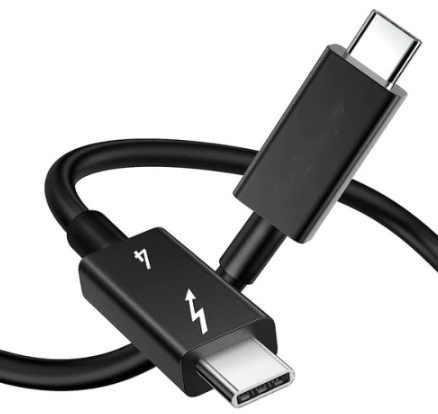
● Use the Mac’s USB-C port directly
If you frequently connect your iPhone, using a native USB-C port is the most stable and reliable method.
V. Conclusion
A Mac failing to recognize an iPhone through a USB hub typically results from compatibility issues, power limitations, hardware faults, or software problems.
By following the above troubleshooting steps, most cases can be quickly diagnosed and resolved successfully.