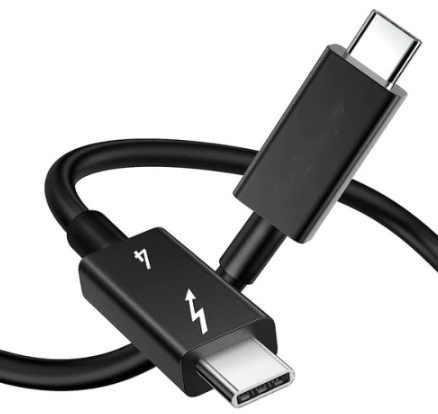
Have you ever been blindsided by that frustrating moment when you plug a drive or accessory into your USB-C hub and your computer throws up a cold message: “USB Not Recognized” or the more specific “The last USB device you connected to this computer malfunctioned”? It’s not just a workflow interruption—it can cause serious worry about accessing important data.
The source of this seemingly simple error can be multifaceted: it might be due to damaged USB ports on your PC, outdated or conflicting device drivers, or even an issue with the USB hub or the device itself.
Don't panic! To help you quickly navigate this frustrating situation, we have compiled six simple yet effective solutions. Follow these steps to troubleshoot the issue and get your USB devices back on track.
Solution 1: Give Your USB Device Drivers a Check-Up
Drivers act as the vital communication link between your computer and its hardware. If they’re outdated or corrupted, the communication breaks down, leading to USB failure. Reinstalling or updating these drivers is often the first and most critical step.
1. Right-click the Windows "Search" icon, type "Device Manager," and open the application.
2. Locate and expand "Universal Serial Bus Controllers."
3. Right-click on the first item in the list and select "Update driver."
4. In the pop-up window, choose "Search automatically for updated driver software."
5. If the system prompts you to check Windows Update, click through. You may need to click "View optional updates" to see and install any manually available drivers.
6. Repeat this process for all listed devices under the "Universal Serial Bus Controllers" section.
Finally, Restart your computer. The system will automatically reload the USB drivers upon boot-up, often resolving conflicts that caused the malfunction.
Solution 2: Tweak Your Computer's Power Management Settings
Windows includes an energy-saving feature called "USB Selective Suspend," designed to cut power to USB ports when devices are inactive. Sometimes, this feature is overzealous, causing devices to be prematurely disconnected. Disabling it can resolve many stability issues.
1. Right-click the "Search" icon and open "Control Panel."
2. Navigate to "Power Options."
3. Find your active power plan and click on "Change plan settings" next to it.
4. Click on "Change advanced power settings."
5. In the advanced settings window, locate and expand "USB Settings," then expand "USB selective suspend setting."
6. Change this setting to "Disabled."
7. Click "Save changes" or "OK" to apply the new settings.
Solution 3: The Simple Unplug and Replug Strategy
Sometimes, the issue is just a momentary system glitch. The simplest fix is often the most effective:
1. Gently pull out the problematic USB device and check if the error message vanishes.
2. Try unplugging and replugging the USB device a few times.
3. If the issue persists, open "Device Manager" again.
4. Under "Universal Serial Bus Controllers," look for any device marked with a yellow question mark or exclamation point.
5. Right-click on it, select "Disable device," and then "Uninstall device."
6. Restart your PC and let the system reinstall the device from scratch upon startup.
Solution 4: The Power-Drain Reset Method
Temporary glitches can build up within the computer's internal circuits and cache. A complete power cycle can help clear these temporary snags.
1. Unplug the power supply from your computer (if you're on a laptop, remove the battery as well, if feasible).
2. Wait for 2 to 3 minutes to ensure all residual power is drained.
3. Reconnect the power cable (and battery) and power your PC back on.
4. Plug in the USB device to see if the error is resolved.
Solution 5: Eliminate Device Conflict and "Internal Fighting"
Two connected USB devices might be conflicting with each other while vying for system resources. To rule this out:
1. Disconnect all other non-essential USB devices (like secondary monitors or extra peripherals).
2. Only connect the single problematic USB device that triggered the error.
3. If it works correctly, the issue is due to a device conflict. You may need to change the port on the hub or test which of your other peripherals is causing the "fight."
Solution 6: Run Windows Built-in Troubleshooters
Windows includes automated tools designed to scan for and fix common hardware issues.
Try running the Windows built-in "Hardware and Device Troubleshooter" or search for the "Windows USB Troubleshooter" to let the system automatically detect and suggest repairs.
Conclusion: When Is It Time for a New Hub?
If you have diligently worked through all six solutions above, yet the “The Last USB Device Not Recognized” error continues to appear, the problem is likely no longer with your computer's settings. Instead, it strongly suggests that the USB-C hub itself is defective or fundamentally incompatible with your device. At this point, retiring the faulty hub and upgrading to a reliable replacement is the next best step.