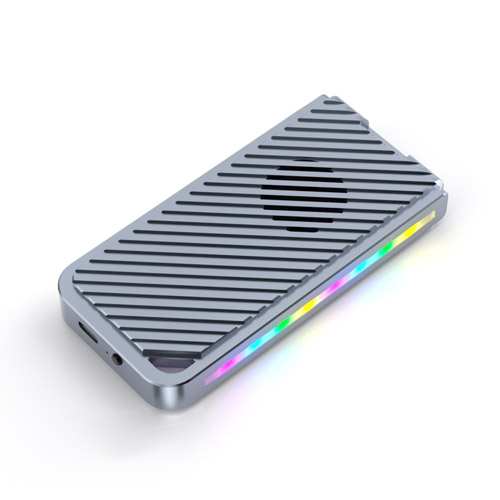
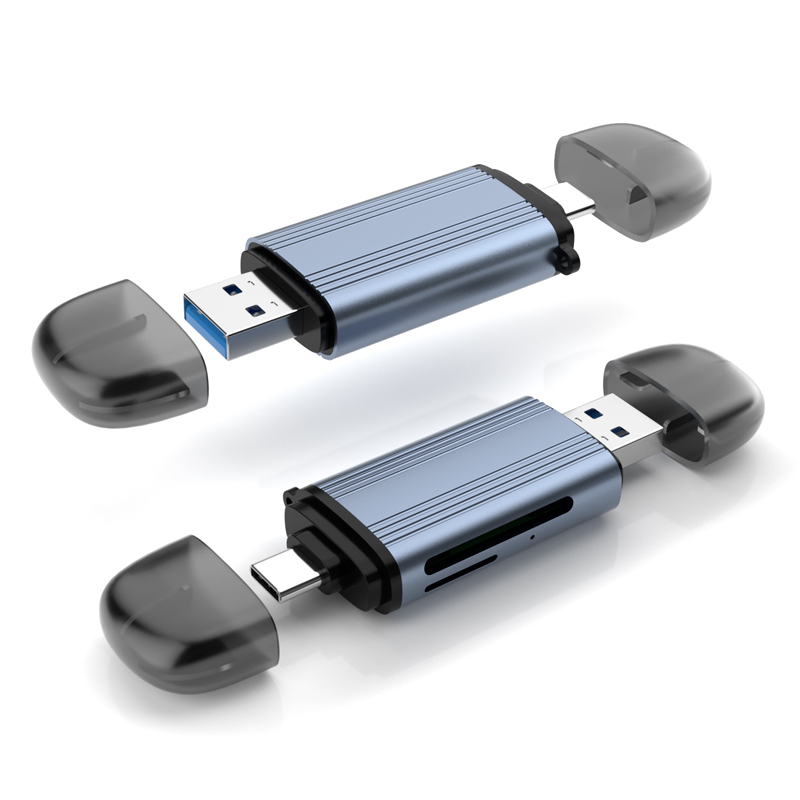
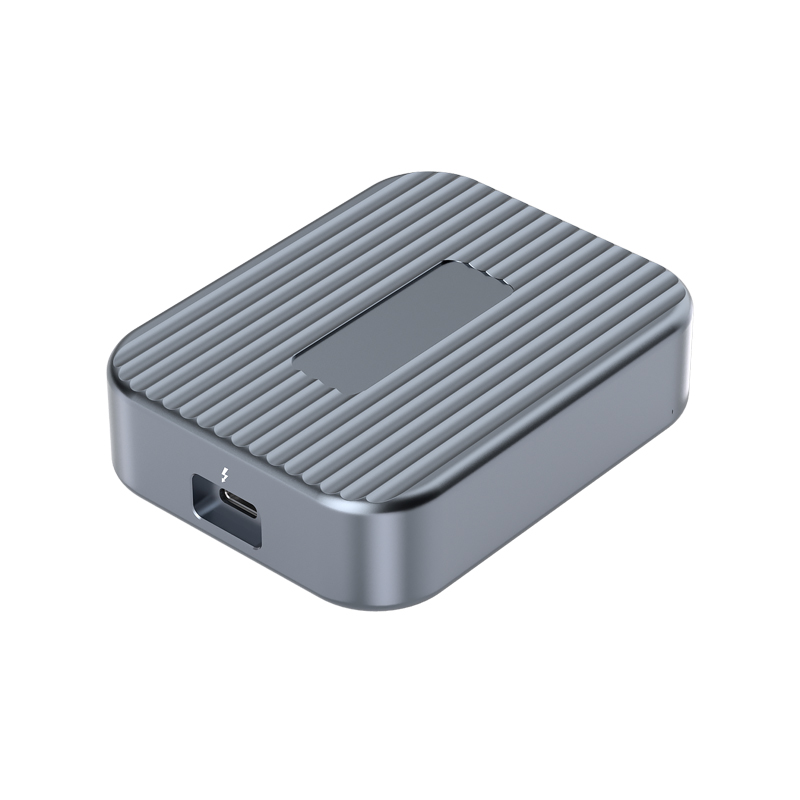
Video capture cards, also known as video capture devices, are essential hardware devices that primarily function to collect video signals, both analog and digital, into computers and save them as data files on hard drives.
Here are the key functions of video capture cards:
I. Video Signal Capture and Conversion
Signal Capture: Video capture cards are capable of receiving video signals from various video sources such as analog cameras, video recorders, LD players, televisions, digital camcorders, etc.
Signal Conversion: They convert the received analog video signals into digital signals that computers can recognize, or transmit digital video signals to computers without loss. This analog-to-digital conversion is achieved through the capture chip on the video capture card.
II. Video Signal Storage and Playback
Data Storage: The converted digital video signals are saved as data files on the computer's hard drive, facilitating subsequent editing, processing, and sharing.
Video Playback: They support playing stored video files on the computer, allowing users to easily view and replay video content.
III. Video Editing and Processing
Post-Editing: Video capture cards are indispensable hardware devices for video processing. With them, users can utilize relevant video editing software to perform post-editing tasks on digitized video signals, such as cutting frames, adding filters, subtitles, sound effects, transition effects, and various video special effects.
Format Conversion: Convert the edited video signals into standard formats like VCD, DVD, and online streaming media, facilitating distribution and viewing across various devices and platforms.
IV. Simultaneous Capture of Audio and Video Signals
Some advanced video capture cards (like audio-video capture cards) support simultaneous capture of audio and video signals, maintaining synchronization between the two during digitization to ensure high-quality audio-video synchronization in the final video file.
V. Expansion and Compatibility
Diverse Interfaces: Depending on the video signal source and the capture card's interface type, video capture cards can be categorized into various types, such as FireWire (IEEE 1394) capture cards, USB capture cards, HDMI capture cards, VGA video capture cards, etc., to meet the needs of different users.
Strong Compatibility: Most video capture cards are compatible with mainstream video editing and live streaming software, making it easier for users to process videos.
VI. High Performance and Real-Time Capabilities
High Performance: Some high-end video capture cards employ advanced capture and compression modules and efficient compression technologies to achieve the capture and compression of high-speed RGB image signals, ensuring the quality of the captured images.
Real-Time Capabilities: Some video capture cards support real-time capture and transmission of video signals, enabling users to instantly view and process video content.
video capture cards possess diverse functions including video signal capture and conversion, storage and playback, editing and processing, simultaneous capture of audio and video signals, expansion and compatibility, as well as high performance and real-time capabilities, making them indispensable devices in the field of video processing.