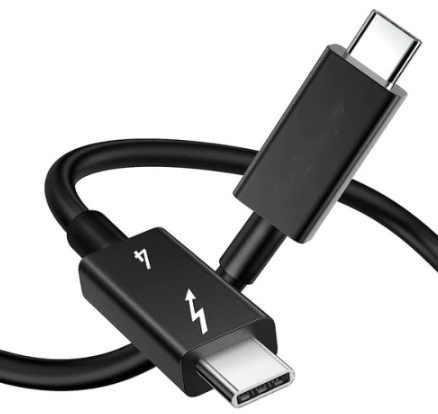
In modern digital life, USB technology is like an invisible link connecting various devices, supporting data transmission and device charging, and has become an indispensable existence. In-depth exploration of the development of USB technology and familiarity with its interface types can help you make better choices in device connection and use.
USB Technology Development History
Since the advent of the USB1.0 standard in 1996, USB technology has started a process of continuous innovation. Early USB1.0 and USB1.1 only provided basic data transmission functions with limited speed. In 2000, USB2.0 came out, and the data transmission rate jumped to 480Mbps, and device compatibility was greatly improved. In 2008, the emergence of USB3.0 brought ultra-high-speed transmission of 5Gbps. Since then, USB3.1 Gen1, Gen2 and USB3.2 Gen2x1, Gen2x2 have been continuously iterated, and bandwidth and performance have continued to increase. In the USB4 era, the transmission rate can reach up to 40Gbps. It also integrates Thunderbolt technology to achieve dynamic bandwidth allocation, further improving the efficiency and flexibility of device connection.
Full analysis of USB interface types
Data transmission port
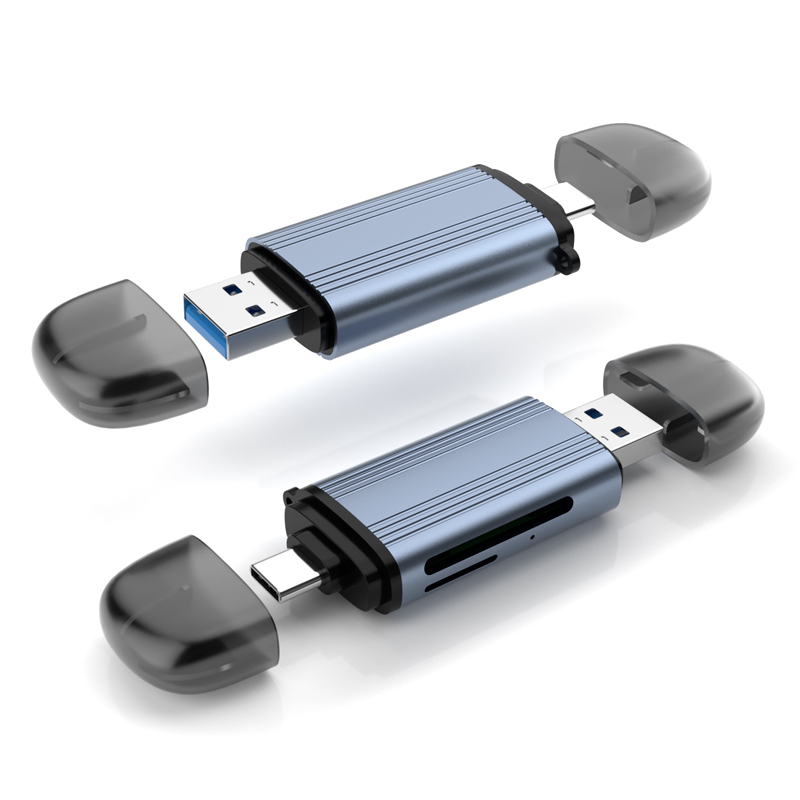
1. USB port: As the most common universal serial bus port, it is widely used in various devices and undertakes the important task of standard data transmission, such as connecting mice, keyboards, mobile hard drives, etc.
2. Memory card slot: It covers memory card slots such as SD (Secure Digital) and TF (TransFlash or microSD), which facilitates users to quickly read and write data in memory cards. It is often used for data interaction between devices such as cameras and tablets and computers.
3. Network port: used for wired network connection to ensure stable access to the Internet for devices, such as laptops using network ports to achieve high-speed network access.
Video output interface
1. VGA (Video Graphics Array): A classic ana-log video interface, widely used in early computer monitor connections, but now gradually replaced by digital interfaces.
2. HDMI (High Definition Multimedia Interface): It is widely used nowadays and can transmit uncompressed high-definition video and audio signals at the same time. It can be found everywhere in home TVs, projectors and computer monitors, bringing users a high-quality audio-visual experience.
3. DisplayPort: A digital display interface developed by VESA (Video Electronics Standards Association), which supports high-resolution and high-refresh rate display. It is favored in professional graphic design, video editing and other fields with high display requirements.
4. DVI (Digital Video Interface): Designed for high-quality video signal transmission, it is mainly used for connecting computers and monitors to provide clear images.
Power interface
Power delivery (PD): This specification allows devices to be charged quickly through the USB interface and can handle higher power. It is commonly found in laptops, mobile phones and other devices that support fast charging.
DC (Direct Current): Provides a continuous and stable power supply. Some devices that require an external power supply will be equipped with a DC interface.
Thunderbolt interface
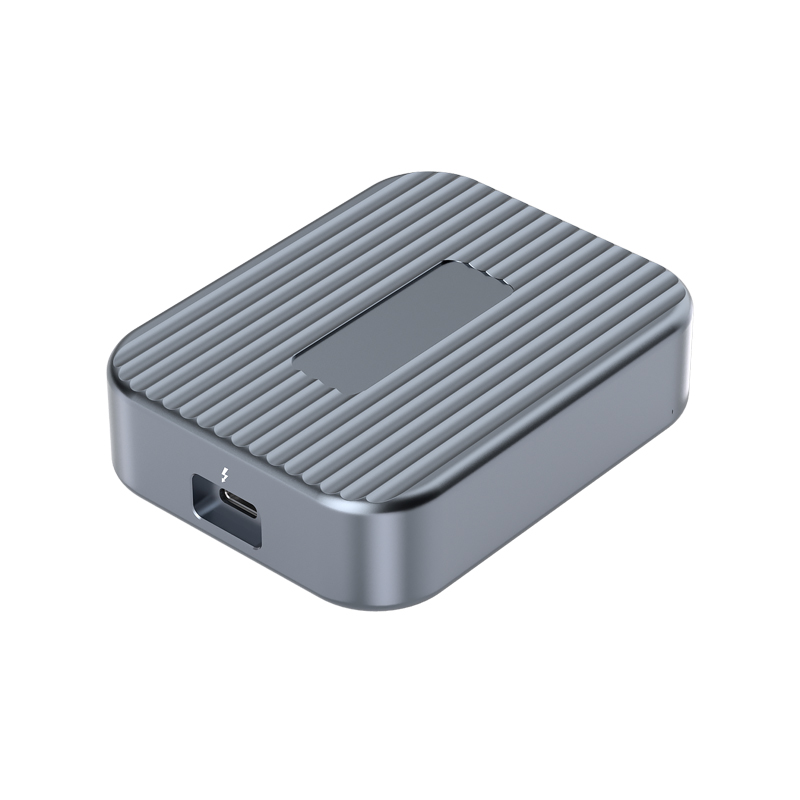
As a high-speed hardware interface, Thunderbolt interface is known for its excellent high-speed data transmission capability. It can easily connect external high-performance peripherals, such as high-performance graphics card expansion docks, to greatly expand computer functions.
Analysis of common USB-related issues
Comparison between HDMI and DP
HDMI has the advantage of large bandwidth and performs well in complex audio-visual transmission scenarios, especially in the field of home entertainment, such as connecting to a TV to play high-definition video and audio. DisplayPort, on the other hand, is more suitable for professional image and video processing work with its good support for high-resolution and high-refresh rate displays, meeting the stringent requirements of designers and video editors for picture quality and smoothness.
A deep understanding of the development of USB technology and the characteristics of various interfaces will help you make wise decisions that meet your needs when choosing equipment and building a work or entertainment environment, give full play to the performance of the equipment, and enjoy a convenient and efficient digital life.