With the rapid development of science and technology, USB products have been deeply integrated into our lives and work. Whether it is consumer-grade USB devices used in daily life or industrial-grade USB products used in the industrial field, they play an important role in their respective scenarios. But do you know that there are many key differences between the two, and these differences are not just designed to meet specific application requirements, but behind them are profound considerations of different usage environments and performance requirements. Choosing the wrong product is likely to cause a series of serious problems from equipment failure to budget overruns. Next, let's take a deep look at the differences between industrial and consumer-grade USB products.
I. Industrial-grade USB products: a rugged choice for harsh challenges
Industrial environments are often challenging, and harsh conditions such as high temperature, low temperature, high humidity, strong vibration, dust, and electromagnetic interference are common. In such an environment, industrial-grade USB hardware becomes the key to ensuring the stable operation of equipment. Take Purplelec as an example, it has a comprehensive and rigorous attitude towards the research and development of USB interfaces. Engineers, designers, integrators, and innovators work together to create high-quality products starting from the test laboratory, carefully carving every detail, and then returning to the laboratory for improvement and optimization. Finally, what is presented on the market is a durable and sophisticated industrial-grade USB product.
(I) Excellent build quality
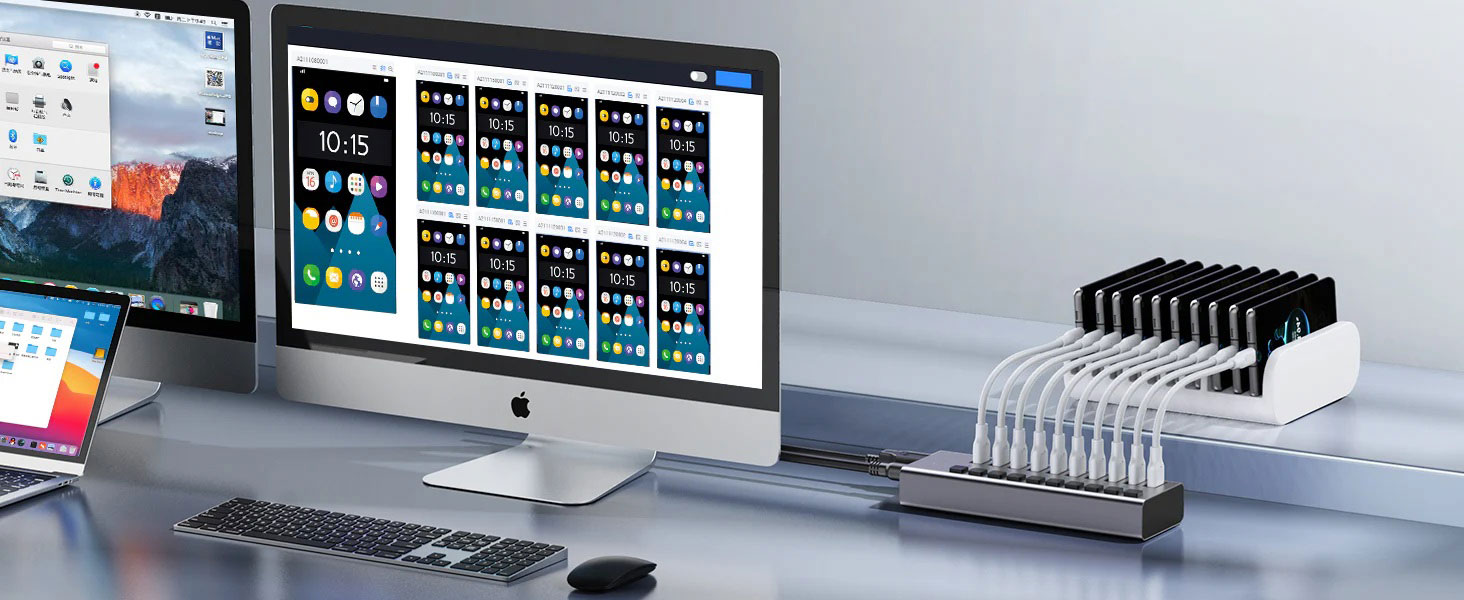
Build quality is the core concern of industrial-grade USB products. In high-shock and high-vibration environments, the various components of the device must be firmly connected to ensure normal operation. Purplelec always keeps the harsh realities and practical needs of the industrial environment in mind when designing and manufacturing USB hubs, chargers, serial devices, adapters, and cables. For example, its USB hub is wrapped in a durable metal shell, with reliable controllers, firmware, and flash memory chips integrated inside, which ensures the rugged quality of the product from the inside out, enabling it to work stably in harsh environments.
(II) High performance to cope with harsh pressure
Customers who need industrial-grade USB products usually have extremely high requirements for their performance to cope with the pressure brought by harsh industrial environments such as laboratories, warehouses, heavy machinery, and automation equipment. Purplelec constantly challenges itself and is committed to creating USB components that are stronger and more durable than consumer-grade USB. Its products are not only more sophisticated in material selection, but also far exceed consumer-grade products in terms of performance parameters. For example, industrial-grade USB connectors usually have a higher level of protection, which can effectively resist water and dust, and some products have a protection level of IP67 or even higher; in terms of temperature adaptability, they can work normally in a wide temperature range of -40℃ to 85℃; in terms of data transmission, they support higher transmission rates and have stronger anti-interference capabilities to ensure stable and accurate data transmission.
(III) Strict testing ensures reliability
Testing plays a vital role in the research and development of industrial-grade USB products. Purplelec will not rush to package and market after a simple switch test like some consumer-grade products. Instead, its products must undergo a long and rigorous testing process. During the production process, the products are continuously observed and improved. In the Purplelec laboratory, USB products are subject to extensive and in-depth testing, covering various extreme conditions, including high temperature, low temperature, high humidity, strong vibration, electromagnetic interference and other environmental simulation tests, as well as long-term plug-in and unplug tests, data transmission stability tests, etc. After such a rigorous testing process, Purplelec makes a commitment to the reliability of the product to ensure that it will not fail under extreme conditions.
(IV) Widely used in special scenarios
Industrial-grade USB products play an irreplaceable role in many special scenarios. In ambulances, medical equipment chargers need to work stably under the bumps, vibrations and complex electromagnetic environments during vehicle driving, providing reliable power support for medical equipment; GPS connections on fire trucks must ensure that location information can be accurately transmitted at fire scenes with high temperature, high humidity and strong electromagnetic interference; USB hubs used for heavy-duty robots must ensure stable and smooth data communication between robots and other devices in high-load, high-vibration industrial production environments. Purplelec manufactures highly reliable USB hardware for these people working in harsh environments. These hardware are equipped with ESD surge protection, wide temperature operating range and multiple installation options such as DIN rail, rack, surface or wall mounting at the factory to adapt to different installation needs and working environments.
(V) Strong compatibility and customization capabilities
Compatibility is critical for industrial-grade USB products. Customers often require USB products to meet their specific technical needs, work with other high-performance devices, and adapt to the huge ecosystem of traditional devices. Purplelec takes this into full consideration, and its products have strong compatibility, which can ensure that devices such as USB hubs are seamlessly integrated with devices in various industrial environments, protecting the devices and making them run stably.
In addition, in terms of power supply, industrial-grade USB hubs are significantly different from commercial USB hubs. Purplelec can design, manufacture and test USB hubs according to customer needs to meet almost any specification requirements. For example, if a customer needs to charge 50 high-current devices at the same time and requires built-in overload and surge protection, Purplelec can tailor the right product for the customer with its professional technical team and rich experience. From custom power solutions to designing exclusive integrated circuit chips to match USB Type-C power transmission output, Purplelec continues to innovate, and the industrial-grade USB hubs it designs are more powerful and flexible. For example, a USB Type-C power transmission output solution it developed was 60% smaller than other PoE to USB-C solutions on the market at the time, saving space while improving power transmission efficiency and stability. Faced with the engineering challenges brought by greater power requirements, Purplelec's entire laboratory revo-lves around building and testing USB hubs, dedicated to solving these problems in a variety of complex environments, and providing customers with better quality and more reliable industrial-grade USB products.
II. Consumer-grade USB products: meeting daily convenience needs
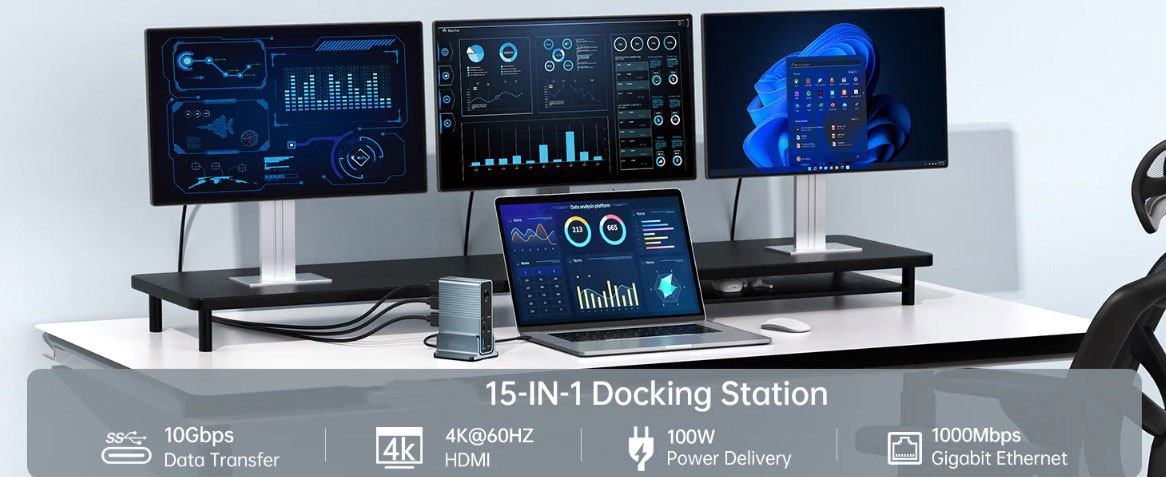
In sharp contrast to industrial-grade USB products are consumer-grade USB products. Consumer-grade USB products are mainly aimed at ordinary consumers and are used to meet general needs in daily life and office, such as data transmission, device charging, etc. In terms of design, consumer-grade USB products pay more attention to the stylish appearance, compactness and portability, and cost control. For example, common consumer-grade USB flash drives usually use plastic shells with various shapes and rich colors to cater to consumers' aesthetic needs. In terms of performance, although they can also meet the speed requirements of daily data transmission, they often seem to be unable to cope with the harsh conditions in industrial environments. The protection level of consumer-grade USB connectors is low, and they generally do not have waterproof and dustproof functions. In terms of temperature adaptability, the operating temperature range is relatively narrow, usually between 0℃ and 40℃. In terms of data transmission stability and anti-interference ability, consumer-grade USB products are also difficult to compare with industrial-grade products. However, consumer-grade USB products occupy an important position in the general consumer market with their price advantages and rich functions. For example, some consumer-grade USB hubs have multiple interfaces, which are convenient for users to connect multiple devices at the same time to meet the needs of daily office and entertainment; some consumer-grade USB chargers support fast charging technology, which can quickly charge mobile phones, tablets and other devices, bringing users a convenient use experience.
III. Summary: Choose according to needs and make the best use of each
There are significant differences between industrial-grade and consumer-grade USB products in terms of design concepts, performance, application scenarios, etc. Industrial-grade USB products have become a reliable choice for device connection and data transmission in the industrial field and other harsh environments with their excellent build quality, high performance, strict testing process, wide application scenarios, and strong compatibility and customization capabilities. Consumer-grade USB products, on the other hand, meet the general needs of ordinary consumers in daily life and office with their stylish appearance, convenient functions and affordable prices. When choosing USB products, users should carefully choose industrial-grade or consumer-grade products according to their actual needs and usage environment to ensure that the device can run stably and perform at its best. Whether it is industrial-grade or consumer-grade USB products, they play an important role in their respective fields, jointly promoting the advancement of science and technology and the improvement of people's quality of life.