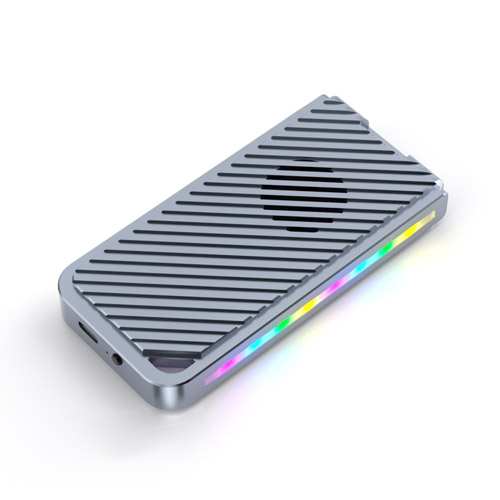
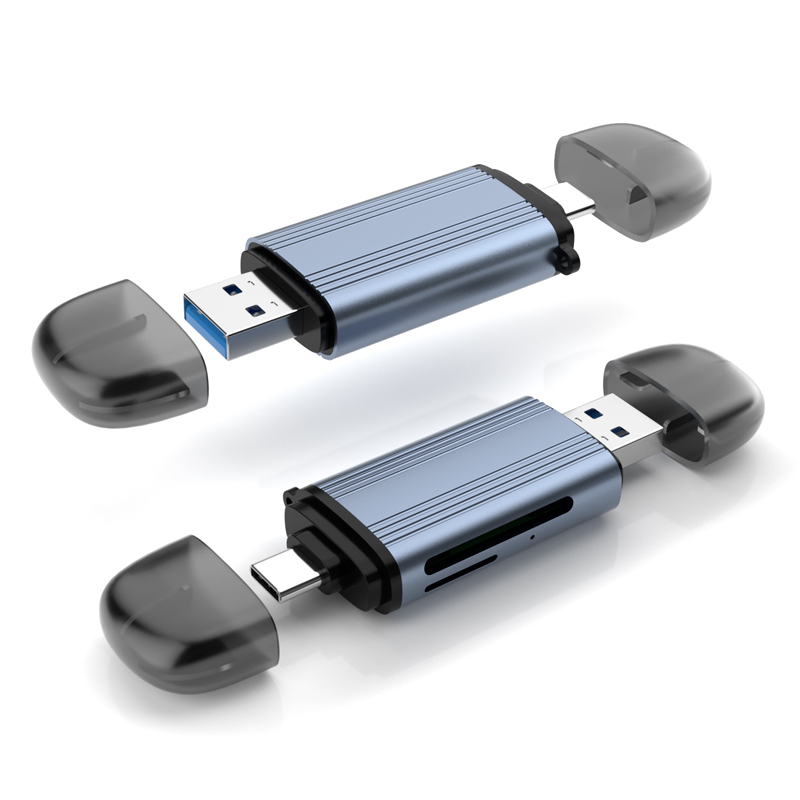
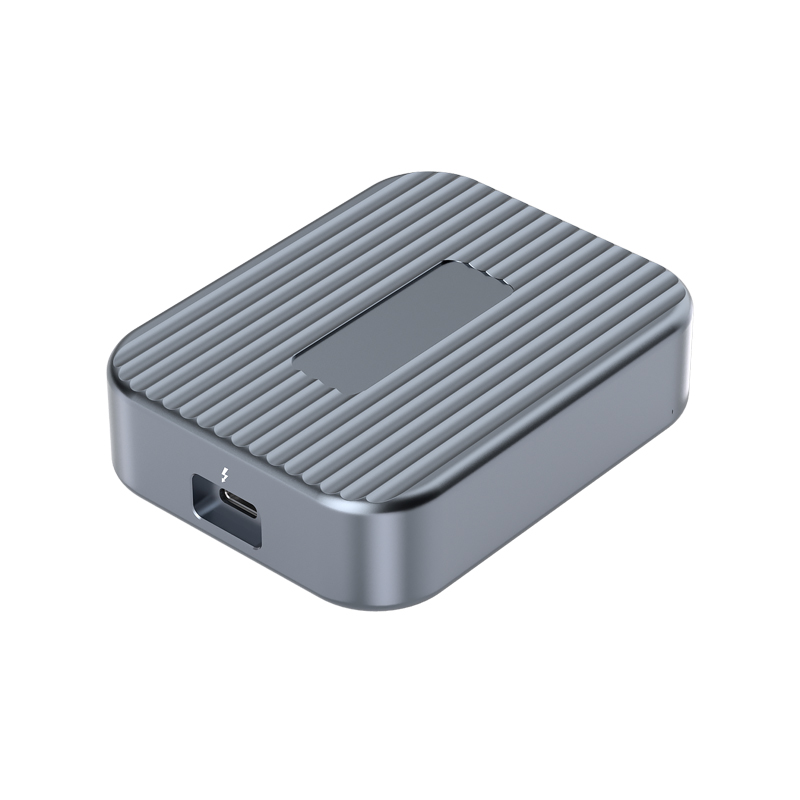
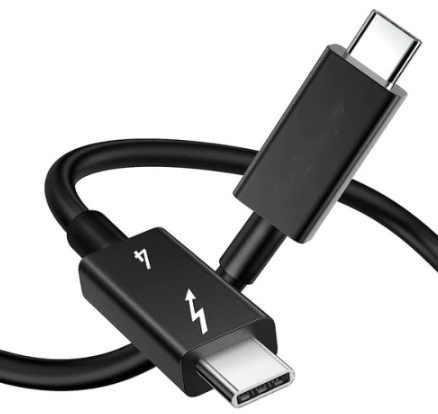
USB hubs are devices designed to expand the number of USB ports available on a computer or other host device. They allow multiple USB-enabled peripherals, such as keyboards, mice, printers, and external drives, to be connected simultaneously. USB hubs come in various configurations, including portable, compact versions for travel and more substantial, multi-port models suitable for desktop use.
By supporting different USB standards, these hubs ensure compatibility with a wide range of devices, making them an essential accessory for anyone needing to manage multiple USB connections efficiently. Whether for personal or professional use, USB hubs provide the flexibility and convenience required to optimize connectivity and enhance overall productivity.
How to fix an unrecognized USB hub?
When you encounter an unrecognized USB hub problem, you can try to fix it by following these steps:
1. Check the physical connection: Make sure the USB hub is properly and securely connected to the computer's USB port. If possible, try changing to a different USB port on the computer to rule out the original port failure.
2. Restart the device: First, disconnect the USB hub from all devices and restart the computer. After that, connect the USB hub alone to see if it can be recognized.
3. Check the hub power supply: If your USB hub has an external power supply, confirm that the power adapter is working properly and is properly connected. For devices that require additional power, make sure the hub can provide enough power.
4. Update the driver: Sometimes the problem can be caused by outdated or corrupted drivers. Visit the official website of the computer manufacturer to find and install the latest USB controller driver. Alternatively, find the USB hub device in the device manager and try to update the driver or uninstall and rescan for hardware changes to let the system automatically reinstall the driver.
5. Troubleshoot USB devices: In Windows, you can use Device Manager to identify potential problems. Open Device Manager and find the entry that represents the USB hub to check for error signs. If so, right-click and select Troubleshoot to allow the system to automatically detect and try to resolve the problem.
6. Test other devices: Connect a known working USB device directly to the computer to confirm that the computer's USB port is functioning properly. Then, connect the device through the hub to determine if the problem is with the hub itself.
7. Contact manufacturer support: If none of the above steps can solve the problem, the USB hub itself may be at fault. Consult the product manual and contact the manufacturer's technical support for further assistance or a possible replacement.