
I. Introduction
USB hubs expand the number of USB ports on computers, laptops, and other host devices. They make it easier to connect and manage peripherals such as keyboards, mice, external drives, and printers. When a hub stops working, isolate the host port, cable, power source, hub, and attached device one at a time. The checks below cover devices that are not recognized, slow transfers, intermittent disconnections, insufficient power, and overheating.
II. Basics of USB Hubs

2.1 Working Principle
A USB hub connects multiple USB devices to one upstream port on a host, such as a computer. Attached devices share the capabilities and available bandwidth of that upstream link. A fault can therefore come from the host port, hub, cable, power budget, or the peripheral itself.
2.2 Type Introduction
2.2.1 Active Hubs
These hubs require an external power source (usually via a wall adapter) to provide sufficient power for multiple connected devices, especially those with high power consumption, such as external hard drives.
2.2.2 Passive Hubs
Bus-powered hubs draw their operating power from the host port and suit low-power devices such as keyboards, mice, and flash drives. The host port and hub share a finite power budget, so high-draw storage devices or several devices at once may need a self-powered hub.
2.2.3 Data Transfer Speeds
USB data speed is determined by the negotiated USB data mode and by the slowest relevant part of the path: host port, hub, cable, and device. USB-C describes the connector, not a guaranteed transfer rate; a USB-C hub can operate at USB 2.0, 5 Gbps, 10 Gbps, or another supported USB data rate.
2.2.4 Connectivity
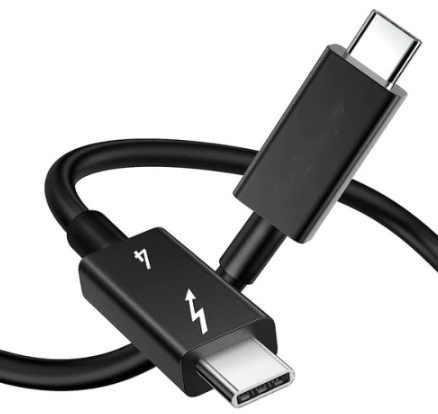
A hub's upstream connection may use USB-A or USB-C. A USB-C or Thunderbolt receptacle can also carry USB data, but the connection operates only at a mode supported by the host, hub, cable, and attached device.
III. Common USB Hub Problems and Solutions

| Symptom | First checks | Next action |
|---|---|---|
| Device is not recognized | One known-good low-power device, another hub port, and another host port | Test the same device directly on the computer, then reconnect the hub before other peripherals |
| Devices disconnect | Connected load, loose plugs, cable damage, and external power | Retest with one device and the model-specified power supply |
| Transfer is slow | Host, hub, cable, and device data modes plus simultaneous traffic | Compare one device through the hub and directly on the same host port |
| Hub becomes unusually hot | Airflow, attached load, power supply, and visible damage | Disconnect nonessential devices; unplug the hub if it stays hot when lightly loaded |
| Hub has no power | Known-good host port and the original external adapter, if supplied | Inspect for damage and use only a replacement specified for the hub model |
3.1 Devices Not Recognized or Connected
When the host does not recognize a device through the hub, first determine whether the failure follows the device, the hub port, or the host port. The common causes below can be tested without changing system settings.
USB Hub Malfunction: The hub itself may be malfunctioning due to physical damage or failure of internal components.
Insufficient Power: For active hubs, a power failure or insufficient power supply can cause devices to be unrecognized. Passive hubs may not be able to provide enough power for multiple devices, especially those with high power requirements.
Software or device-component issue: the operating system, host USB controller, or an attached device may need an official update. Standard USB hubs normally use operating-system drivers, so do not start by downloading a generic hub driver.
Port Problems: The USB ports on the host device or the hub may be damaged or malfunctioning.
Cable Problems: A damaged or faulty USB cable connecting the hub and the host device can disrupt the connection.
Troubleshooting Steps
First, check all connections. Ensure that all cables are firmly connected to the hub, the host device, and each peripheral device. Sometimes, the problem may simply be due to a loose connection. If everything seems to be connected properly, try using different USB ports on the hub and the host device.
Power-cycle the hub next. Disconnect it from the host and external power, if applicable, wait a few seconds, and reconnect the hub before its peripherals. Test the hub with one known-good device, then test that device directly on the computer. This separates a hub fault from a peripheral or host-port fault.
3.2 Slow Data Transfer Speed
A slow transfer usually means the path negotiated a slower data mode or several devices are sharing the upstream link. The effect is easiest to see during backups or large media transfers.
USB Hub Version: A USB 2.0 hub connected to a USB 3.0 port will limit the data transfer speed to the slower USB 2.0 standard.
Shared Bandwidth: Simultaneous transfers through one hub can reduce the speed available to each device because they use the same upstream link.
Cable Capability: A damaged cable or one rated for a lower USB data mode can reduce the negotiated transfer rate or cause retries.
Software Issue: Operating-system, host-controller, or storage-device updates can resolve a documented compatibility problem.
Interference: Electromagnetic interference from other devices can affect data transfer speeds.
Troubleshooting Steps
Check the rated data mode of the host port, hub, cable, and peripheral. The link falls back to the slowest supported part of that path. Test one storage device at a time and compare it when connected directly to the same host port. Upgrade only the component that limits the connection.
Disconnect idle devices before retesting so another transfer is not using the shared upstream link. If the result changes with a different known-good cable, replace the cable with one that supports the required data rate. Apply operating-system or device updates only from the OS vendor or hardware manufacturer.
3.3 Devices Disconnect Intermittently
Repeated disconnect-and-reconnect events can interrupt work and corrupt an active file transfer. Reduce the setup to the hub and one device, then add devices back one at a time to find the trigger.
Insufficient Power: Similar to the "device not recognized" problem, insufficient power in the hub can cause intermittent disconnections, especially when connecting demanding peripheral devices.
Hub Overload: Too many devices consuming power simultaneously can overload the hub, resulting in intermittent disconnections.
Software or Device-Component Issue: A documented host-controller, hub-chipset, or peripheral update may fix a known stability problem.
USB Port/Cable Malfunction: Damaged USB ports on the hub or the host device, or a faulty USB cable connecting them, can lead to an unstable connection.
Electromagnetic Interference: Interference from other electronic devices can disrupt the USB connection.
Troubleshooting Steps
To diagnose intermittent disconnections, disconnect high-draw devices and retest with one peripheral. If the hub has external power, verify that its supplied adapter is connected and undamaged. Use only a replacement that meets every input and connector requirement published for that hub model; do not choose an adapter by wattage alone.
If the problem remains, install relevant operating-system and device updates from official sources, then retest. Keep the hub and cable away from damaged power supplies or obvious interference sources. Do not disable USB selective suspend as a blanket first step; Microsoft recommends leaving it enabled.
Driver and firmware questions are covered separately in our USB-C hub driver and firmware guide.
For USB-C hubs with HDMI no-signal, display flicker, or Alt Mode compatibility symptoms, use the USB-C hub troubleshooting guide.
3.4 USB Hub Overheating
Excess heat can make a hub unstable and may damage components. Check airflow, connected load, and the power supply before continuing to use a hub that becomes unusually hot.
Insufficient Ventilation: Inadequate air circulation around the hub can cause it to overheat.
Hub Overload: Connecting too many power-hungry devices to the hub can generate excessive heat.
Faulty Components: Damaged internal components within the hub may cause it to overheat.
Troubleshooting Steps
Improve airflow first. Leave space around the hub, keep vents unobstructed, and do not stack other powered devices on it.
Disconnect nonessential devices and retest. If the hub still becomes unusually hot when lightly loaded, unplug it and contact the manufacturer instead of continuing to use it.
3.5 USB Hub Not Working at All
A completely unresponsive hub can be caused by loss of host power, a failed external supply, connector damage, liquid exposure, or an internal component failure.
Physical Damage: The hub may have suffered physical damage due to drops, impacts, or liquid spills.
Internal Component Failure: Key internal components may have failed due to aging, wear and tear, or power surges.
Power Failure: For active hubs, a power failure can cause it to stop working completely.
Troubleshooting Steps
Inspect the hub, cable, and connectors for cracks, bent pins, liquid residue, or other visible damage. For a self-powered hub, confirm the original power supply works and matches the model. Then test the hub on a known-good host port with one low-power device.
Use a reset control only if the manufacturer's instructions document one for that model. If the hub remains unresponsive, stop troubleshooting and contact the manufacturer about repair or replacement.
IV. Preventing Future USB Hub Problems
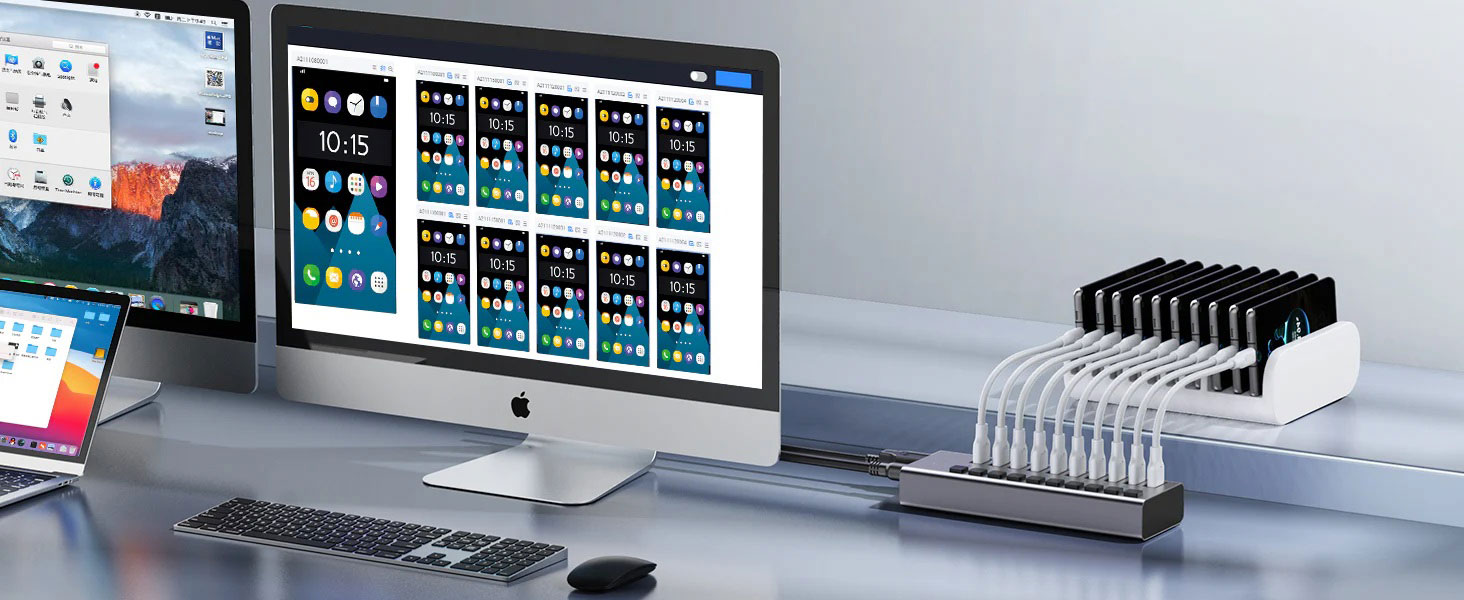
Many repeat USB hub faults come from excessive load, damaged cables, blocked airflow, or unsupported accessories. A few setup checks reduce those risks.
Avoid Overloading: Do not connect too many high-power devices to an unpowered or low-power hub. Pay attention to the power consumption of peripheral devices and distribute the load accordingly.
Use Suitable Cables: Choose cables that state the required USB data rate and fit the device. Replace cables with loose connectors, cuts, sharp kinks, or intermittent behavior.
Maintain Proper Ventilation: Place the hub in a well-ventilated area to prevent overheating. Avoid placing it in enclosed or narrow spaces that restrict air circulation.
Prevent Physical Damage: Handle the hub carefully and avoid exposing it to extreme temperatures, moisture, or impacts, as these can compromise its integrity.
Apply Relevant Updates: Keep the operating system and relevant device components updated from official sources. Standard USB hubs normally use operating-system drivers; install a manufacturer package only when the hardware documentation identifies a specific component or known issue.
V. Conclusion
USB hubs let one host port connect several peripherals, but every attached device still depends on the same host connection and shared resources. Start with one known-good device, then add the cable, hub, external power, and remaining peripherals back one at a time. This sequence separates recognition, bandwidth, power, and heat problems without changing unrelated system settings. If the hub stays unusually hot, shows physical damage, or remains unresponsive with the correct power supply, stop using it and contact the manufacturer.