When you eagerly plug in the HDMI cable, turn on the TV, and prepare to immerse yourself in your favorite movie, the frustration is palpable when the screen displays "No Signal." You start to wonder, why has your USB-C to HDMI adapter suddenly stopped working? Don't worry, let's uncover the problem step by step and find a solution, so you can regain the joy of watching movies.
USB-C Adapter: A Bridge Connecting Devices
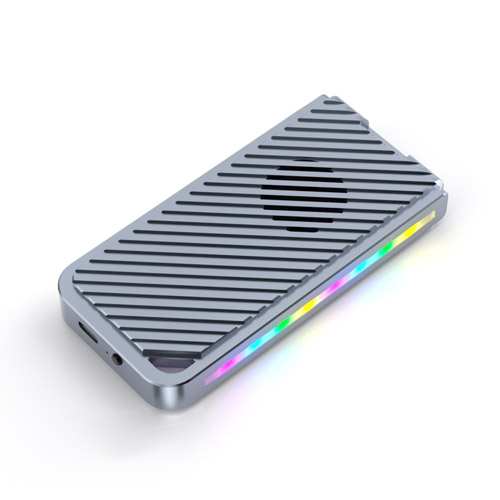
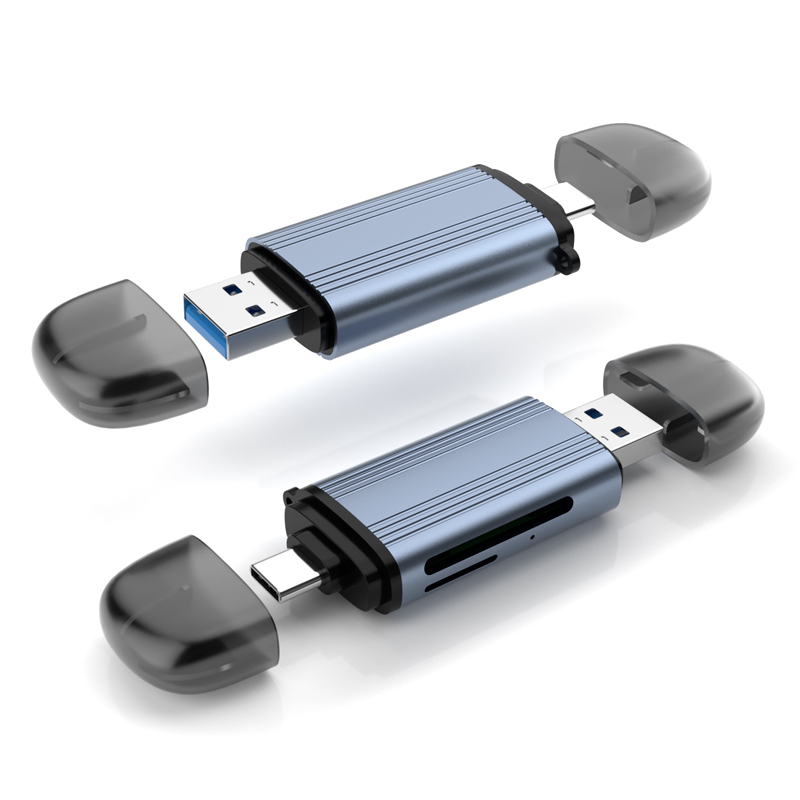
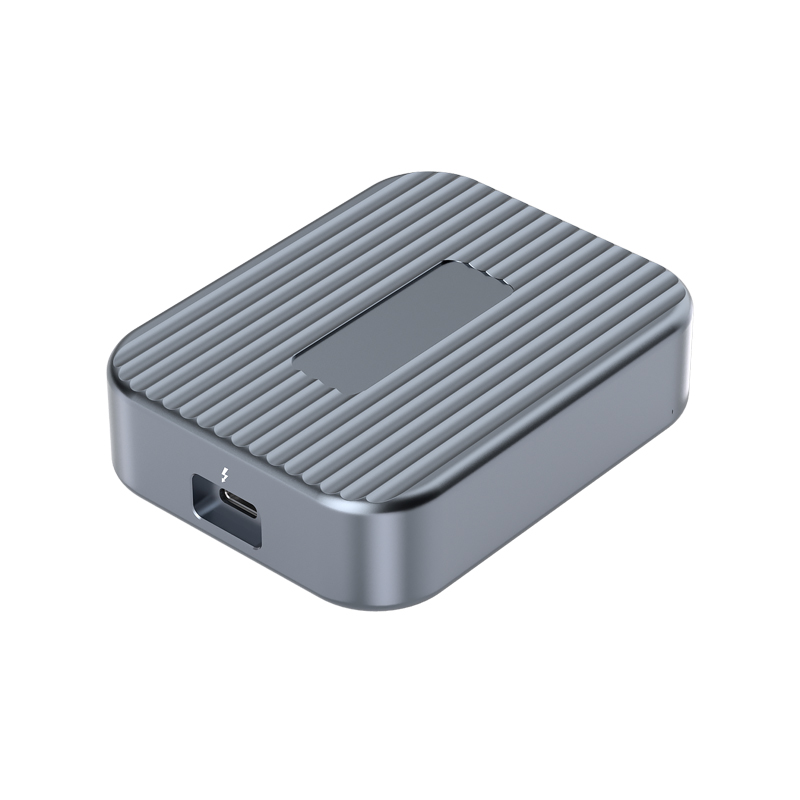
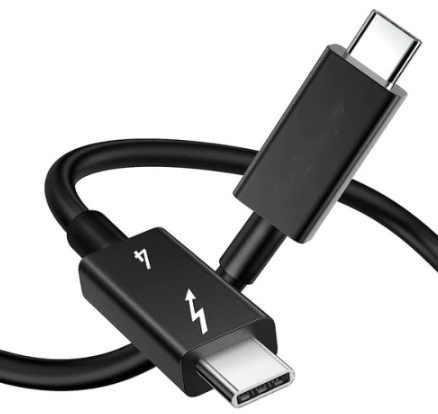
The USB-C adapter, a small yet powerful tool in modern technology, allows us to easily connect Android and Apple devices to other USB-C and Thunderbolt 3 devices. It not only enables efficient data transfer but also allows us to seamlessly project the screens of our phones, tablets, and other devices onto computers or displays, greatly enriching our user experience.
Update or Downgrade Windows System
When facing connection issues, the first step is to try updating or downgrading your Windows operating system. Through the "Settings" menu, under "Update & Security," you can easily manage system updates. If you need to downgrade, simply select "Recovery" and return to a previous Windows version; to upgrade, click "Check for updates" and install the latest version. After restarting your computer, the problem might be resolved.
Update Drivers
Incompatible drivers are another common cause of connection failures. Open "Device Manager," locate the USB device, and update its drivers. Although the system usually updates drivers automatically, occasional manual intervention may be necessary, especially for third-party USB-C to HDMI hubs.
Change USB Port
If the connection port is damaged, no matter how you try, the connection will not succeed. Try plugging the USB-C cable into another port or transferring the hardware from a desktop computer to a laptop. Additionally, running the built-in Windows troubleshooter can help you identify the problem and automatically repair or replace corrupted files.
Hardware Changes and Scanning
If the issue persists, you may need to manually scan for hardware changes. In "Device Manager," select the "Action" tab and click "Scan for hardware changes" to let Windows redetect the USB to HDMI adapter. Although this is not a universal solution, it can sometimes bring unexpected results.
Purchase a New HDMI Hub
If after multiple attempts the problem remains unresolved, it might be an issue with the adapter itself. At this point, purchasing a new HDMI hub might be the most straightforward and effective solution. Search online for the HDMI adapter that best suits your device and bring the connection back to life.
Solutions for Specific Devices
Samsung S8: Try restarting both your phone and the device after establishing the connection to eliminate compatibility issues. Also, ensure that you first connect the adapter to the phone and then the HDMI cable, avoiding simultaneous connection of the power and HDMI cables, which can cause recognition problems. Additionally, the quality of the cable cannot be overlooked; choose a cable capable of transmitting 1080p or higher signals.
Raspberry Pi Computer: The USB Type-C interface of the Raspberry Pi has special configuration channels. If you use a cable marked with E-Marker, you may encounter power imbalance issues. In this case, you can try avoiding E-Marker cables or manually connecting the USB C port to a Micro HDMI cable using resistors (but note that this may damage the integrity of the port).
By following these steps, I believe you can identify and resolve the issues with your USB-C to HDMI connection, and once again enjoy the pleasure of high-definition movie watching.