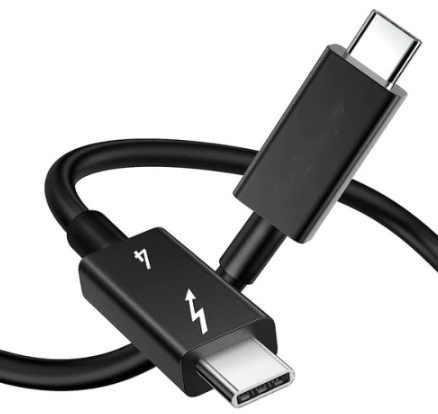
If you want to connect your laptop, computer, or mobile device to a smart TV, monitor, or projector, a USB-C to HDMI adapter is essential. However, selecting the right adapter can be tricky—you’ll need to navigate different USB-C connector types and HDMI standards!
A USB-C to HDMI adapter is a cable or dongle that connects a USB-C device (e.g., laptop, smartphone) to an HDMI-compatible display (e.g., TV, monitor). Ideal for home entertainment, it lets you stream content from your device to a larger screen. When choosing an adapter, consider:
HDMI Version Compatibility: Ensure your display supports the HDMI version of the adapter (e.g., HDMI 2.0 for 4K@60Hz).
Active vs. Passive Adapters: Active adapters convert signals and support higher resolutions, while passive adapters work only with devices that natively output HDMI signals via USB-C.
How to Choose the Best USB-C to HDMI Cable for Your Needs
Finding the right cable for your home entertainment setup requires careful consideration:
Compatibility First
Verify that the cable supports your device’s USB-C port (e.g., Thunderbolt 3/4 compatibility).
Check your display’s HDMI input version to avoid resolution bottlenecks.
Cable Length Matters
Measure the distance between your device and display to avoid short cables.
Longer cables (e.g., 6–15 feet) may require active signal boosting for stable 4K output.
Special Features for Convenience
Look for cables with built-in adapters (e.g., USB-C hubs with HDMI ports) or reinforced connectors for durability.
Some cables include charging ports or Ethernet support for multifunctional use.
Pros and Cons of USB-C to HDMI Adapters
Before purchasing, weigh these advantages and drawbacks:
| Advantages |
Disadvantages |
| Plug-and-Play Simplicity |
Higher Cost: More expensive than alternatives like Mini DisplayPort-to-HDMI. |
| No Extra Cables Needed |
Hardware Compatibility: Not all USB-C devices support HDMI video output. |
| Supports High Resolutions (Up to 4K@60Hz) |
Limited to HDMI: Doesn’t support DisplayPort or VGA without additional adapters. |
How to Set Up Your USB-C to HDMI Adapter
Follow these steps to connect your device:
Connect the Adapter
Plug the HDMI end into your TV or monitor’s HDMI port.
Connect the USB-C end to your device (e.g., laptop, tablet).
Switch Input Sources
If no display appears, press the “Source” or “Input” button on your TV/monitor remote to cycle through HDMI inputs.
Troubleshooting
Restart your device if the screen remains blank.
Ensure your device’s display settings are configured to mirror or extend to the external screen.
Conclusion: The Ideal USB-C to HDMI Solution for Home Use
Not all USB-to-HDMI converters are created equal. After research, we recommend a durable, 4K-ready USB-C to HDMI cable that balances affordability, ease of use, and reliability. Whether you’re streaming movies, gaming, or presenting, this cable ensures seamless connectivity between your USB-C device and any HDMI display. Plus, its warranty and robust build make it a long-term investment for your home entertainment setup.