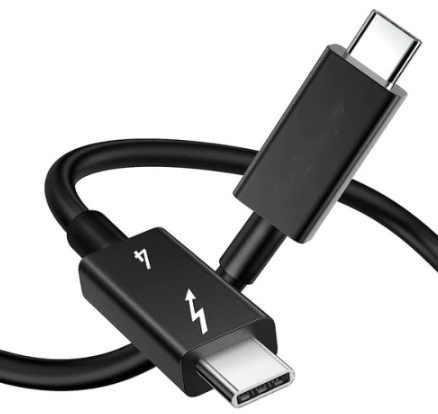
The tech world is a realm of constant wonder, where new inventions and improvements emerge endlessly. The beauty of these improvements lies in their ability to solve one or more human challenges. However, some of these advancements can be a bit perplexing for ordinary users. For instance, individuals with Hard Disk Drives (HDDs) might find themselves puzzled when trying to distinguish Solid State Drives (SSDs). That's precisely why we're dedicating this blog post to discussing USB-C SSD expansion docks.
I. Basic Understanding of SSDs
Similar to Hard Disk Drives, Solid State Drives are devices used for storing and accessing data. Before the advent and continuous improvement of Solid State Drives, traditional Mechanical Hard Disks (HDDs) were the go-to choice for data storage. This article will not only briefly review these advancements but also delve into the working principles of USB-C Solid State Drives and the considerations to keep in mind before making a purchase. If you're contemplating buying a top-notch USB-C Solid State Drive, this article is tailored just for you.
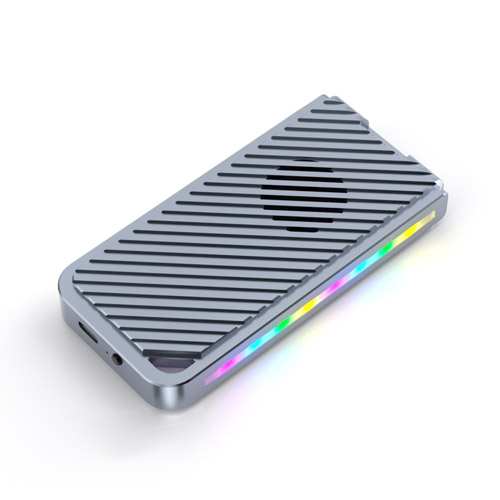
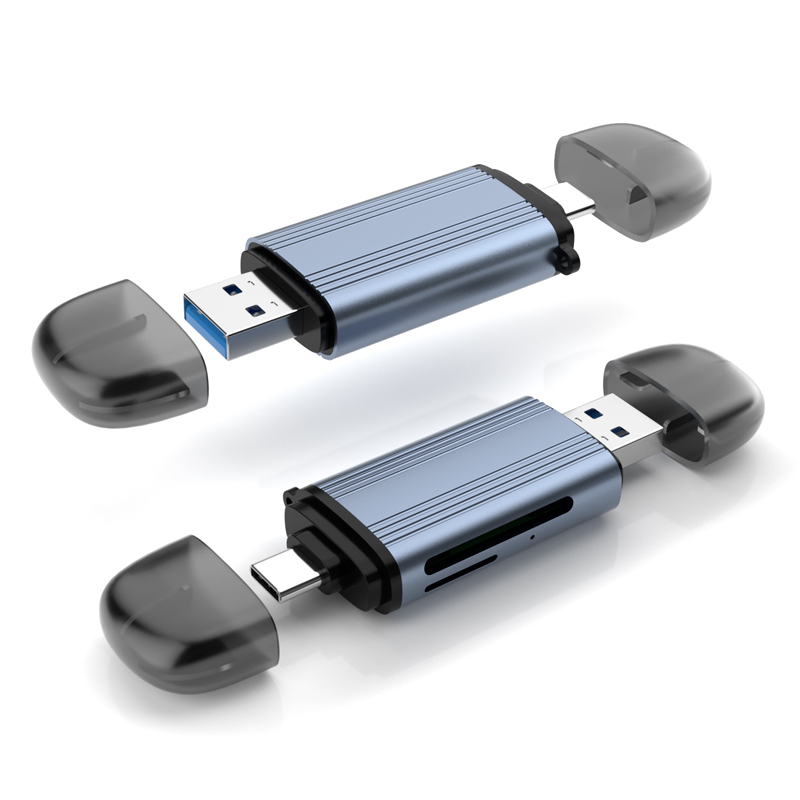
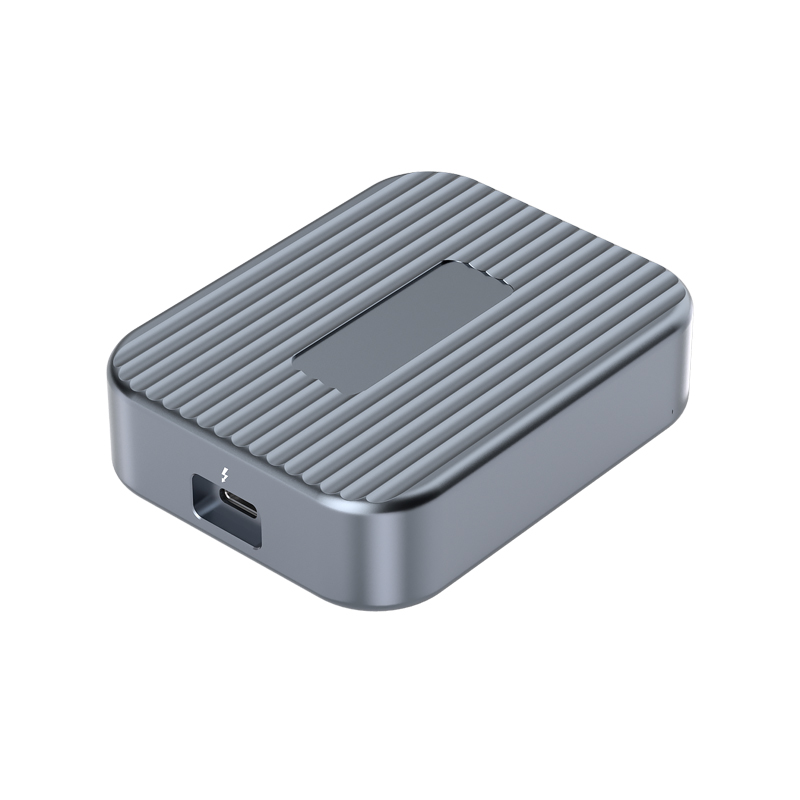
You may have heard of USB-C SSD enclosures, but what exactly are they? Let's take a quick look. A USB-C SSD enclosure is an external storage device that utilizes memory chips to store data. SSDs employ flash memory to electronically store data, enabling USB-C SSD enclosures to offer blazing-fast data storage and retrieval speeds.
This high-speed capability not only prevents issues like computer crashes during use but can also enhance your computer's performance. Moreover, USB-C SSD enclosures are significantly lighter than HDD enclosures. So, if you're in the market for an external storage device, a compact and lightweight SSD is worth considering. Here are some key differences between SSD and HDD enclosures:
Technological Generation: HDDs represent older technology, while SSDs are the modern replacement.
Price: HDDs are generally more affordable, whereas SSDs come with a higher price tag.
Data Retrieval Speed: Data retrieval on HDDs is relatively slow, while SSDs offer near-instantaneous access.
Lifespan: SSDs typically have a longer lifespan than HDDs.
Reliability: SSDs are more reliable as they lack the rotating components found in HDDs that control data storage and transmission.
II. How Does an External SSD Enclosure with USB-C Work?
As mentioned earlier, SSDs leverage updated technology for superior and faster operation. They use integrated circuit chips to store information, which contributes to their lightweight, compact, and highly reliable nature. Additionally, SSDs utilize non-volatile memory known as flash memory, which determines their access speed, allowing them to retrieve data in nanoseconds.
Nowadays, many devices are designed with USB-C interfaces. Consequently, SSD enclosures equipped with USB-C ports can connect to PCs more effortlessly without the need for adapters. Their operation is similar to that of other external storage devices. Once connected to a PC via a USB-C port, you can access the external storage and save files to it under "My Computer."
If your computer uses a Solid State Drive and you're considering purchasing an external SSD enclosure, we recommend opting for a higher-capacity SSD. A technician can assist you in installing the larger-capacity SSD onto your computer, and then you can repurpose your existing SSD as an external enclosure.
III. Factors to Consider When Buying a USB-C SSD Enclosure
Due to advancements in modern technology, SSDs have become more reliable, but this reliability comes at a cost—they're relatively expensive. Therefore, it's crucial to consider two key factors before purchasing an SSD.
(1) Purpose
Before buying a USB-C SSD enclosure, it's essential to understand your intended use and determine whether it justifies the purchase. While SSDs do offer faster data storage, if the data you plan to store is simple and intended for long-term backup, an HDD might be a more cost-effective option. On the other hand, if you're buying an SSD to run an operating system or other large program files, a USB-C SSD enclosure is the way to go due to its superior speed and performance.
(2) Durability
HDDs rely on rotating metal disks to store and read data, making them susceptible to wear and tear. This reduces their durability compared to SSDs. However, it's worth noting that data recovery on HDDs is generally easier, whereas recovering data from an SSD can be more challenging.
IV. Top Picks for SSD USB-C Enclosures
With a plethora of USB-C SSD enclosures available on the market, choosing the right one can be overwhelming. To save you time, we've compiled a list of the six best USB-C SSD enclosures:
1、5-inch Amazon Basics: Boasts a 2Terabyte capacity, 10Gbs transfer speed, and features a USB 3.0/SATA interface.
2、2.5-inch Purplelec: Affordable yet durable, with a 1Terabyte capacity, 10Gbps transfer speed, and a USB C interface.
3、Lightweight USB 3.0 SSK Aluminum M.2: Offers 1Terabyte of storage and a 10Gb transfer speed.
4、Acasis USB C/Thunderbolt 3/4 Cable SSD Enclosure: Comes with 1Tb of storage and a 10Gbps transfer speed.
5、5TB ASUS ROG Strix SSD: Features a 10Gbps transfer speed and a USB C interface.
6、5 TB USB 3.1 One-Touch Switch ADATA ED600: Offers a 10Gbps transfer speed.
V. Conclusion
By now, we hope your questions about USB-C SSD enclosures have been answered. We've discussed what USB-C SSD enclosures are, how they differ from HDDs, their specific functions, and why you should consider buying one.
Before purchasing an SSD, it's advisable to check the compatible interface types on your PC. If you're buying an SSD with a Thunderbolt 3/4/USB C interface, ensure your PC supports these interfaces. In summary, following the guidelines outlined in this article should make buying a USB-C SSD expansion dock a breeze.