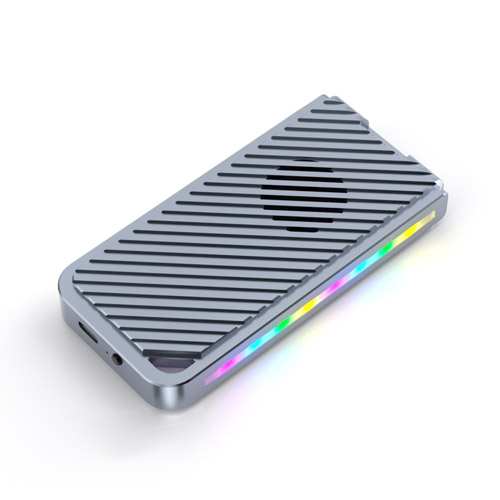
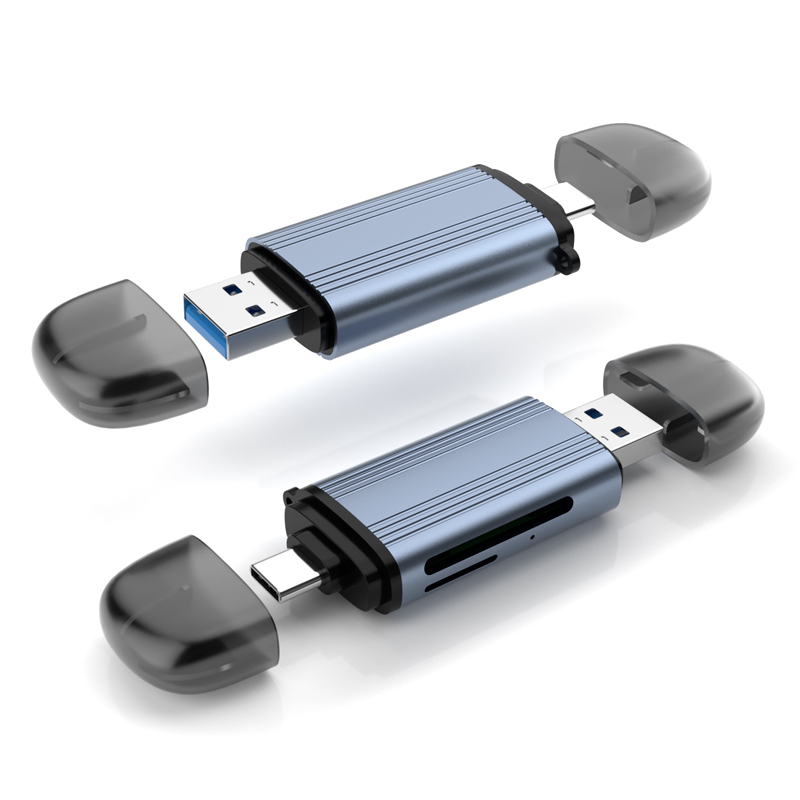
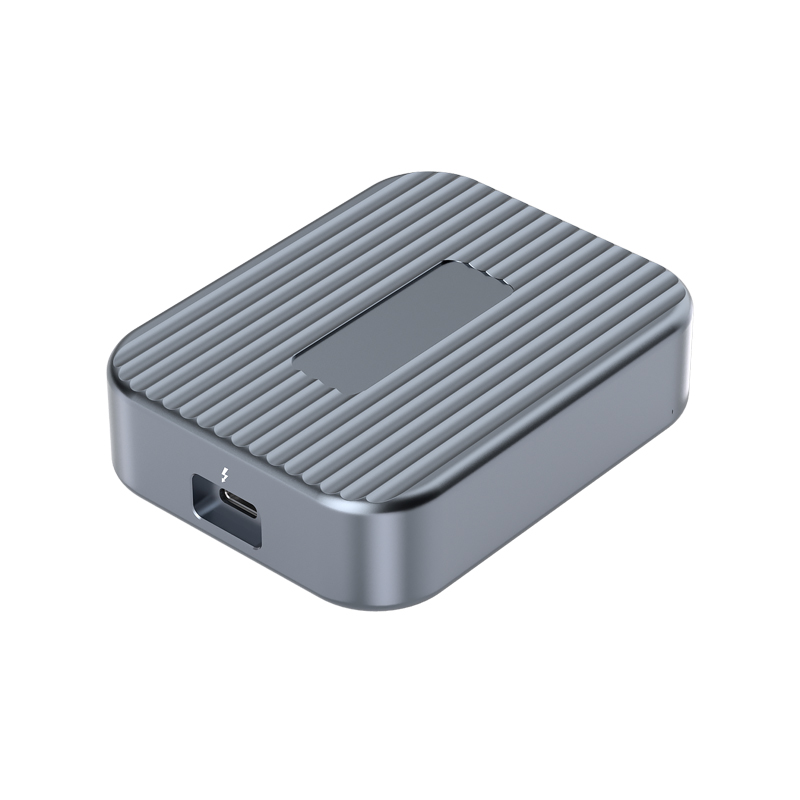
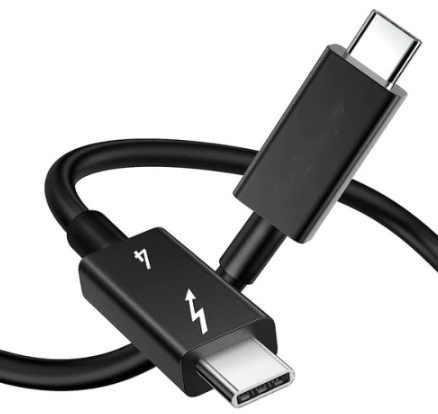
Does your laptop come with a USB C port? If so, is it a three-in-one convertible tablet or a substitute for a personal desktop computer? For computer novices, both answers might seem plausible. However, when it comes to actually connecting devices and you find yourself at a loss, frustration may set in. Don't worry; we're here to offer you a solution.
What is a USB-C Dock?
With each iteration of laptop upgrades, they've become increasingly slimmer and lighter. This sleek design is widely praised for enhancing portability. Yet, there's a downside to this trend: fewer ports on the device, limiting users' connectivity options.
Take the MacBook, for instance. It only offers two C ports and one audio output port. When one USB C port is used for charging, users are left with just one port for entertainment and multimedia use. This becomes problematic when users want to connect an external display that lacks a USB-C output port, such as HDMI. In such scenarios, having multiple USB C ports becomes crucial.
That's where a USB C dock comes in handy. It provides multiple USB C ports, enabling smoother connectivity. These ports support HDMI, USB A, and other functionalities. You can also use them for SD, micro-SD, and AUX jacks to enjoy high-quality audio and video. Whether for media display, laptop charging, or numerous other purposes, a USB C dock has got you covered.
Types of USB-C Docks
Docks are hardware expansions added to the main device. Typical examples include external storage drives, liquid coolers, and GPUs, each offering specific functionalities.
C-Type Port Replicator Base: Functions similarly to a cable. As a bus-powered device, you can use it to connect SD cards, audio jacks, and peripherals.
Splitter Dock: Features the same ports as the host device, along with additional ports of different types.
OEM/Proprietary Base: Offers multiple connection options through a single port. No external power supply is needed, and it's designed for specific laptop models.
Universal C-Type Dock: Provides extra connections for the host device. You can use it to charge external devices and operate displays. Plus, these docks are incredibly easy to install.
Drone Dock: Comprises a C-type dock, a drone, and a laptop management system. It allows you to operate devices remotely, enjoying more efficient automated operations.
Uses of USB-C Docks
Do you need a USB C dock? Here are some suggested use cases:
Data Transfer: A USB C dock enables you to quickly transfer data such as graphic designs, videos, and images from one terminal to another, significantly boosting your productivity.
Laptop Charging: As a single-port solution for laptop charging, the power pass-through feature of a USB C dock allows you to perform other tasks while charging. Easily disconnecting the charger and hub won't cause mechanical damage.
Media Output Display: In office settings, a USB C dock is essential for connecting laptops that lack HDMI ports to external displays. The best results depend on the display, internal components, and the type of dock used.
These are just a few of the many uses for USB C docks. Available in various shapes and sizes, they cater to both personal and professional services. With a diverse range of ports, you can connect peripherals or speakers to create a positive working environment.
Specifications:
·Input Type C xl(Connect to host)
·1xType C(PD3.0 with max 100W
·2xHDMI(Max4K@60Hz
·1xVGA(Max 1080@60Hz)
·1xRJ45 Gigabit Ethernet,10M/100M/1000M
·1xAudio(3.5 mm Audio&Mic)
·1xType C 3.2(Max 5Gbps data transmission)
·1xUSB A 2.0(Max 480Mbps data transmission)
·2xUSB A 3.0 (Max 5Gbps data transmission)
·1xTF/Micro SD 3.0(Up to 104Mb/s)
·1xSD/MMC 3.0(Up to 104Mb/s)
How to Choose the Right USB-C Base for You?
Connector Type: When deciding which USB C dock to buy, the first thing to consider is the connector type. The port supports both wired and wireless connections. If you opt for wireless, cables won't cause interference.
Number of Ports: You need to determine how many ports your USB C dock requires. Standard connected devices include keyboards and hard drives. However, we recommend purchasing a dock with more ports for long-term use.
Port Types: The third factor is the type of ports used for file transfer or video playback. A USB C dock comes with numerous ports, such as USB, VGA, and HDMI. It will also include USB C and A charging ports, as well as an Ethernet port.
Compatibility: Compatibility is also a crucial factor. You certainly don't want to buy a USB C dock that's incompatible with your laptop. Therefore, carefully read the product page, conduct market analysis, and contact customer service to find the best option.
Portability: Although USB C docks aren't primarily designed for portability (they're usually bulkier and heavier), users should also be aware of their sturdy and durable nature, ensuring stable and reliable operation during use.