Key takeaway: A multiport USB-C hub with HDMI output, UHS-II card reading, and PD fast charging eliminates the single-port bottleneck — keeping your mobile workstation powered, connected, and ready during every shoot.
Every filmmaker knows the pressure of fading golden-hour light. When you are on location with a tablet or ultrabook, time spent troubleshooting cables is time stolen from your creative vision. The compact design of modern mobile devices is both their greatest strength and their most frustrating limitation. A deliberate accessory strategy — anchored by a reliable multiport USB-C hub — turns a single connection point into a complete mobile production workstation.

The Single-Port Problem for Mobile Content Creators
Devices such as the iPad Pro and MacBook Air deliver remarkable processing power in a thin chassis, yet many ship with only one or two ports. On a busy set, this creates an immediate conflict: plug in an SD card reader to ingest footage and you lose your only charging connection. Attach a field monitor via USB-C and data transfer stops entirely.
A purpose-built multiport USB-C hub solves this conflict by multiplying that single connection into simultaneous video output, high-speed data transfer, and power delivery — all through one cable.
Choosing the Right Multiport USB-C Hub: Technical Specifications That Matter
Not every USB-C hub is equal. Before committing to one for professional field work, evaluate these core specifications:
| Spec | What to Look For | Why It Matters on Set |
| HDMI Standard | HDMI 2.0 or higher | Supports 4K at 60 Hz with HDR and wide color gamut for accurate field monitoring |
| Card Reader Speed | UHS-II SD slot | Doubles transfer bandwidth vs. standard UHS-I, cutting ingest time on large Log video files |
| Power Delivery | 87 W PD pass-through | Keeps a MacBook Pro charged at full performance during simultaneous rendering and transfer |
| Build Material | Aluminum alloy shell | Dissipates heat from sustained 4K output and heavy data indexing, preventing throttling |
| USB-A / USB-C Ports | At least 2 additional data ports | Enables simultaneous backup to an external SSD while the card is still mounted |
4K Field Monitoring Through Your USB-C Hub
A multiport USB-C hub with a dedicated HDMI port allows you to mirror your editing interface onto a high-brightness field monitor without disconnecting your SD card or charger. This is critical during client review sessions: instead of crowding around a 13-inch laptop screen, your director, client, and gaffer can all evaluate sharpness, exposure, and motion blur on a full-size display.
For smooth playback, ensure the hub supports at least 60 Hz output at 4K resolution. Lower refresh rates make 60 fps footage appear choppy, making it impossible to judge motion accurately. A stable signal — one that does not flicker when you reposition the monitor arm — is equally important. Aluminum-shell hubs generally outperform plastic ones here because superior heat dissipation prevents thermal throttling that causes signal drops.
Accelerating UHS-II Footage Ingest with a USB-C Hub
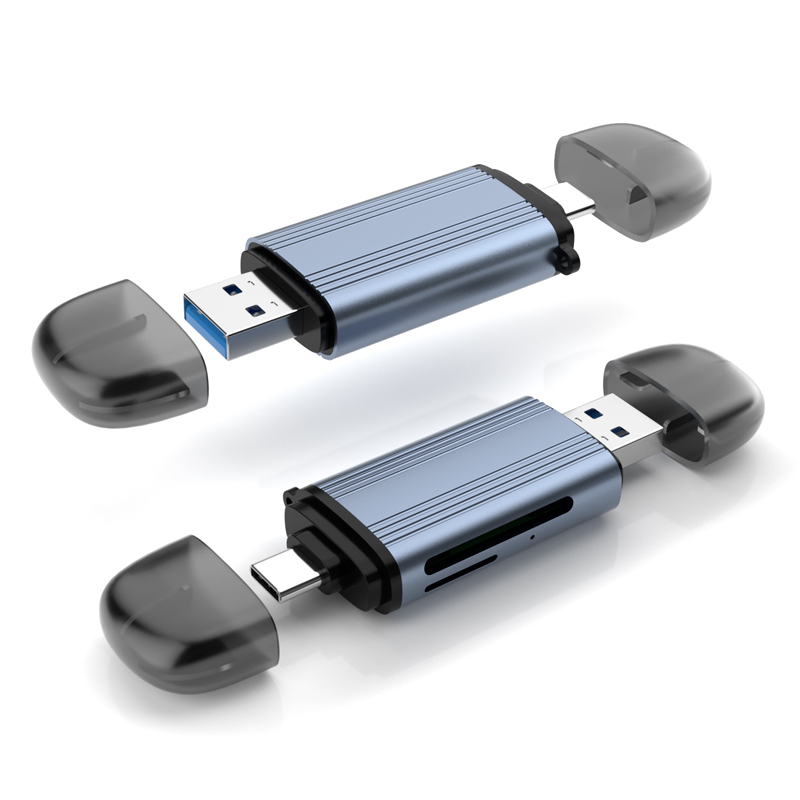
Modern mirrorless and cinema cameras record in Log profiles — flat, high-bitrate files that preserve maximum dynamic range for color grading. These files are large. A USB-C hub with a UHS-II SD card slot reads data through a second row of electrical pins on the card, dramatically increasing throughput compared to standard UHS-I readers.
The practical benefits on a fast-paced production day include:
• Faster copy sessions that generate less heat inside the hub, protecting card and file integrity
• The ability to play back Log footage directly from the mounted card for quick selects, without waiting for a full file copy
• Simultaneous backup to an external SSD through an additional USB-A or USB-C data port, creating redundant copies before you leave the location
PD Fast Charging: Keeping Your Laptop Alive During Heavy Workloads
Power Delivery (PD) is the protocol that enables a single USB-C cable to carry both data signals and substantial electrical power. A high-quality multiport USB-C hub routes PD from your wall adapter or portable battery bank directly to your laptop while keeping all other ports fully active.
This pass-through charging architecture is essential when the hub is simultaneously managing 4K HDMI output, SD card data transfer, and SSD backup — all tasks that raise the processor load and drain the battery faster. With 87 W PD pass-through, a MacBook Pro can receive enough power to maintain peak performance indefinitely, removing the anxiety of watching a battery percentage drop mid-ingest.
Heat Management and Long-Term Reliability
Sustained professional workflows push accessory hardware to its limits. When a hub overheats, it reduces internal clock speeds — a process called thermal throttling — to protect its chipset. In practical terms, throttling means your HDMI signal may flicker, your card transfer slows to a crawl, or the hub disconnects entirely at the worst possible moment.
An aluminum enclosure acts as a passive heat sink, drawing warmth away from internal components and dissipating it into the surrounding air. This design choice directly impacts reliability during three-hour tethered shoots or overnight batch transfers. When evaluating a multiport USB-C hub, treat the build material as a performance specification, not just an aesthetic one.
Organizing Your Field Kit Around a USB-C Hub
The hub is only as useful as the cables and accessories that connect to it. A few organizational habits extend the life of your equipment and reduce troubleshooting on set:
• Store the hub in a padded microfiber pouch to protect its USB-C connector and HDMI port from dust and impact damage
• Use short, braided cables (15–30 cm) rather than long slack cables that apply constant stress to the hub's ports
• Attach a small label to the hub so it is instantly identifiable in a dark gear bag
• Carry a backup hub on production days where downtime is unacceptable
• Use hook-and-loop (Velcro) ties instead of zip ties for cable management — they are reusable and gentler on cable insulation
Building a Complete Mobile Production Workstation
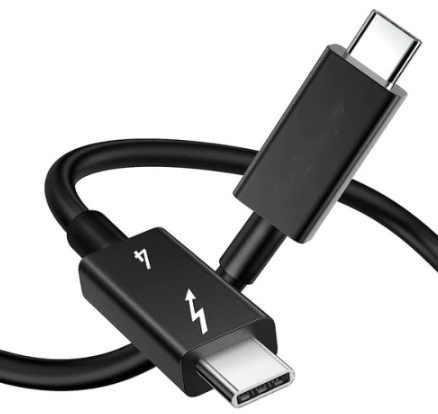
A multiport USB-C hub unifies the three pillars of an on-location digital workflow: visual verification through a large external display, fast and reliable data ingest from camera media, and uninterrupted power delivery to the host device. Together, these capabilities transform a single Thunderbolt or USB4 port into a production-grade connectivity hub that rivals a traditional desktop setup.
When evaluating options, prioritize hubs that combine HDMI 2.0 (or higher) output, a dedicated UHS-II SD slot, and PD pass-through of at least 87 W — all inside an aluminum chassis. This combination addresses the most common on-set failure points in one compact, cable-friendly package.
Frequently Asked Questions
Q1: What should I look for in a multiport USB-C hub for 4K video monitoring?
Prioritize HDMI 2.0 support (minimum), which enables 4K output at 60 Hz with HDR color data. Pair this with sufficient bandwidth allocation so that the HDMI channel does not compete with your SD card transfer. An aluminum build ensures the hub stays cool during extended monitoring sessions. Verify compatibility with your specific device, as Thunderbolt 4 hosts generally support more simultaneous operations than USB 3.2 hosts.
Q2: Can I charge my laptop through a multiport USB-C hub while using HDMI and reading an SD card simultaneously?
Yes — provided the hub includes a dedicated PD pass-through port rated at 87 W or higher for MacBook Pro-class devices (60 W is adequate for MacBook Air and iPad Pro). The PD port accepts your original charger or a compatible USB-C power adapter and routes electricity to the laptop while all data and video ports remain fully active.
Q3: Why does my HDMI output flicker when I start transferring files from an SD card?
Flickering typically indicates that the hub's internal controller cannot allocate sufficient bandwidth to both the HDMI signal and the SD card interface simultaneously. Budget hubs share a single internal bus between all ports, forcing each operation to compete for the same limited bandwidth. A professional-grade multiport USB-C hub uses dedicated controllers for video output and data transfer, eliminating this conflict. Overheating can also trigger signal drops — an aluminum enclosure mitigates this risk.
Q4: Does passing video through a USB-C hub degrade color accuracy?
A quality hub transmits the HDMI signal digitally without altering the color data. However, the hub must support HDMI 2.0 (or later) to pass HDR metadata and wide color gamut information intact. If your hub only supports HDMI 1.4, it may strip HDR flags and limit the output to Rec. 709 color space, which would compromise your ability to evaluate Log footage accurately during a field review.
Q5: Is a USB-C hub the same as a Thunderbolt dock?
No — though the connectors look identical. Thunderbolt 4 docks use Intel's proprietary protocol and offer up to 40 Gbps of bandwidth, supporting dual 4K displays and faster NVMe SSD access. USB-C hubs operate over USB 3.2 or USB4, with lower bandwidth ceilings. For most on-location workflows involving a single 4K display and UHS-II card transfer, a high-quality USB-C multiport hub delivers sufficient performance at a lower cost. If you need dual 6K monitors or daisy-chained Thunderbolt storage, a Thunderbolt dock is the better investment.