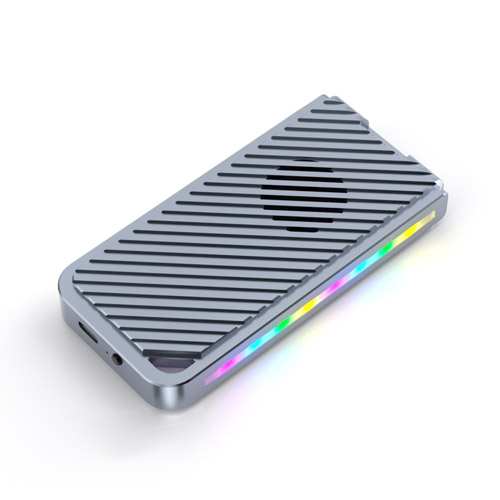
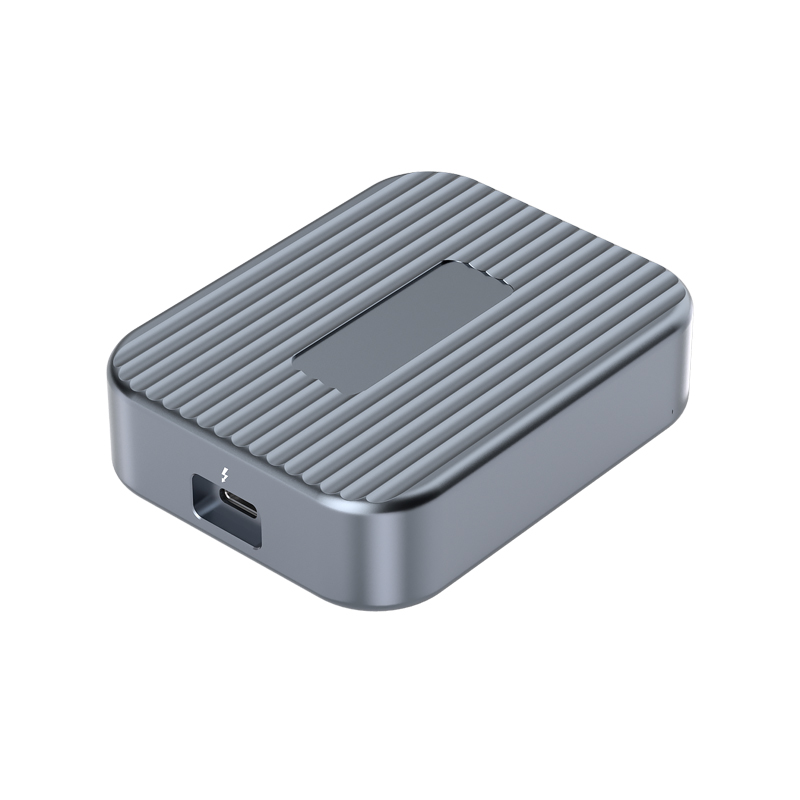
As NVMe SSD performance continues to improve, the question of whether these solid-state drives require additional cooling has become more common. The answer isn’t a simple “yes” or “no.” Some SSDs can operate without additional cooling, while others—especially high-performance models—might benefit significantly from heatsinks or better airflow, depending on their workload and system setup.
In this guide, we’ll explore how heat affects SSD performance, when it’s worth adding extra cooling, and how to effectively manage temperature in various systems.
I. Do Solid State Drives Need Extra Cooling? How Thermal Throttling Works
Most NVMe SSDs are designed to safely operate within a specific temperature range (usually up to 70°C). Therefore, they don’t always require extra cooling. However, when temperatures rise too high, thermal throttling is activated. This is a protection mechanism that automatically reduces data transfer speeds to prevent overheating.
Thermal throttling doesn’t damage the drive, but it can significantly reduce performance, especially during prolonged or high-load tasks. Once the SSD cools down to a safe temperature, speeds return to normal.
On the other hand, SATA SSDs generally run at much lower temperatures and don’t require specialized cooling, even without heatsinks or fans.
II. How to Prevent Thermal Throttling in NVMe SSDs?
1. Optimize Case Airflow
Good airflow can help lower internal temperatures, keeping your SSD cool without direct contact cooling.
Here’s what to consider:
System Placement: Ensure the PC is placed on a hard, flat surface, and there’s plenty of room around the intake vents to avoid obstructing airflow.
Fan Types: Static pressure fans are ideal for limited intake spaces (such as behind dust filters or tight mesh), while high airflow fans work best in open exhaust areas (like the back or top of the case).
Positive Pressure: Keep the intake airflow slightly higher than the exhaust to minimize dust entry and help keep the SSD area cool.
Case Design: A case with a mesh front panel and unobstructed intake paths will typically cool better than a closed design. Periodically clean filters and vents to prevent dust buildup, which can restrict airflow.
Additional Cooling: For high-performance systems or setups with multiple SSDs, air or water cooling can provide effective heat dissipation, ensuring stable temperatures under heavy load.
If your PC is making excessive fan noise, or if the system frequently crashes or shuts down automatically, it could be due to poor airflow. Optimizing the intake and exhaust balance can stabilize temperatures.
2. Avoid Airflow Blockages
Even if fans are positioned correctly, airflow will still suffer if components are blocking air circulation. Common culprits include:
Cable Management: Route cables behind the motherboard tray to keep the area around the M.2 slot clear, reducing heat buildup.
GPU Proximity: Large GPUs create hot spots, especially above the top PCIe slots. If your M.2 slots are near these areas, use the slot with the most clearance from the GPU and the best airflow.
Dust Filters: Clean dust filters regularly to maintain airflow efficiency.
3. Using Passive Cooling (Heatsinks and Thermal Pads)
When relying on fans alone isn’t enough, passive heatsinks can help dissipate heat from the SSD’s controller and NAND chips, preventing or delaying thermal throttling under heavy load.
Here’s what to look for:
Motherboard Heatsinks vs. Third-Party Products: Many newer motherboards come with built-in M.2 NVMe heatsinks, which work well if installed correctly. If using third-party heatsinks, check that there’s sufficient clearance between the GPU and case side panel.
Thermal Pad Thickness: Use the thermal pads that come with the heatsink kit, and ensure they’re in full, even contact with the SSD chips. Too thick a pad reduces pressure, and too thin can cause poor contact.
Installation Pressure: Tighten the screws evenly—over-tightening can bend the PCB, while loose screws can lead to poor cooling performance.
4. Keep Your System Clean
Dust can hinder airflow and increase internal temperatures, so regular maintenance is crucial.
Here’s a cleaning schedule:
Clean filters every 4-8 weeks (more often if the room is dusty or you have pets).
Deep clean the case and fans every 3-6 months.
Use soft brushes and low-pressure air to remove dust.
Make sure the filters are fully dry before reinstalling.
5. Monitor Your SSD’s Temperature
Monitoring your SSD’s temperature is one of the best ways to verify the effectiveness of your cooling measures and detect potential issues before performance is affected.
Most modern SSDs come with SMART temperature sensors. You can use manufacturer-provided software (e.g., Kingston SSD Manager) or general system monitoring tools to check the real-time temperature and health status of the drive.
While many gaming-grade SSDs can handle continuous temperatures of up to 70°C, idle temperatures will typically be lower. Pay close attention to how the drive behaves under load. Run workload tests like transferring large files or playing games and monitor the temperature for 10-15 minutes. Ideally, the temperature should stabilize, not continuously rise into thermal throttling territory.
III. Active Cooling: When is It Necessary?
Active cooling refers to adding dedicated fans or even water cooling systems to your SSD setup. While not required for everyone, it is beneficial in certain cases:
1. Multiple NVMe SSDs running simultaneously
2. Heavy storage tasks (large file transfers, 4K editing, extended gaming sessions)
3. High ambient temperatures
4. Water-cooling systems with minimal case airflow
Early PCIe Gen5 NVMe drives can heat up quickly and require large heatsinks to maintain stable performance. However, newer models with advanced controllers (e.g., the 6nm SM2508) produce less heat and can run without bulky heatsinks in everyday use. Still, a motherboard’s built-in NVMe heatsink can help sustain peak performance during extended gaming or professional workloads.
IV. Do Different Devices Require SSD Cooling?
● Laptops
Most laptops are designed to keep internal SSDs within safe temperature limits without additional cooling. However, high-performance NVMe SSDs in ultra-thin or compact laptops can still overheat during heavy tasks like gaming or video editing. In such cases, instead of large heatsinks, consider:
Using a cooling pad
Ensuring proper ventilation
Opting for SSDs with built-in thin heatsinks
● PlayStation 5
The situation is slightly different for PlayStation 5.
PS5 supports PCIe Gen4 NVMe upgrades but has strict size limitations. Moreover, it requires adequate cooling. Sony recommends using SSDs with pre-installed heatsinks, such as the Kingston FURY Renegade NVMe M.2. Without proper cooling, prolonged gaming sessions could trigger performance throttling. So, for PS5, a heatsink-equipped SSD is essential.