In the ever - evolving landscape of digital work and entertainment, connecting dual monitors to a laptop docking station has become a popular choice for enhancing work efficiency, expanding your workspace, and enabling seamless multitasking. Whether you are a professional pursuing a large-screen work experience, a player craving an immersive gaming experience, or an ordinary user who simply wants to enjoy the convenience of multiple monitors, a dual-monitor laptop configuration can bring a significant experience upgrade. Below, we'll provide a detailed introduction on how to connect dual monitors to a laptop docking station and share some practical tips.
I. Understanding the Core Components for Preparation
Before starting the connection process, it's essential to understand the core components involved to ensure hardware compatibility.
Laptop: Check whether your laptop supports external monitors and has the necessary ports. You can refer to the product manual or check the specifications on the official website to confirm if it meets the requirements for connecting dual monitors.
Docking Station: As a crucial hub for connecting a laptop to multiple peripherals, the docking station needs to support multiple monitors. Before purchasing or using it, carefully read the docking station manual to understand its features and port capabilities.
Monitors: Prepare two monitors and the corresponding connection cables, commonly including HDMI, DisplayPort, etc.
II. Step - by - Step Connection: Easily Set Up a Dual - Monitor System
(I) Check Compatibility
First, confirm whether your laptop and docking station support a multi - monitor setup. Most modern laptops and docking stations, such as those from Alogic, are capable of supporting dual monitors. However, it's still necessary to carefully review the laptop specifications and the docking station manual to avoid compatibility issues.
(II) Connect the Docking Station to the Laptop
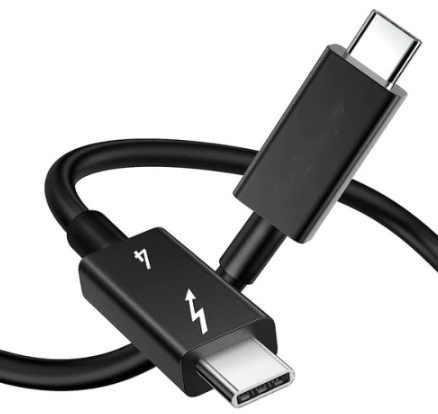
Use an appropriate cable, usually a USB - C or Thunderbolt cable, to connect the docking station to the laptop. If the docking station requires external power, make sure it's plugged in and turned on properly.
(III) Connect the Monitors to the Docking Station
Select the appropriate connection cable according to the available ports on the docking station and the monitors:
HDMI: When both the docking station and the monitors support HDMI, directly connect them with an HDMI cable. If the docking station has only one HDMI port but you need to connect two monitors, you may need to use an HDMI splitter.
DisplayPort: If the docking station has a DisplayPort interface, simply connect the DisplayPort cable from the monitor to the docking station.
VGA: For some older monitors, if the docking station supports the VGA interface, you can use a VGA cable for connection.
Specifications:·Input Type C xl(Connect to host)·1xType C(PD3.0 with max 100W·2xHDMI(Max4K@60Hz·1xVGA(Max 1080@60Hz)·1xRJ45 Gigabit Ethernet,10M/100M/1000M·1xAudio(3.5 mm Audio&Mic)·1xType C 3.2(Max 5Gbps data transmission)·1xUSB A 2.0(Max 480Mbps data transmission)·2xUSB A 3.0 (Max 5Gbps data transmission·1xTF/Micro SD 3.0(Up to 104Mb/s)·1xSD/MMC 3.0(Up to 104Mb/s)·Aluminum housing+ABS
(IV) Configure Display Settings
After completing the hardware connection, you also need to configure the display settings on your laptop:
Windows System: Right - click on the desktop and select "Display settings"; in the "Multiple displays" section, select "Extend these displays" to set the two monitors as an extended desktop; adjust the display order by dragging and dropping the monitor icons to match their actual positions.
Apple System: Open "System Preferences" and select "Displays"; click on the "Arrangement" tab; drag the display icons to match the physical setup. If you want to duplicate the screen content, check the "Mirror Displays" box.
III. Optimize Settings for an Enhanced Experience
Resolution and Orien-tation Adjustment: To achieve clear and sharp visuals, set both monitors to their optimal resolution. If needed, you can also adjust the orien-tation of the monitors, for example, set one monitor to portrait mode.
Scientific Monitor Placement: Place the monitors according to ergonomic principles to reduce physical strain. It is recommended that the top of the monitor be level with or slightly below eye level to maintain a comfortable viewing and operating angle.
Proper Docking Station Placement: Position the docking station in a convenient location to avoid cable clutter and facilitate easy access to ports for plugging and unplugging devices.
Effective Cable Management: Use cable ties or clips to organize the cables, keeping your workspace tidy and preventing cable tangles.
IV. Common Issues and Quick Solutions
(I) No Signal on Monitors
Check Connections: Carefully check whether all cables are firmly connected to ensure there are no loose or poor - contact situations.
Confirm Input Source: Check whether the monitors are set to the correct input source, such as HDMI, DisplayPort, etc., to avoid signal loss due to an incorrect input source.
Update Graphics Drivers: Ensure that the graphics drivers of your laptop are up - to - date. You can download and install the latest drivers from the device manufacturer's official website.
(II) Monitors Not Detected
Restart Devices: Sometimes, a simple restart can solve detection problems. Try restarting the laptop, docking station, and monitors, and then reconnect them.
Re - configure Display Settings: Access the display settings again and click the "Detect" button to force the system to recognize the monitors.
Update Docking Station Firmware: Check if there are any available firmware updates for the docking station and update it in a timely manner to fix potential compatibility issues.
By following the above steps, you can easily connect dual monitors to your laptop docking station and fully enjoy the efficiency and convenience brought by the multi - monitor setup. Whether you're using an Alogic docking station or products from other brands, the basic principles are largely the same. As long as you conduct thorough compatibility checks, connect the devices correctly, and configure the display settings properly, you can create an ideal and efficient workspace. Take action now and let the dual monitors bring a brand - new experience to your work and entertainment!