Regularly cleaning your gaming PC is a critical step in maintaining hardware stability and extending the overall lifespan of the system. This article provides a comprehensive operation process, from case dust removal to system streamlining, which is recommended to be performed every three to six months.
Dust is one of the most hidden threats to a gaming PC. Regardless of the frequency of use, the internal airflow pathways of the host will continuously accumulate dust particles during daily operation. When dust accumulation reaches a certain level, cooling efficiency decreases, causing the operating temperatures of the processor and graphics card to rise. In mild cases, this triggers thermal throttling and affects framerate stability; in severe cases, it accelerates component aging and shortens the actual lifespan of the entire machine.

In addition to hardware-level dust issues, storage redundancy and system fragmentation will also drag down the PC's response speed. It is recommended to integrate physical cleaning and software organization into a unified maintenance cycle, performing a comprehensive inspection every three to six months to keep the system in optimal operating condition at all times.
I. Physical Dust Removal for Gaming PCs: Operating Steps and Precautions
Before starting any hardware cleaning, you must completely power off the host and disconnect all external power connections, including power cords and monitor cables. Operating with power poses a risk of electrostatic damage to components; this step cannot be omitted.
1.1 Choose a Suitable Operating Environment
It is recommended to move the host outdoors or to a well-ventilated room before dusting. Operating in an enclosed environment will cause the cleaned dust particles to resuspend and settle back into the case, significantly reducing the cleaning effectiveness.

1.2 Exterior Case Cleaning
The top and bottom of the case are usually the areas with the most severe dust accumulation, as these two locations directly catch settling particles and ground dust. Use a well-wrung damp cloth to wipe the exterior surface evenly, focusing on the intake and exhaust grilles and the area around the bottom feet.
1.3 Internal Case Dust Removal
The preferred tool for internal cleaning is canned compressed air. After removing the side panel or front panel of the case, use short bursts to blow out dust filters, radiator fins, and fan blades. Large dust particles deposited at the bottom of the case can be wiped away with a clean, lint-free cloth, or, with cautious operation, handled using a low-suction vacuum cleaner with a narrow nozzle.
If you have the ability to disassemble components, it is recommended to remove all expansion cards and storage drives prior to cleaning. Blow out each slot and mounting bay individually with compressed air to ensure the thorough removal of dust hidden behind the components.
1.4 Optimization Steps Before Reassembly
After completing the dust removal and before reinstalling the components, it is recommended to reorganize the cable management inside the case. Neat cabling not only improves overall airflow but also reduces the probability of cables blocking cooling paths. In addition, depending on the situation, configure a positive pressure fan setup for the case—a positive pressure environment where the intake volume is slightly greater than the exhaust volume helps slow down the accumulation rate of dust during subsequent use.
II. Gaming PC System Organization: Storage Cleanup and Software Streamlining
After the hardware cleaning is completed, synchronously organizing the operating system and storage space is an important supplementary step to restore the comprehensive performance of the PC.
2.1 Clear Redundant Files and Data
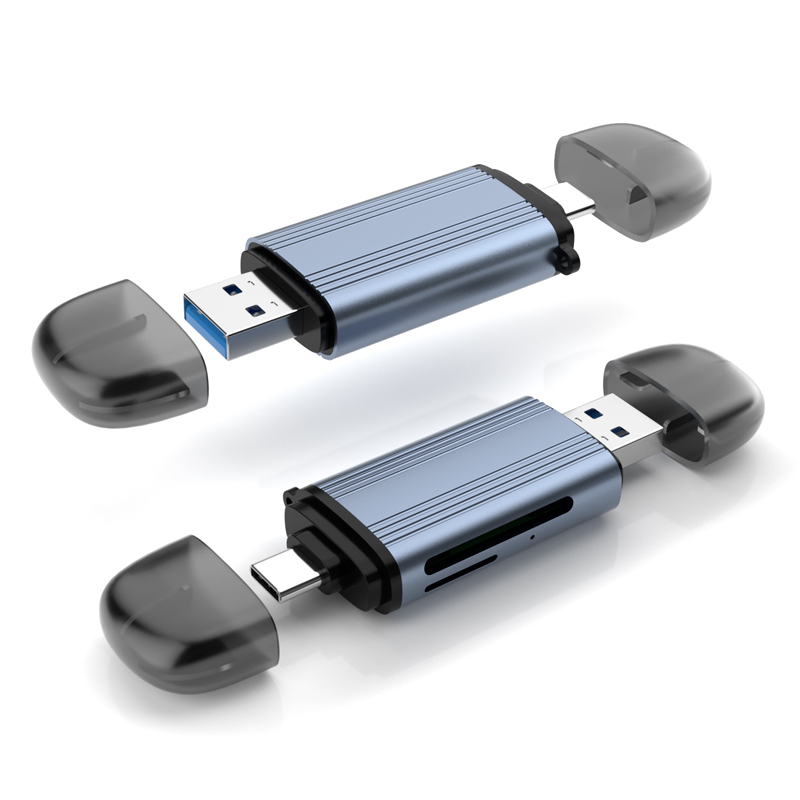
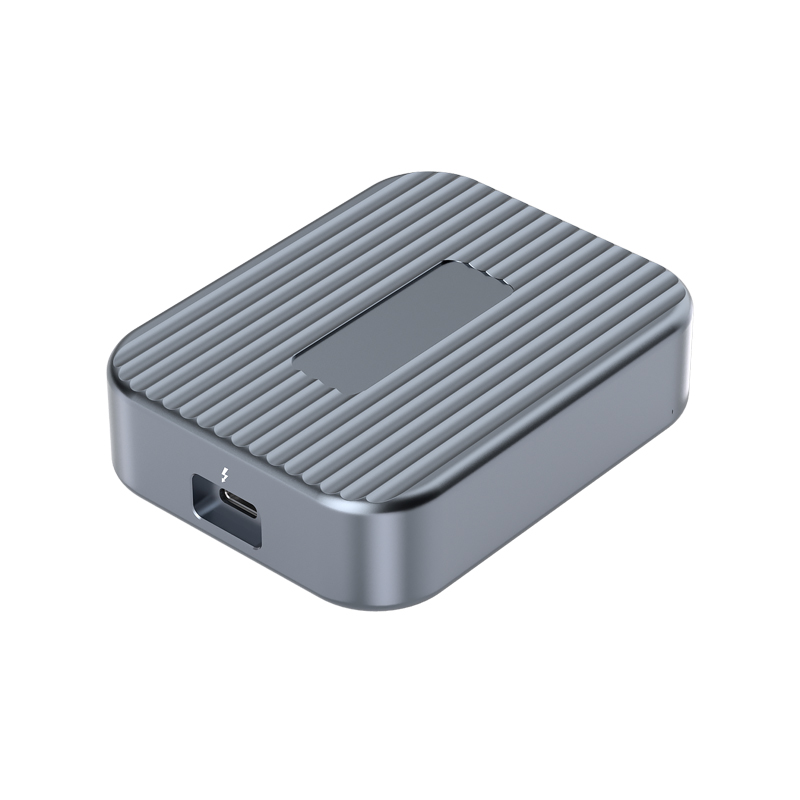
First, sort through old project files, duplicate assets, and large compressed archives in local storage that have not been accessed for a long time. For data that still holds retention value, it is recommended to migrate it to external USB storage devices or reliable cloud services to free up primary drive space and reduce the degree of file system fragmentation.
2.2 Remove Pre-installed Programs and Idle Applications
Most PCs come with several pre-installed software programs from the factory, which often consume memory resources in the background and slow down system startup speed. It is recommended to review the list of installed applications in system settings item by item and uninstall all programs that have not been launched for a long time, especially bundled utility software and trial applications.
2.3 Clear Browser History and Cache
Over a long period of accumulation, browser caches will occupy considerable storage space and may cause web page loading speeds to decrease. It is recommended to regularly clear browsing history, cache files, and third-party cookies. The specific frequency can be flexibly adjusted based on daily usage intensity, usually defaulting to once a month.
2.4 Empty the Recycle Bin
After executing bulk file deletion operations, a large amount of pending data will accumulate in the system recycle bin. Before emptying, confirm that it does not contain any important files that need to be recovered, as this operation will permanently remove all contents within it, which cannot be restored through conventional means.
2.5 Reinstall the Operating System
When the system experiences stubborn performance issues, potential malware infections, or long-accumulated registry errors, reinstalling Windows is the most thorough solution. Before executing a reinstallation, be sure to completely back up personal data, including documents, game saves, and important configuration files. A fresh system environment can eliminate historically left-over software conflicts, restoring the PC's response speed to near-factory levels.
III. Conclusion
Performing regular physical dust removal and system organization on a gaming PC is a core protective measure for maintaining hardware stability and extending the service life of the entire machine. By clearing airflow dust, the processor and graphics card can operate within lower temperature ranges, thereby avoiding performance throttling and component wear caused by overheating. Coupled with software-level redundancy cleanup, both the overall response speed and gaming performance of the PC can be significantly enhanced.
It is recommended to fix the above maintenance process as a routine operation executed every three to six months. By proactively intervening before dust accumulation and system burden cause substantial impacts, you ensure that the gaming system consistently remains in its optimal performance state.