
What Is a Capture Card?
A capture card is a specialized hardware device whose core function is to convert video signals, especially HDMI signals, into digital formats that computers can recognize and process. These devices, commonly referred to as HDMI video capture cards, enable computers to receive, record, or stream video content from sources such as game consoles, cameras, or media players.
Capture cards are essential tools for gamers, streamers, video creators, and system integrators. Whether it's recording gameplay, live streaming events, or integrating video into conference systems, capture cards can convert video signals into formats that computers can handle.

Functions of Capture Cards
Imagine you have a camera that only supports HDMI output and you want to use it for video calls on your computer via Google Meet or Skype. Or, you want to live stream your PS5 gameplay on your PC. In these cases, the computer can accept the source only if it has an HDMI input; many laptops and desktop computers provide HDMI output instead. A capture card provides the video input that the computer and recording software need.
How Capture Cards Work
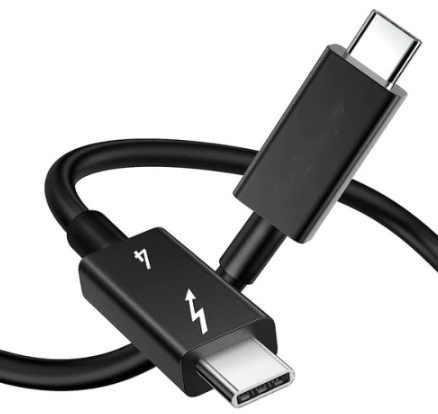
Capture cards receive HDMI signals and expose the video to a computer as a capture input. External models commonly send video over USB or Thunderbolt, while internal models use PCIe. USB models are also known as USB capture cards or HDMI USB capture cards. In software such as OBS Studio, the device can be selected as a video input for recording or live streaming.
Main Functions of Capture Cards
Capture cards offer a variety of functions based on user needs:
- Video and Audio Capture: Convert external video/audio sources into formats that computers can record.
- Live Streaming: Stream real-time video to platforms like YouTube or Twitch.
- Recording: Capture and store gameplay or footage for later editing and use.
Frequently Asked Questions
Can HDMI-to-USB Cables Replace Capture Cards?
An HDMI-to-USB product can function as a capture device only when it contains active video-capture electronics. A passive cable or a display adapter does not convert an HDMI source into a video input that recording software can use. Some products marketed as HDMI-to-USB cables are actually compact USB capture cards, so check the signal direction, supported input, capture resolution, and whether the device appears as a video capture input. USB-to-HDMI display adapters send video from a computer to a display; they do not import an HDMI source for recording or live streaming.
Can USB-C's DP Alt Mode Replace Capture Cards?
USB-C's DisplayPort Alt Mode carries DisplayPort audio and video from a compatible source device through a USB-C connector to a display or adapter. It does not, by itself, make a computer's USB-C port a video capture input. Recording an external HDMI or DisplayPort source still requires capture hardware or another input device designed for that purpose.

Do I Need a Capture Card for Live Streaming on My PC?
If you are gaming and streaming on the same computer and your system supports it, you may not need a video capture card. However, you need to ensure that your CPU and GPU can handle the demands of both gaming and streaming simultaneously; otherwise, you may encounter performance issues.
Types of HDMI Video Capture Cards
HDMI capture devices come in different types based on installation and usage requirements:
- Internal Capture Cards: Installed directly into your computer via the motherboard, typically using PCIe slots.
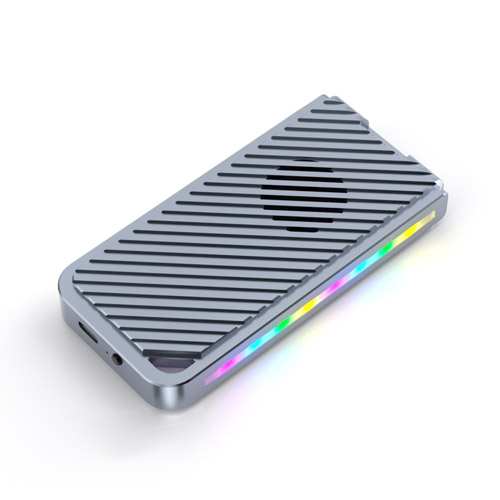
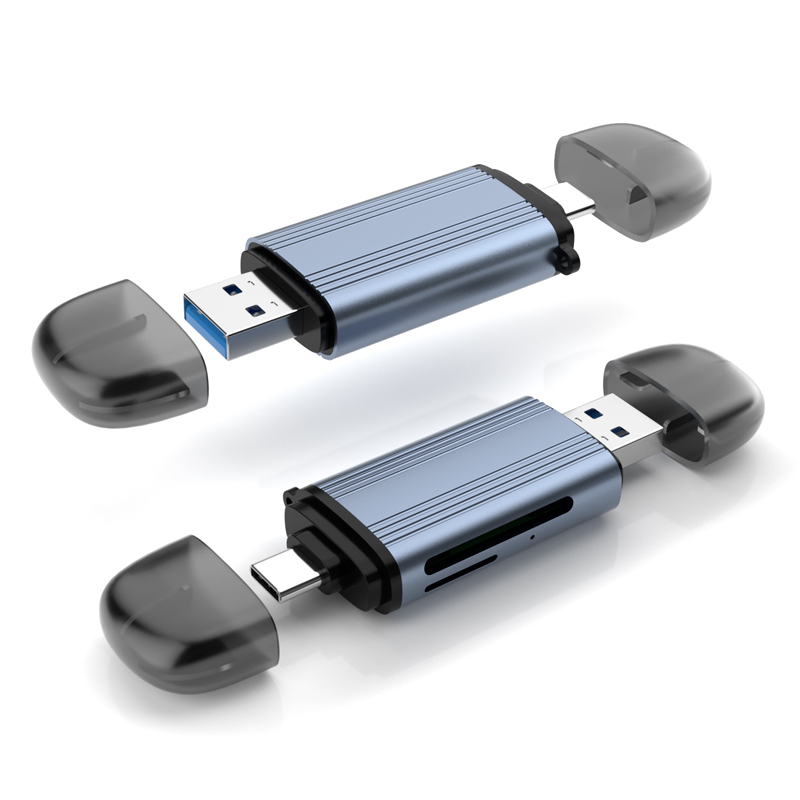
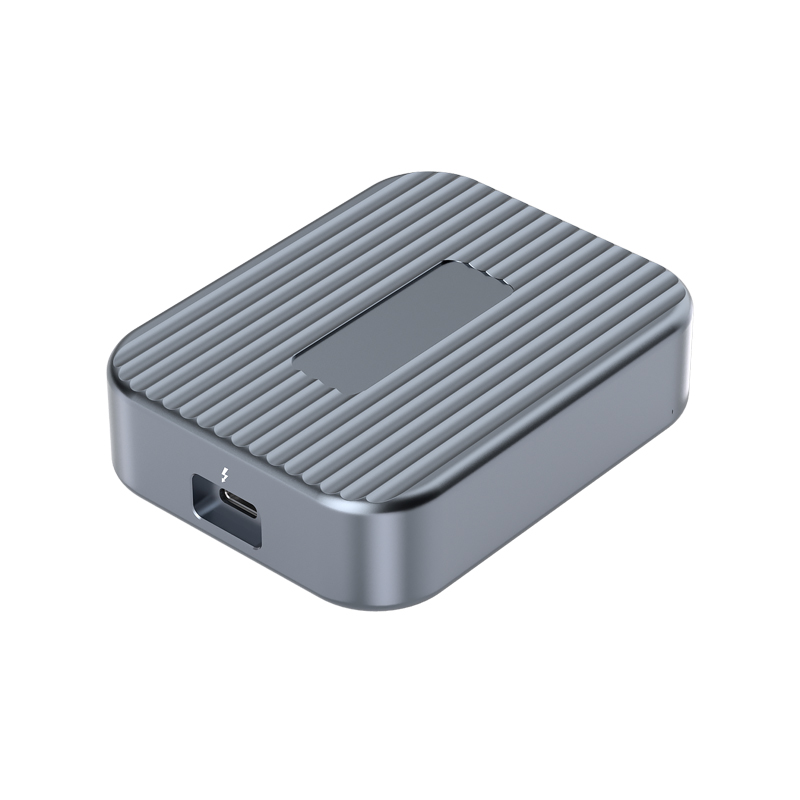
- External Capture Cards: Connected via USB or Thunderbolt for easy setup.
- Driver Requirements: Some models require manufacturer drivers or control software. On Windows, a class-compliant UVC capture card can use the system-provided UVC driver, although vendor software may still be needed for additional controls.
How to Choose a Capture Card
When selecting an HDMI video capture card, consider the following specifications:
- Resolution Support: Ensure it supports the video quality you need, such as 1080p or 4K. Check input, capture, and passthrough resolution separately because they may not be the same.
- Frame Rate: Look for the frame rate required by your workflow, such as 60 FPS or 120 FPS. Confirm whether the listed rate applies to capture, passthrough, or both.
- Low Latency: Low latency is crucial for live streaming and video conferencing. Check whether a latency claim refers to the software preview, the HDMI loop-out, or the complete recording workflow.
- Compatibility: Ensure it is compatible with your game console, operating system (Windows, Linux, macOS), and streaming software.
Capture Specifications to Confirm
A product sheet may use one headline resolution for several different signal paths. Confirm the input, capture, and passthrough modes separately before choosing a device.
| Specification | What it describes | What to confirm |
|---|---|---|
| HDMI input | The source signal accepted by the capture card. | Resolution, refresh rate, color format, HDR requirements, and HDCP behavior. |
| Capture output | The video mode delivered to recording or streaming software. | Capture resolution, FPS, video format, and available audio source. |
| HDMI passthrough or loop-out | The signal sent to a local display while capture continues. | Supported resolution, refresh rate, HDR behavior, and whether it matches the intended display. |
| Host interface | The connection between the capture card and the computer. | Required USB, USB-C, Thunderbolt, or PCIe connection, plus the specified cable and port. |
| Video and color format | The format software receives from the device. | Supported formats, color space, color range, and compatibility with the intended application. |
| Audio path | How HDMI or external audio reaches the computer or monitor. | Embedded HDMI audio, microphone input, monitoring output, and software routing. |
| Driver, UVC, and SDK | How the operating system and application communicate with the device. | UVC support, proprietary driver requirements, supported operating systems, and any required SDK or API. |
| Latency | The delay in the preview, loop-out, or recording path. | Which path was measured and the resolution, FPS, software, and host conditions used. |
| Input count | The number of video sources the device can accept. | How many channels can be captured at the same time and under which combined settings. |
| HDCP | Content protection that may be present on an HDMI source. | Whether the source is protected and whether the planned capture workflow is authorized and supported. |
Encoding Method:
- Hardware Encoding: A model with a documented onboard encoder can compress video before it is stored or sent to the host, which can reduce the computer's CPU workload. Confirm the codec, maximum encoded resolution and frame rate, and supported software in the manufacturer's datasheet.
- Software Encoding: The capture device sends a supported video stream to the computer, and software uses CPU or GPU resources to encode it for recording or streaming. Host demand depends on the resolution, frame rate, codec, and selected encoder.

How to Use a Capture Card
- Connect the Source Device: Use an HDMI cable to connect your camera, game console, or other video source to the HDMI input port of the capture card.
- Connect to Your Computer: Depending on the card's interface, use a USB, USB-C, or Thunderbolt cable to plug the capture card into your computer.
- Install Drivers and Software: If the model requires a driver or proprietary software, download the current version from the manufacturer's website. On a supported operating system, a class-compliant UVC device may use a built-in UVC driver instead.
- Launch Streaming or Recording Software: Open software like OBS Studio or Streamlabs and select the capture card as a video input source.
- Configure Video and Audio Settings: Set a resolution supported by the source and capture card, such as 1080p or 4K, then select a supported frame rate, such as 30fps or 60fps. Confirm the video format and audio source required for the recording or stream.
- Test the Settings: Make a short recording or private test stream to confirm the video and audio quality. Check for dropped frames, delay, incorrect color, or missing audio before the session begins.
- Start Streaming or Recording: Once everything looks good, click "Start Streaming" or "Start Recording" in the software to begin.
If OBS shows no video, first match the source output and OBS settings to a resolution and frame rate supported by the capture device. OBS notes that an unsupported resolution or FPS can prevent the source from displaying, while buffering settings can affect the trade-off between smooth playback and delay.
Conclusion
Capture cards are powerful tools for capturing, recording, and streaming high-quality video content. Whether you are a beginner, a professional content creator, or a system integrator, choosing the right capture card can significantly enhance your workflow and production quality. When selecting a capture card, be sure to consider factors such as resolution, frame rate, latency, and compatibility.
For system integration or a custom capture-card project, prepare the source resolution and frame rate, number of inputs, host interface, operating system, software, passthrough requirement, audio path, and driver or SDK needs. Then send the project requirements for model matching and quotation.