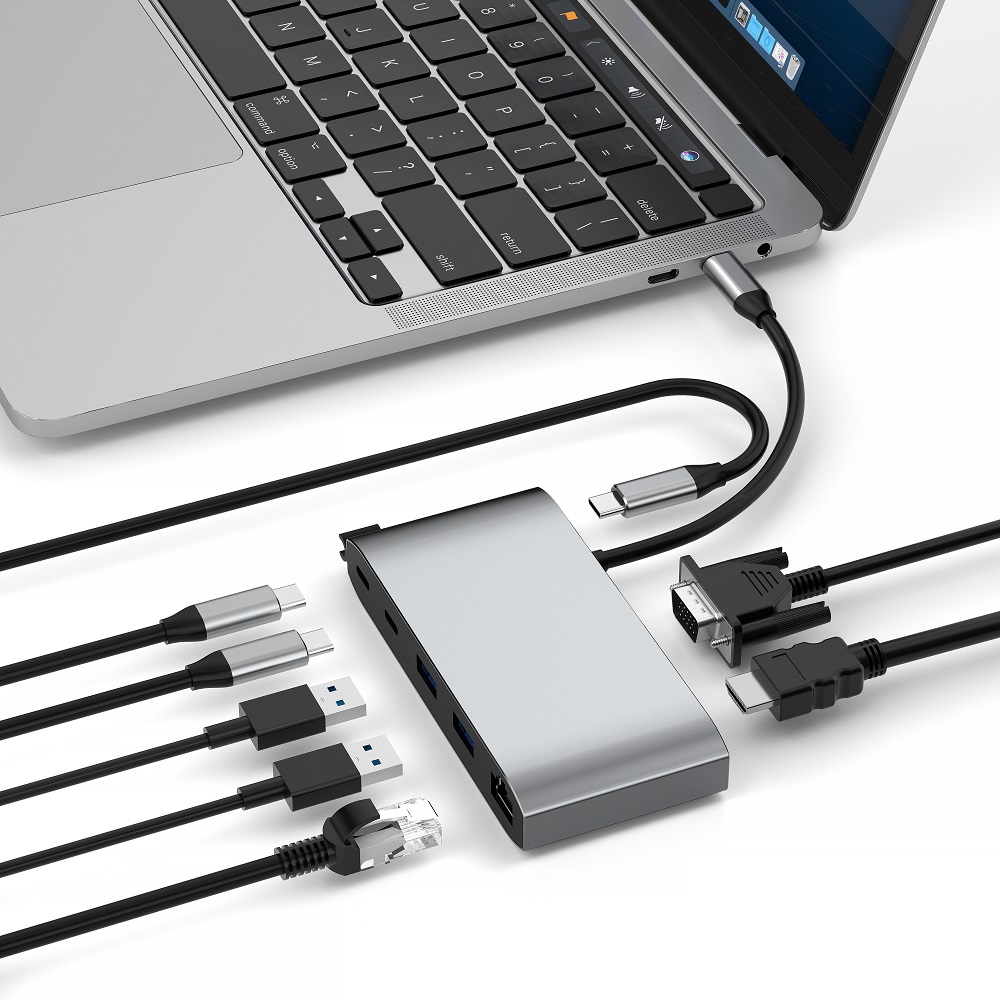
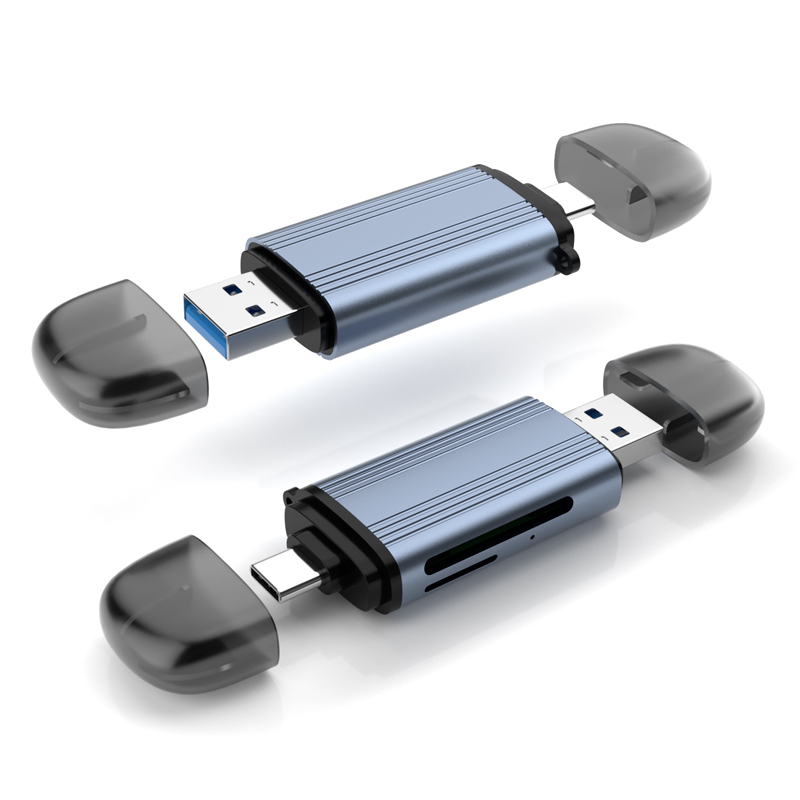
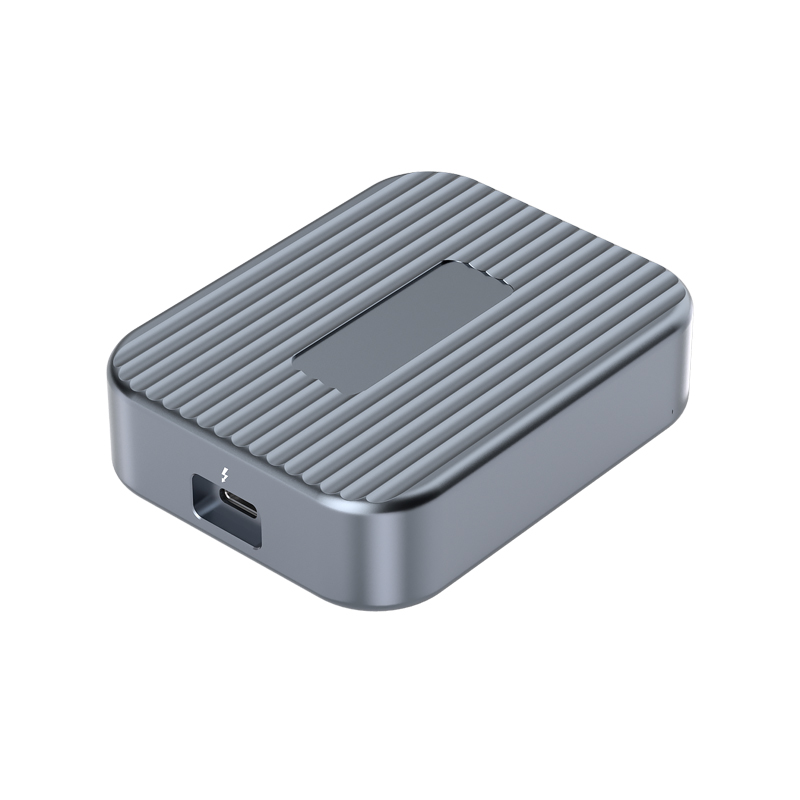
Are you confused about why Ethernet hubs are getting so much attention? If so, you may have missed a key point in the field of networking. Next, we will take a deep dive into the different types of Ethernet hubs on the market and analyze which one is best for your home or business network needs.
Diverse Types of Ethernet Hubs
Ethernet hubs come in various shapes and sizes, and each type is designed for specific usage scenarios.
Switch: A tool for multiple devices to share connections
Switch is one of the most common types of Ethernet hubs. It allows multiple devices to share a single network connection, greatly improving the utilization of network resources. Switches have a variety of speed specifications, including 10/100 Mbps and Gigabit Ethernet. In addition, switches are divided into unmanaged and managed types. Unmanaged switches are simple to operate and are usually used in small networks that do not require complex network management functions; while managed switches are powerful and suitable for large networks. It allows network administrators to have more control and configuration of the network.
Router: A bridge for device connection and communication
A router is also a type of Ethernet hub. Its main function is to connect multiple devices to a network and enable these devices to communicate with each other. Routers also have different speed capabilities and are available in both wireless and wired types. Wireless routers allow devices to access the network via Wi-Fi, making it easier to use mobile devices; wired routers connect devices via network cables to provide a more stable network connection.
Repeater: A powerful assistant for signal amplification
Repeaters also play an important role in Ethernet hubs. It can amplify the signal between two devices so that the signal can be transmitted farther. In most cases, repeaters can effectively extend the coverage of wireless networks and solve the problem of weak signals or insufficient coverage.
Detailed explanation of LAN switches
A LAN switch (LAN switch) is a network device specifically used to connect Ethernet devices on a local area network (LAN). It allows multiple devices to share the same physical connection, avoiding the trouble of each device needing to connect to the network separately.
Like the switches mentioned above, LAN switches are also divided into unmanaged and managed types. Unmanaged switches are easy to operate and are generally used in small networks to meet basic network connection needs; managed switches are feature-rich and suitable for large networks. Network administrators can use them to manage and control the network in detail, such as setting access control lists and monitoring network traffic.
Ethernet hub purchase tips
If you plan to buy an Ethernet hub, the following factors need to be considered.
Budget planning
The price range of Ethernet hubs is roughly between $30 and $200. Before purchasing, you need to clarify your budget so that you can choose the most suitable product within your budget.
Clear purpose
Determining the purpose of the hub is key. Are you going to use it for business or personal use? Business use may require a higher-performance, more functional hub to meet the network needs of the enterprise; while personal use can choose a more cost-effective product based on actual needs.
Number of ports
The number of ports on the Ethernet hub determines the number of devices that can be connected. You need to choose a hub with the right number of ports based on the number of devices that actually need to be connected. If there are many devices that need to be connected, it would be more appropriate to choose a hub with a larger number of ports.
Functional requirements
Different hubs have different functions. Some hubs have built-in switch functions, providing more powerful network management capabilities; while others only provide some basic functions. You need to choose a hub with corresponding functions based on your network needs.
After considering the above factors, you can start shopping for Ethernet hubs. Buying online is a good place to start. Many online retailers sell Ethernet hubs, and you can often find more affordable products by shopping around. Alternatively, you can choose to buy from a local computer store, but be sure to compare prices from several stores before buying, as prices can vary greatly from store to store.