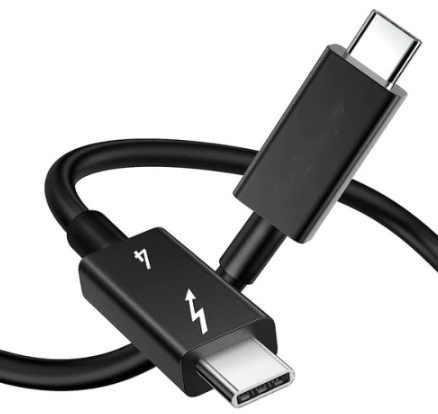
Over the years, connectivity technology has made significant advances in physical port shapes and data transfer speeds. Since the birth of the first USB, we have seen a proliferation of port types, but this has also brought confusion. This article takes a deep dive into the three most important connector technologies you're likely to encounter: USB-C form factor, USB 3.0, and Thunderbolt technology.
USB-C: a new generation of physical port standards
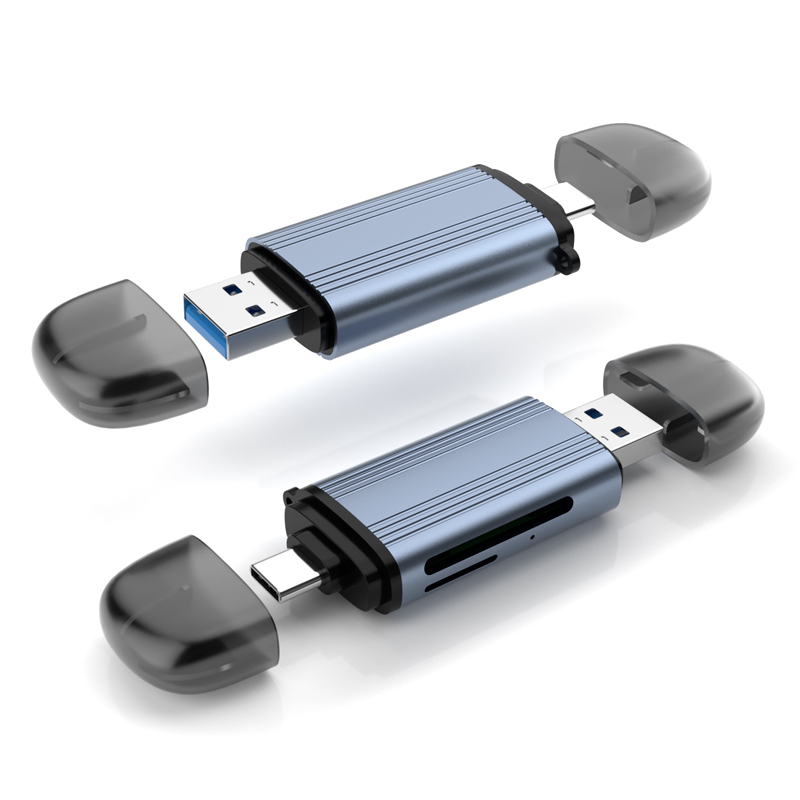
USB-C does not refer to data transfer speed, but the shape of the physical port. Compared to the older USB-A and USB-B, USB-C stands out with its slim, flat, and compact design, making it suitable for both small devices like phones and tablets, and larger devices like laptops. Its symmetrical and reversible design makes insertion easier without worrying about orientation.
The power of USB-C lies in its internal structure, which can accommodate more pins in a smaller form factor to support power, data and video transmission. However, it's important to note that USB-C is just a physical connector shape and its underlying technology may vary from device to device. Therefore, it is crucial to understand the underlying technology of the USB-C port.
USB 3.0: the popularizer of data transmission
USB 3.0 is a data transfer technology that can be found in different shaped ports, including the classic USB-A and the new USB-C. Since its debut in 2008, USB 3.0 has become a common technology in our lives. Compared with USB 2.0, the transmission speed of USB 3.0 has been significantly improved, and it can transmit 5Gb data per second.
However, the design of USB 3.0 also has limitations and cannot fully utilize the additional data and video transmission capabilities of USB-C. Fortunately, with advanced docking technology, like Purplelec's HBC072, users can stream video via a USB 3.0 cable by simply downloading a software driver.
Thunderbolt 3: The leader in superports
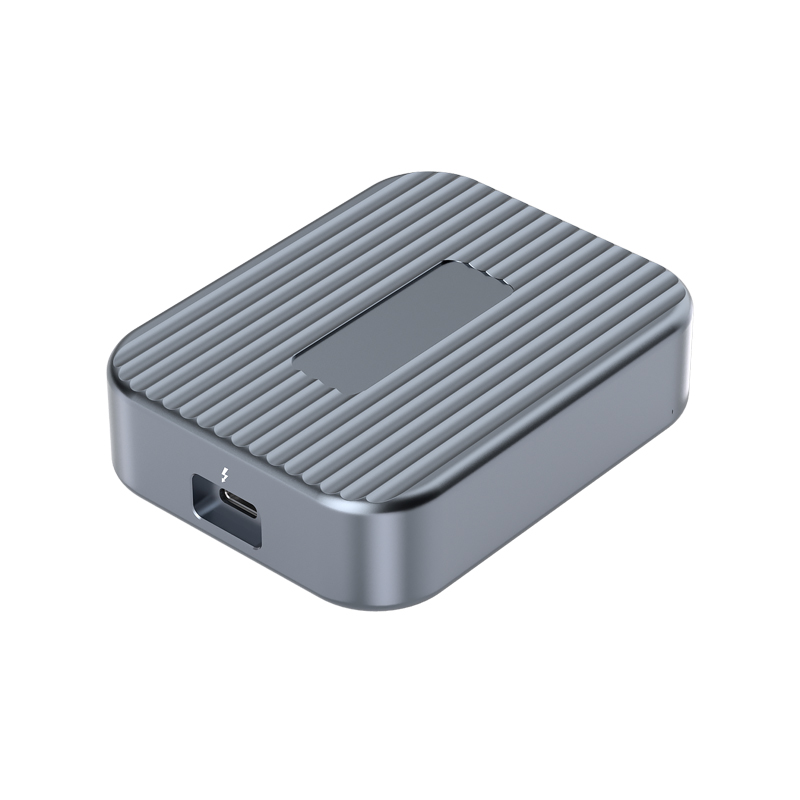
If you're looking for input/output ports that lead the way in power and data transfer, Thunderbolt 3 is undoubtedly your best choice. This Intel technology, now in its third version, is becoming the common standard Superport. Thunderbolt 3 connects power, video, audio and data through a single port, with transfer speeds up to 40 Gb/s, eight times faster than USB 3.0.
The advantage of Thunderbolt 3 is its multitasking capabilities, the ability to integrate additional power ports, video ports, data ports and even audio ports to reduce device clutter. However, it's important to note that not all USB-C ports have Thunderbolt 3 as their underlying technology. Therefore, when selecting a device, be sure to confirm the port type and the underlying technologies it supports.
The bridge role between adapter and docking station
Today, with the rapid development of port technology, adapters and docking stations play a vital role. They help us connect legacy equipment to new port technologies seamlessly. For example, Purplelec’s range of docks and docks offer solutions that take the guesswork out of connecting and allow users to easily enjoy the convenience of a variety of port technologies.