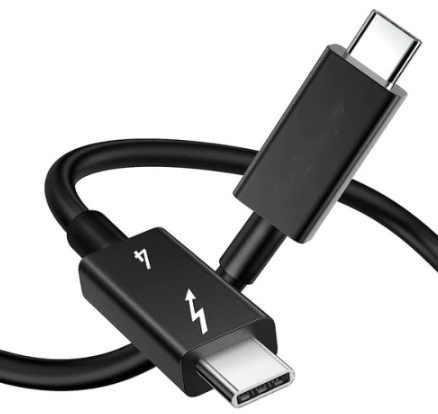
A USB-C hub is a versatile tool for expanding connectivity on modern laptops, tablets, or smartphones that feature a USB-C port. Whether you need to connect multiple peripherals, transfer data, or add external displays, a 4-port USB-C hub can simplify your workflow. Here’s a step-by-step guide to setting it up effectively.
1. Check Compatibility
Before connecting the hub, verify that your device supports USB-C connectivity. Most modern laptops (e.g., MacBooks, Dell XPS, or Surface devices) and smartphones (e.g., Samsung Galaxy or Google Pixel) include a USB-C port. Ensure the hub itself matches your needs: some hubs support USB 3.0/3.1 speeds, HDMI output, or power delivery (PD) for charging your device.

2. Prepare the Hub
Inspect the hub’s ports. A typical 4-port USB-C hub might include:
USB-A ports (for connecting older peripherals like flash drives or keyboards).
HDMI or DisplayPort (for external monitors).
Ethernet (for wired internet).
SD/microSD card readers (for memory cards).
Some hubs also have a USB-C PD port to charge your laptop while using the hub.
3. Connect the Hub
Plug the hub into your device’s USB-C port. Align the connector correctly—USB-C is reversible, so it should fit smoothly. Avoid forcing it.
Attach peripherals to the hub. For example, connect a mouse to a USB-A port, an external monitor via HDMI, and a charger to the PD port.
Wait for device recognition. Most operating systems (Windows, macOS, ChromeOS) automatically detect connected devices. If drivers are required, install them from the hub’s manufacturer website.
4. Troubleshoot Common Issues
No power? Ensure the hub is securely connected. If it has a PD port, use a compatible charger.
Peripherals not working? Try reconnecting the hub or restarting your device.
Limited bandwidth? Avoid overloading the hub. For example, using HDMI and multiple USB devices simultaneously might reduce data transfer speeds.
5. Optimize Usage
Prioritize power delivery. If your hub supports PD, connect your laptop charger to it to save your device’s built-in USB-C port.
Organize cables. Label ports or use cable ties to avoid clutter.
Check for updates. Some hubs receive firmware updates to improve compatibility.
Why Use a USB-C Hub?

USB-C hubs bridge the gap between minimalistic device designs and real-world connectivity needs. They allow you to connect legacy devices (like USB-A drives), add monitors for multitasking, or transfer files from cameras via SD cards—all through a single port. For professionals, students, or casual users, a 4-port hub is a cost-effective way to enhance productivity without sacrificing portability.
By following these steps, you can seamlessly integrate a USB-C hub into your setup, unlocking greater flexibility for work, entertainment, or creative projects. Always refer to the hub’s manual for device-specific guidance and enjoy the expanded possibilities!