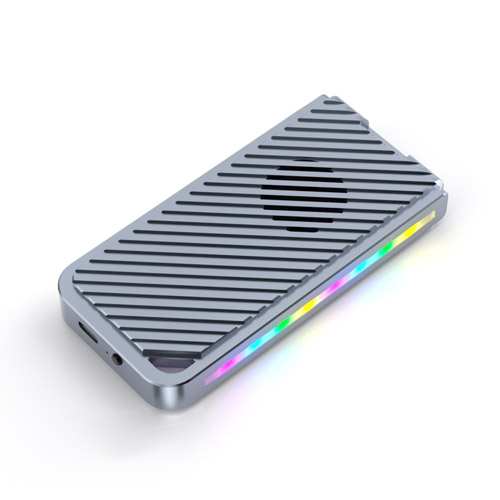
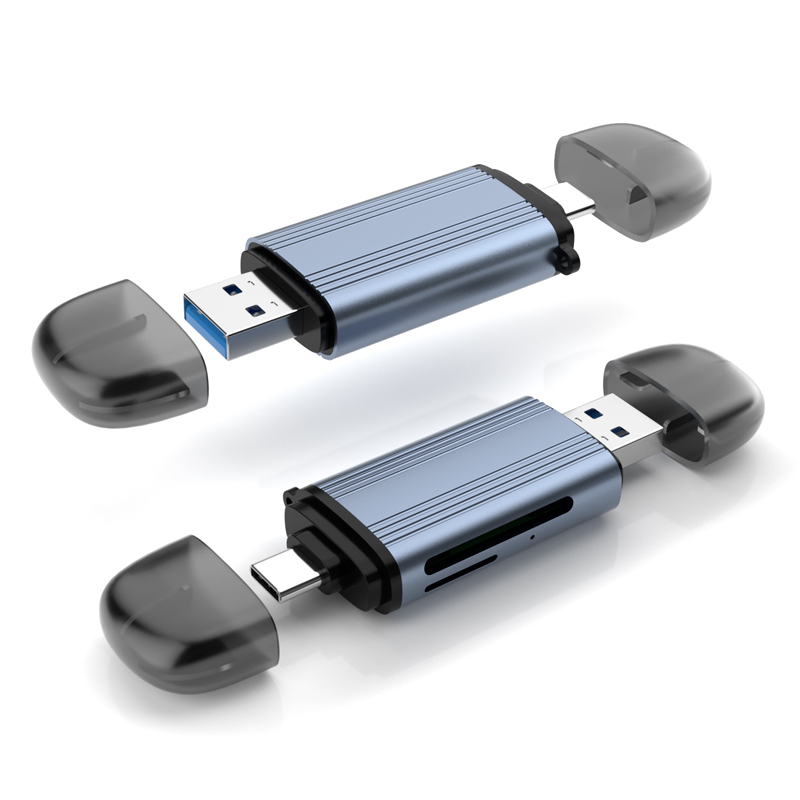
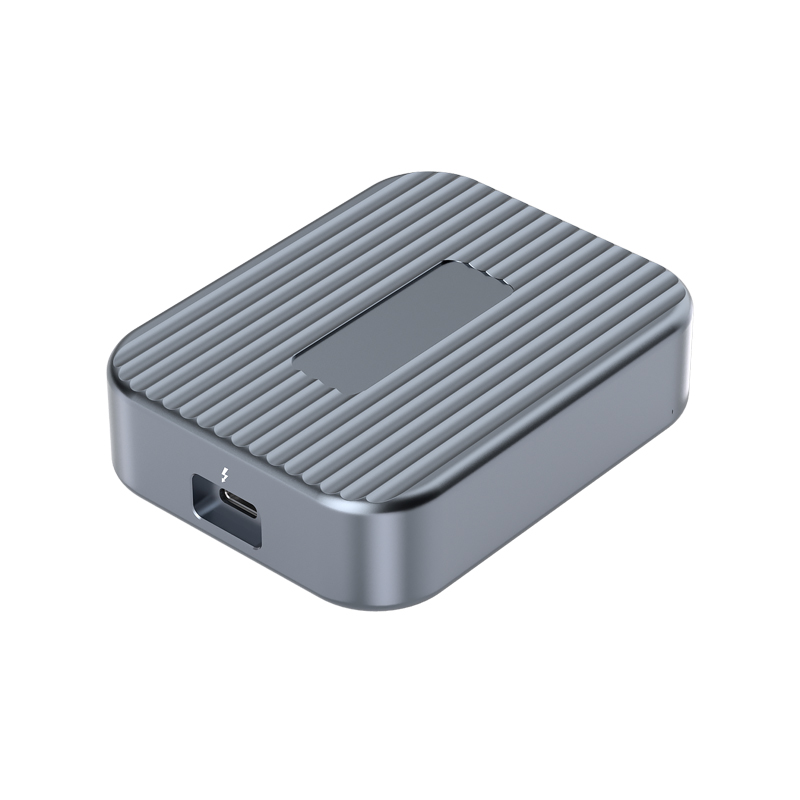
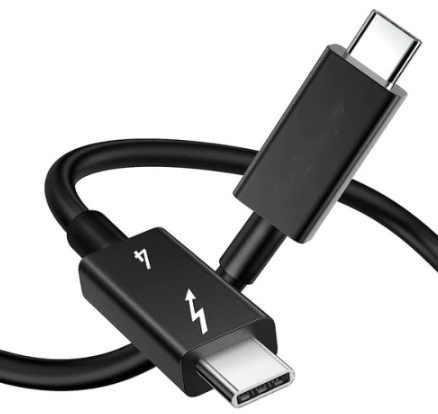
The USB 3.0 industrial acquisition card is a high-speed data acquisition device designed for industrial environments. It is mainly used to collect data from sensors, cameras, ana-log signals (such as voltage, current) or digital signals (such as switching quantity, pulse signal) in real time, and transmit it to the computer through the USB 3.0 interface for processing and analysis.
Core functions and features
1. High-speed transmission
The theoretical bandwidth of USB 3.0 is 5 Gbps (the actual effective rate is about 400 MB/s), which is suitable for high-resolution images, high-speed sensor signals or multi-channel synchronous acquisition needs.
Compared with USB 2.0 (480 Mbps), the transmission speed is significantly improved, reducing data delay.
2. Industrial-grade reliability
Anti-interference design: electromagnetic shielding and isolation circuits (such as photoelectric isolation) ensure stable operation in complex electromagnetic environments.
Wide temperature range: supports -40°C to +85°C operating temperature, adapting to extreme industrial environments.
Protection level: Some devices have IP65/IP67 protection, dustproof, moisture-proof and vibration-proof.
3. Multi-channel and signal type support
Ana-log input (AI): supports voltage (±10V), current (4-20mA) and other signals, 16-24-bit high-precision ADC.
Digital I/O: collects switch signals (such as PLC signals) or outputs control signals.
Video acquisition: supports frame rate and resolution adaptation of industrial cameras (such as GigE Vision or Camera Link).
4. Real-time and synchronization
Supports hardware trigger (external trigger signal) or timer trigger to ensure synchronous acquisition of multiple devices.
Some high-end models are equipped with FPGA to achieve real-time signal processing (such as filtering, encoding).
5. Software and driver support
Provide SDK (software development kit) compatible with LabVIEW, MATLAB, Python and other platforms.
Supports Windows/Linux real-time systems, and some support ROS (Robot Operating System).
Typical application scenarios
1. Machine vision inspection
Connect industrial cameras for defect detection, QR code recognition, and positioning guidance (such as robotic arm grabbing) on the production line.
2. Industrial automation control
Collect PLC and sensor (temperature, pressure) data to achieve equipment status monitoring and closed-loop control.
3. Test and measurement system
High-speed recording of vibration, noise, current waveform and other signals (such as motor testing, power supply testing).
4. Scientific research and medical equipment
Bioelectric signal acquisition (ECG/EEG), high-speed data recording (such as laser radar point cloud).
Key selection parameters
1. Signal type and number of channels
Number of ana-log input channels (such as 16 differential inputs), number of digital I/Os, and whether counters/encoders are supported.
2. Sampling rate and resolution
Ana-log sampling rate (such as 1 MS/s per channel), resolution (16/24 bits), and maximum frequency of digital signals.
3. Compatibility and scalability
Whether it supports Daisy-Chain multi-device cascading, PCIe or Ethernet expansion capabilities.
4. Industry certification
CE, FCC, RoHS certification, compliant with industrial EMC standards (such as IEC 61000).
Notes
Driver and system compatibility: Confirm whether the operating system (such as Windows 10 IoT, Linux RT) supports it.
Power supply requirements: Some high-power devices require an external power supply (USB power supply limit is about 4.5W).
Cables and connectors: Use shielded industrial-grade USB cables to avoid long-distance signal attenuation (recommended<3 meters).