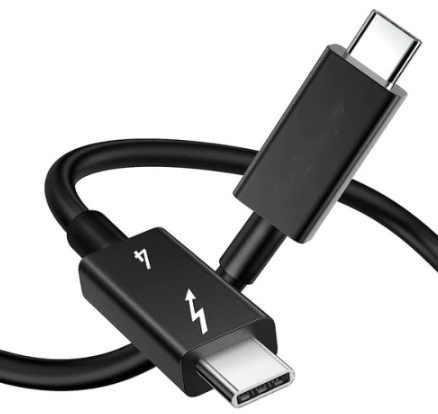
Welcome to the world of technology. We cheer for those miniature devices that can shoulder heavy tasks, and the USB - C hub is one of them. It is small in size but incredibly powerful, enabling us to easily connect multiple peripheral devices to our computers. However, like all tech products, it can occasionally act up. This article will serve as a troubleshooting guide, taking you through common issues, potential causes, and solutions for USB - C hubs.
Sometimes, your USB - C hub may encounter port malfunctions or driver problems. While these can be a bit of a hassle, don't panic. Next, we'll explore the importance of troubleshooting and show you how to tackle technical challenges, allowing you to handle them with ease. Fasten your seat belts and embark on this wonderful journey of problem - solving!
A Comprehensive Process for USB - C Hub Troubleshooting
Initial Checks
When your USB - C hub malfunctions, it's like a naughty child refusing to cooperate. But don't worry. We'll handle it patiently, just like responsible adults do. The following steps might help you:
Update Software: Sometimes, the solution is as simple as that. Imagine the hub as our body; it needs "nourishment" (updates), otherwise, problems will arise. So, first, make sure your device software is up to date.
Reset the Hub: This is akin to the classic "reboot" or giving the hub a little nap to refresh its system. Different hubs have different reset methods, so remember to bring along the manual.
In - Depth Troubleshooting Techniques
Next, we'll act like Sherlock Holmes, searching for clues, gathering evidence, and ultimately solving the problem.
Observe: Pay attention to when the problem occurs and which device is being used.
Research: Look up your problem online. Chances are, you're not the first one to encounter it.
Trial and Error: Sometimes, rolling up your sleeves and giving it a try is the way to find a solution.
Quick Tips
Here are some tips to help you get on the right track to solve the problem:
Regularly update the software and treat it as a routine check for the hub.
When facing a problem, start with a reset. This gives a severely malfunctioning hub a fresh start.
If the problem persists, try other devices or ports. This helps isolate the issue.
Common Problems and Solutions
Port Malfunctions
Port problems are like mischievous ghosts, prone to causing various troubles. Let's look at common problems and their solutions:
Physical Damage: This is a common cause. Keep an eye out for obvious signs of wear and tear on the ports and cables. If it's a hardware issue, you may need professional help or even have to replace the hub. Remember, it's not shameful to seek help, especially when it comes to the "health" of your hub.
Power Issues: Some ports can't connect to power - hungry devices. If you find a particular device causing problems, it might be the "culprit".
Troubleshooting Steps:
Check the ports and cables for visible damage.
Test with different devices to isolate the problem.
Check the power requirements of the device to ensure the hub can provide enough power.
Prevention Tips:
Handle the hub and cables carefully; they're not indestructible.
Don't overload the hub with power - hungry devices.
Clean the ports regularly to prevent dust and dirt buildup.
Driver Problems
Drivers are like the "roadmaps" for the hub. If they're outdated or incorrect, the hub will get "lost". If you experience random disconnections or the hub not being recognized, it might be a driver issue.
Troubleshooting Methods:
Regularly check for and install driver updates.
If the current drivers are corrupted, reinstalling them might help.
Prevention Tips:
Regularly check for driver updates. Important things need to be said three times!
Uninstall unnecessary drivers to give the hub a "spring cleaning".
Use automatic driver update tools to let them do the heavy lifting.
Connection Problems
There can be compatibility issues between the hub and devices, similar to friends having a falling - out, and even interference can occur. Here are some methods to resolve this "technical misunderstanding":
Check Compatibility: Make sure the device and the hub can "get along well".
Change Location: Interference can be a big problem, especially for wireless devices. Try changing the location.
Prevention Tips:
Check device compatibility before purchasing.
Keep the hub away from potential sources of interference, such as other wireless devices.
Regularly update your devices. Updates are really important!
Overheating Issues
Overheating is a hot topic, with various causes ranging from poor ventilation to power surges.
Troubleshooting Action Plan:
Ensure there's enough space around the hub for proper ventilation.
Check if it's overloaded and disconnect unnecessary devices.
Prevention Measures:
Place the hub in a well - ventilated area.
Don't overload the hub; it needs to "catch its breath".
Use a surge protector, just in case.
Best Practices for USB - C Hub Troubleshooting
Finally, we've summarized the best practices for USB - C hub troubleshooting. They're like the "golden rules" for hub maintenance. By following these principles, your journey with the hub will be smooth sailing.
Back Up Data: Always back up important data. It's better to be safe than sorry.
Check for Updates: Again, updates are crucial. Make sure all devices (not just the hub) are up to date.
Use Security Measures: Whenever possible, use encrypted data transmission to ensure the security of your hub.
Conclusion
Well, that's it. We've lifted the veil on the seemingly daunting task of USB - C hub troubleshooting. Remember, when your hub malfunctions, stay calm, observe, research, and give it a try. Most problems can be solved with a bit of patience and persistence. Always follow the best practices and keep everything updated, and your hub will serve you reliably!