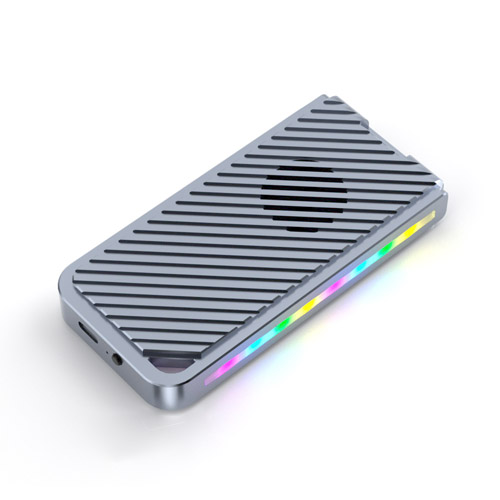
USB Type-C
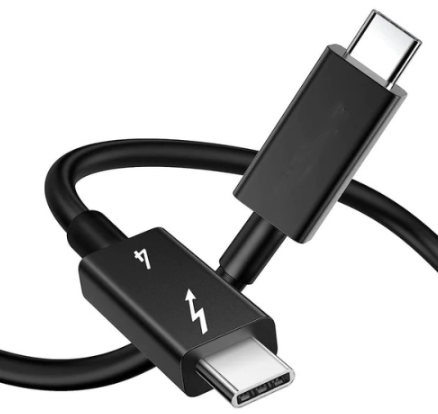
USB Type-C, or simply USB-C, is a new form of USB connector standardized by the USB Implementers Forum (USB-IF). This connector boasts several notable features:
Small Size: Compared to the traditional Type-A connector, the Type-C connector has a significantly reduced size of just 8.3x2.5mm, making it more suitable for use in increasingly compact computing devices.
Reversible Design: The Type-C connector is designed to be orien-tation-agnostic, meaning it can be inserted regardless of which side is facing up, eliminating the age-old frustration of "USB always facing the wrong way."
Faster Transfer Speeds and Enhanced Power Delivery: Supporting the USB 3.1 specification, the Type-C connector offers data transfer speeds of up to 10 Gbps, faster than previous USB connectors. Additionally, it provides power delivery up to 100W, enabling direct charging of devices such as laptops and smartphones without the need for additional adapters.
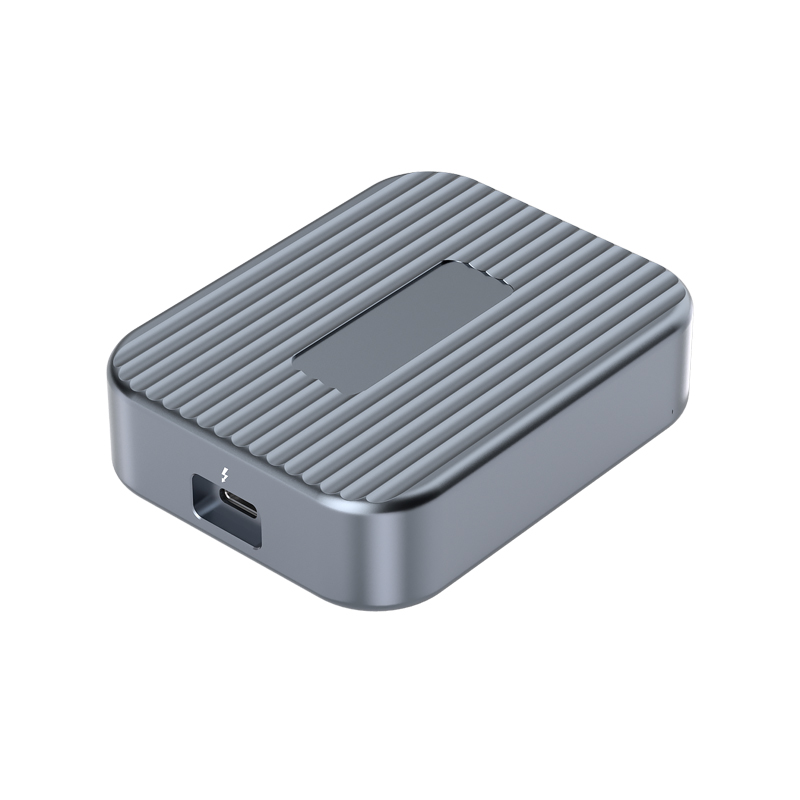
Versatility: Beyond data transfer, the Type-C connector also supports audio and video signal transmission and is compatible with protocols like DisplayPort and Thunderbolt 3. This makes it a universal connectivity standard suitable for various devices and application scenarios.
A USB 3.1 Type-C adapter is a converter designed to bridge the gap between USB 3.1 Type-C and other types of connectors, such as USB Type-A, HDMI, VGA, etc. Its primary function is to address compatibility issues between different connectors, allowing users to seamlessly transfer data and signals between devices with differing interfaces.
Specifically, a USB 3.1 Type-C adapter enables the following types of conversions:
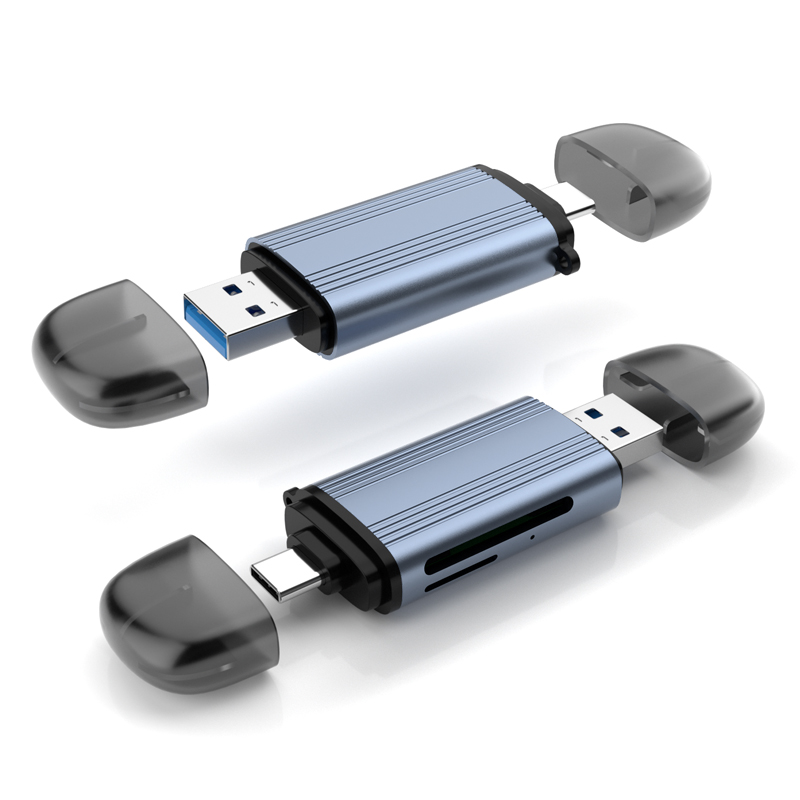
Data Interface Conversion: Converts the USB 3.1 Type-C connector into a USB Type-A connector, enabling users to connect traditional USB devices and cables to Type-C devices for data transfer.
Video Signal Conversion: Outputs video signals from Type-C devices to displays or other visual output devices via HDMI or VGA interfaces, facilitating the playback of high-definition videos.
Charging Interface Conversion: Although the Type-C connector inherently supports robust power delivery, in some cases, users may require conversion to other charging interfaces to utilize specific chargers or power banks for device charging.
It's essential to note that the performance and quality of USB 3.1 Type-C adapters can vary significantly based on their design and manufacturing standards. Therefore, when selecting an adapter, users should opt for products from reputable brands and manufacturers to ensure good compatibility and stability.