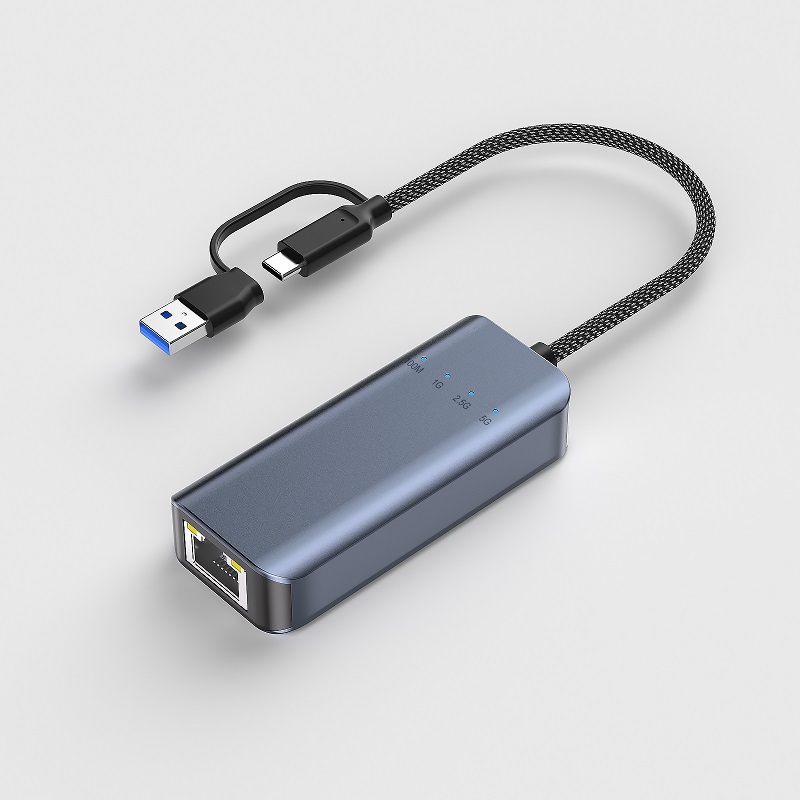
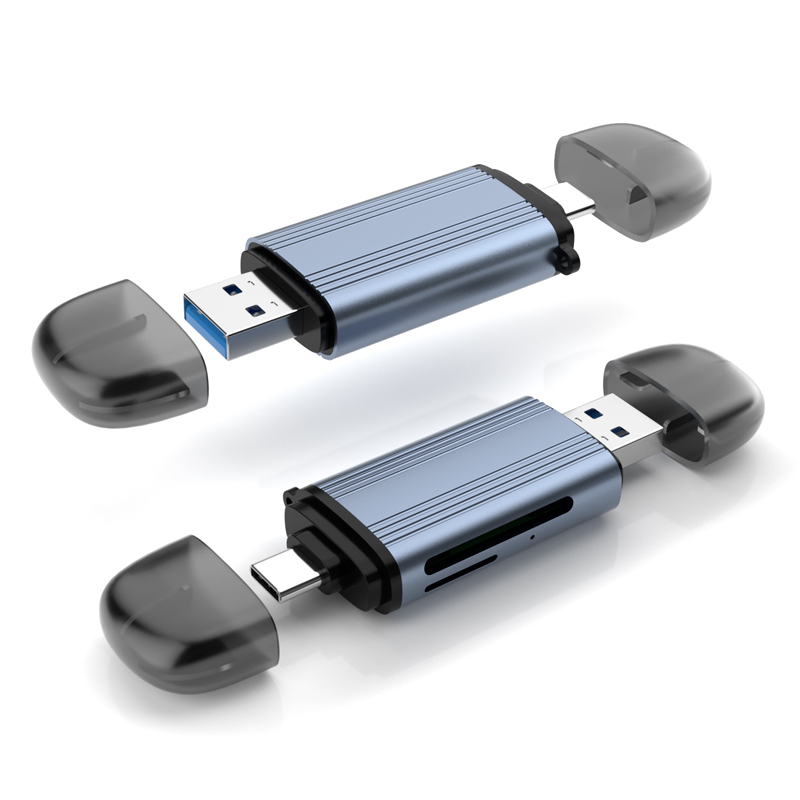
An Ethernet adapter is a key piece of hardware that connects devices to Ethernet. It connects to an Ethernet cable through a USB port, providing a more reliable solution than short USB cables for scenarios that rely on longer cables. This plug-and-play USB Ethernet adapter greatly simplifies the process: users can simply plug it into a USB port and connect an Ethernet cable to easily connect multiple devices. Then, by connecting the other end of the Ethernet cable to another device, users can easily transfer files, share Internet connections, and communicate through various applications.
The USB-C interface was originally designed to enhance the wired connection between computers and laptops and the Internet or local network by utilizing the existing wiring system in the home. In addition, given that the new generation of USB-C laptops and desktops are usually equipped with limited port space, external Ethernet adapters have become a necessary accessory for these devices to connect.
Types of USB Ethernet Adapters
USB Ethernet adapters, also known as USB-LAN or USB-RJ45 adapters, provide a solution for devices without internal Ethernet ports to connect to wired networks. There are several types of USB Ethernet adapters, depending on the USB interface you use. Here are some common types:
USB 2.0 Ethernet Adapter: 100Mbps
This type of adapter supports USB 2.0 with a maximum data transfer rate of 100Mbps. It works with devices that have USB 2.0 ports.
USB 3.0 Ethernet Adapter: 1000Mbps, 2.5Gbps
USB 3.0 adapter provides higher data transfer rates than USB 2.0, with a maximum speed of 2.5 Gbps. It works with devices that have USB 3.0 ports and provides a faster and more reliable Ethernet connection.
USB Type-C - Ethernet Adapter: 1000Mbps, 2.5Gbps
With the increasing popularity of USB Type-C ports, adapters are designed to provide Ethernet connectivity over USB Type-C. These adapters are versatile and can be used with laptops, tablets, and other devices with USB Type-C ports.
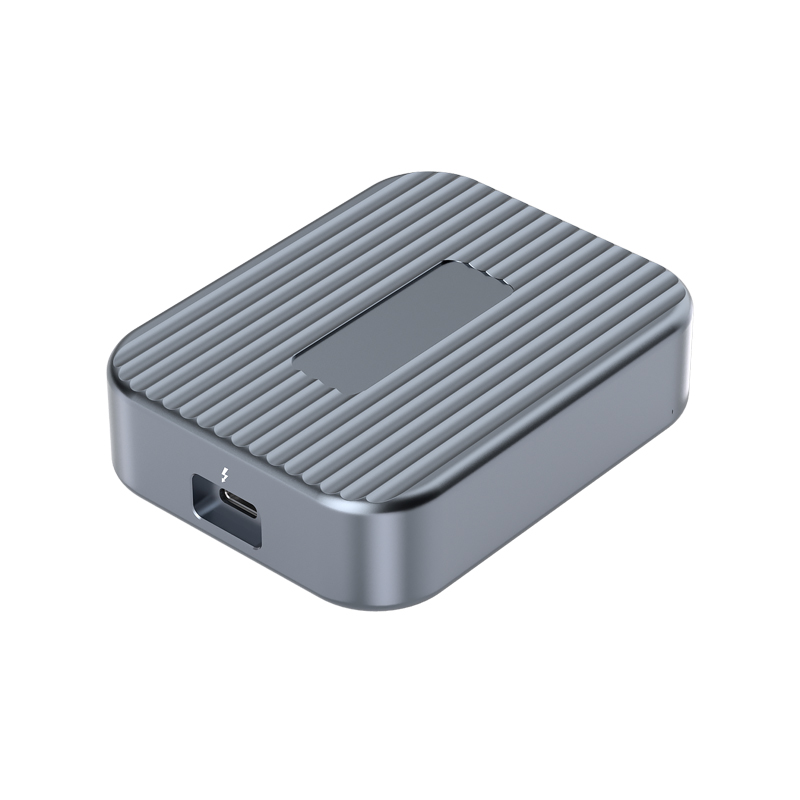
Thunderbolt Ethernet Adapter:
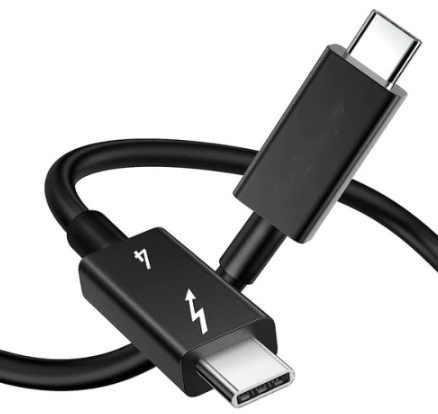
Some adapters are designed specifically for Thunderbolt ports. Thunderbolt is a high-speed interface, and a Thunderbolt-to-Ethernet adapter provides a fast and reliable network connection.
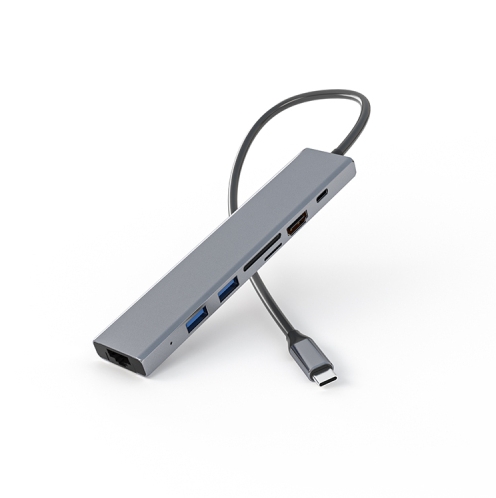
USB Hubs with Ethernet Ports:
There are also USB hubs with integrated Ethernet ports. These hubs often include additional USB ports, allowing you to expand your connectivity options while providing a wired network connection.
When choosing a USB Ethernet adapter, it is important to consider the type of USB port available on your device (USB 2.0, USB 3.0, USB Type-C, Thunderbolt) to ensure compatibility. Also, pay attention to the data transfer rates supported by the adapter and device to maximize network performance.