For designers and engineers, efficiently managing multiple computers is crucial for enhancing work efficiency. Whether you're a graphic designer engaged in high-resolution visual work or an engineer handling complex simulations, seamless switching between devices is a must. KVM switches come to the rescue by integrating your setup, allowing you to control multiple systems with just one set of keyboard, mouse, and monitor, thereby reducing clutter and streamlining workflows.
But which KVM switch is the best fit for your specific needs? Let's delve into the key requirements of designers and engineers and discuss the optimal solutions to help you create an optimized workspace.
For Designers: Pursuing High-Quality Visuals and Smooth Workflows
Designers, including graphic designers, video editors, and animators, demand precise color representation and smooth performance. When selecting a KVM switch, the following are the critical considerations:
High-Resolution Support: The KVM switch should be capable of handling at least 4K@60Hz resolution with true color depth (10-bit/4:4:4) to deliver accurate visual effects. This ensures that the colors you see on the screen are true to life, which is essential for tasks like color grading and detailed graphic design.
Dual-Monitor Functionality: Many design workflows benefit from extended screen space, with one monitor dedicated to editing tools and the other for previewing the work. A KVM switch with dual-monitor support allows you to easily switch between different design applications and view your work from multiple angles.
Peripheral Device Compatibility: It should seamlessly integrate with graphics tablets, color calibration devices, and external storage. This compatibility ensures that you can use all your essential design tools without any compatibility issues, saving you time and frustration.
Fast Switching: A lag-free experience is vital for ensuring smooth transitions between devices, keeping your creativity flowing uninterrupted. When you're in the zone, the last thing you want is a delay when switching between your laptop and desktop to access different design resources.
For Engineers: Focusing on Multi-Screen Efficiency and Performance
Engineers, such as CAD professionals, architects, and IT experts, rely on multiple screens and high refresh rates to run performance-intensive applications. Their main requirements for a KVM switch are as follows:
Multi-Monitor Support: Many engineering applications require at least two to three monitors to display complex models, data, and simulation results simultaneously. A KVM switch that supports multiple monitors allows engineers to work more efficiently by providing a comprehensive view of their projects.
High Refresh Rate: Support for 144Hz 1440p or 240Hz 1080p ensures smooth rendering of simulations and 3D models. High refresh rates reduce motion blur and provide a more responsive experience, which is crucial for tasks like real-time simulation and interactive design.
Basic Peripheral Device Connectivity: The KVM switch should accommodate 3D mice, external drives, and network connections. These peripherals are essential for engineers to perform their tasks accurately and efficiently, and the KVM switch should not limit their usage.
Fast and Stable Device Switching: Efficient conversion between multiple systems improves workflow efficiency. Engineers often need to switch between different computers to access different software or data, and a fast and stable KVM switch ensures that this process is seamless and does not disrupt their work.
Top KVM Switch for Designers and Engineers: QH005
The QH005 is an excellent choice for professionals who frequently switch between laptops and desktops with dual displays. It offers a dual-display KVM docking solution that simplifies workflows.
Dual 4K@60Hz Display Support: It ensures high-quality visuals, allowing you to work with detailed graphics and videos without compromising on image quality. Whether you're editing high-resolution images or watching 4K videos, the QH005 delivers a stunning visual experience.
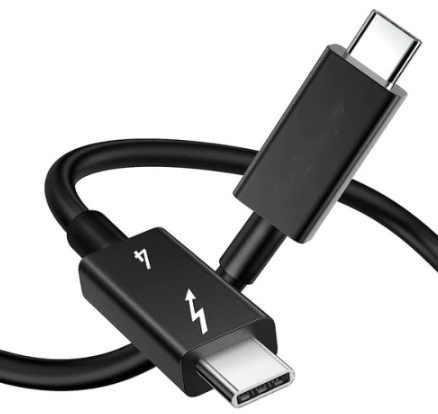
USB-C Dock with 60W Charging: This feature powers your laptop while reducing cable clutter. You can charge your laptop and connect it to other peripherals through a single USB-C cable, keeping your workspace tidy and organized.
Multiple USB Ports: These ports enable seamless integration with graphics tablets, external drives, and 3D peripherals. You can connect all your essential devices to the QH005 without the need for additional hubs or adapters, saving you time and money.
Fast and Reliable Switching: It allows you to transition between systems with minimal interruptions. Whether you're switching from your laptop to your desktop to access a different software or file, the QH005 ensures a smooth and quick transition, keeping you focused on your work.
This KVM switch is best suited for designers and engineers who need an easy-to-use dual-display KVM switch for both laptops and desktops.
Maximizing Your KVM Setup for Enhanced Productivity
Ensure Compatibility: Before choosing a KVM switch, check the following aspects:
Monitor Resolution and Refresh Rate Support: Make sure it can handle the resolution and refresh rate of your monitors to ensure optimal visual performance. If your monitors support high refresh rates, the KVM switch should be able to deliver the same performance to avoid any lag or stuttering.
Peripheral Compatibility: Verify that it works with essential devices like graphics tablets, external SSDs, and 3D mice. Some peripherals may require specific drivers or protocols, so it's important to ensure that the KVM switch is compatible with them.
Charging and Power Requirements for Laptop Setups: Consider the power needs of your laptop to ensure that the KVM switch can provide sufficient power for charging and operation. If you're using a high-performance laptop, you may need a KVM switch with a higher power output.
Optimize Your Switching Workflow:
Use Hotkeys or Dedicated Buttons: These features enable quick transitions between devices, saving you time and effort. You can assign specific hotkeys to switch between different computers or displays, making the switching process even more convenient.
Adjust USB Priority Settings: This ensures that necessary peripherals remain active during switching. For example, if you're using a graphics tablet, you can set the USB priority to keep the tablet connected and responsive when switching between computers.
Keep Your Workspace Organized:
Implement Cable Management Solutions: This makes your desktop layout neater and reduces cable clutter. You can use cable clips, cable sleeves, or cable trays to keep your cables organized and out of the way, creating a more comfortable and efficient workspace.
Use Monitor Stands: Monitor stands can free up desktop space and improve ergonomics. By raising your monitors to eye level, you can reduce neck and eye strain, making it more comfortable to work for long periods.
Position Keyboards, Mice, and Other Peripherals for Easy Access: Place your keyboard, mouse, and other peripherals within easy reach to minimize movement and improve efficiency. You can use a keyboard tray or a mouse pad with a wrist rest to enhance comfort and reduce fatigue.
Conclusion
KVM switches have the potential to revolutionize the way designers and engineers work by simplifying device management and boosting efficiency. Whether you require dual-display support for laptops and desktops, seamless switching between two laptops, or a triple-monitor setup for two desktops, we can tailor a solution to your specific workflow. Investing in the right KVM switch means you can spend less time on cable management and device switching and more time focusing on your projects. Explore your options today and create a more efficient and clutter-free workspace.