Do you want to fully enjoy the fun of console games but don't have a TV? Don't worry! You can also start an exciting gaming journey with a computer monitor. Most modern game consoles are equipped with HDMI output ports. All you need is an HDMI cable to easily connect the game console to the monitor. Next, we will introduce in detail how to play console games on a computer monitor.
I. Thorough Preparations Before Connection
(I) Selecting the Right Monitor
If you have multiple monitors, you need to carefully choose the one that best suits your game console. Different game consoles have varying requirements for display effects:
High - Definition Consoles: Newer consoles such as the PS4 and Xbox One can present the best image quality when paired with a Full - HD (1080p) monitor. Connecting these high - definition consoles to a CRT (Cathode - Ray Tube) monitor will result in a blurry picture.
Older Consoles: Older game consoles that do not support high - definition output, like the NES and Sega Genesis, can actually display more accurate images on a CRT monitor. Moreover, the high refresh rate of CRT monitors can enhance game control. However, when connected to a high - definition monitor, the low refresh rate may lead to poor control and the image may be stretched.
(II) Checking the Monitor's Connection Ports
Before connecting the game console, it is crucial to understand the connection ports of the monitor:
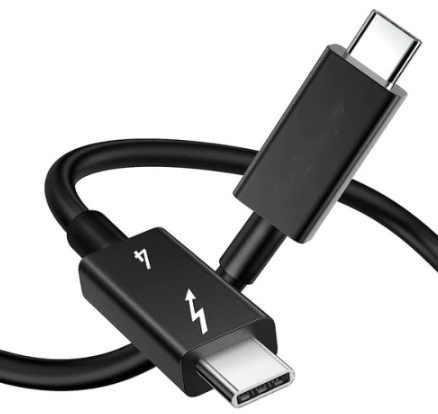
HDMI: It looks like an elongated USB plug with grooves at both ends and is the most commonly used interface for modern monitors and game consoles.
DVI: This 24 - pin interface is another common monitor interface. It is not applicable to any game system, but you can use an adapter to make the connection.
VGA: It is the old standard interface for monitors. The 15 - pin interface is usually blue. Most new monitors no longer have this interface, and currently, no game console directly supports this interface. You need to use an adapter for connection.
Composite (RCA): Very few monitors support this interface, but it is commonly used by many older game consoles.
(III) Checking the Output Ports of the Game Console
Different game consoles have different connection methods:
HDMI - Supported Consoles: Consoles such as the PS4, Xbox One, PS3, Xbox 360 (except the first - release version), and Wii U support HDMI. They also support component video cables, but there are few monitors that support component video.
Composite Cable - Supported Consoles: Consoles like the Wii, PS2, Xbox, GameCube, Nin-tendo 64, PS1, Super Nin-tendo, and Genesis support composite cables. The Wii, PS2, and Xbox also support component video and S - Video interfaces, but it's hard to find monitors with these interfaces. Additionally, the RF (coaxial) interface supported by older consoles is basically non - existent on monitors.
(IV) Preparing Audio Equipment and Adapters
Monitors with Speakers: Some monitors come with built - in speakers and can directly play the audio of the game console, but most monitors do not have this function.
External Audio Equipment: You need to prepare speakers, headphones, and audio adapters. When connecting via HDMI, since HDMI cannot directly connect to speakers, you need a separate audio cable. For some newer consoles like the PS4, if you don't use HDMI to transmit audio, they only support digital/optical audio output, and you also need an adapter to connect to speakers. When using the PS4 with headphones, you can directly connect the headphones to the controller without the need for additional adapters and cables.
(V) Preparing a Video Converter Box (for non - HDMI Consoles)
If you want to connect an older game console to a new monitor, you need a video converter box to convert its interface to HDMI or DVI. There are many types of converter boxes on the market, and some also support audio connections. You can choose according to your needs.
(VI) Preparing the Right Cables
HDMI Cables: They are suitable for all devices that support HDMI and are highly versatile.
Other Cables: For older connection types, you need to use cables specific to the corresponding game console, such as component cables. If the game console only supports HDMI and the monitor only supports DVI, you can buy an HDMI - to - DVI adapter or a special cable.
II. Connecting the Game Console to the Monitor
(I) HDMI Connection
For game consoles and monitors that support HDMI, the connection is the simplest. Insert one end of the HDMI cable into the HDMI output port of the game console and the other end into the HDMI input port of the monitor.
(II) Connection via a Converter Box (for non - HDMI Consoles)
Connecting the Console to the Converter Box: Connect the video cable of the game console to the converter box. Make sure the color of the plugs matches that of the console and that all plugs are in the same input group of the converter box. Some converter boxes have a pass - through interface that can be connected to a computer, allowing you to switch the display of the monitor between the computer and the game console. If your converter box has this function, make sure to connect it to the monitor port of the computer.
Connecting the Converter Box to the Monitor: According to the interface type of the converter box, use an HDMI, DVI, or VGA cable to connect the monitor to the output port or monitor port of the converter box. If you are using a VGA cable, turn off the monitor during the connection.
(III) Selecting the Correct Input
After the connection is complete, select the correct input source on the monitor. If there is only one input source, you should be able to see the console's display after turning on both the monitor and the console.
III. Obtaining Clear Audio
(I) Audio Connection for HDMI
When connecting via HDMI, you need to use a separate audio cable, such as a composite video cable or a component video cable, to transmit the audio signal. Some new consoles may only support a separate optical audio connection.
(II) Connecting the Audio Cable to the Adapter
Most converter boxes have input and output interfaces. Insert the two audio cables (red and white) into the corresponding input plugs of the converter box.
(III) Connecting Speakers or Headphones
Connecting Computer Speakers: Match the speaker plugs according to their colors.
Connecting Headphones: Use the green plug on the adapter. If the adapter has only one output plug, simply insert the speakers or headphones into that plug.
(IV) Setting the Audio Output of the Console (for HDMI Connection)
The process of setting the audio output varies among different consoles. Generally, you can adjust the settings in the "Audio" section of the main "Settings" menu of the console to output sound through the audio cable instead of the HDMI cable.
By following the above steps, even without a TV, you can use a computer monitor to fully enjoy the joy of console games and start your own exclusive gaming feast!