By PURPLELEC | 14 August 2024 | 0 Comments
How to Choose a Medical Video Capture Card
With the development of technology, audio and video have been widely used in the medical industry. More and more endoscope technologies can help us intuitively see the actual situation of the internal organs of the body. In some occasions, in order to facilitate the study of the disease, it is often necessary to capture the video content as research materials, which requires the use of medical video capture cards. So how to choose a medical video capture card?
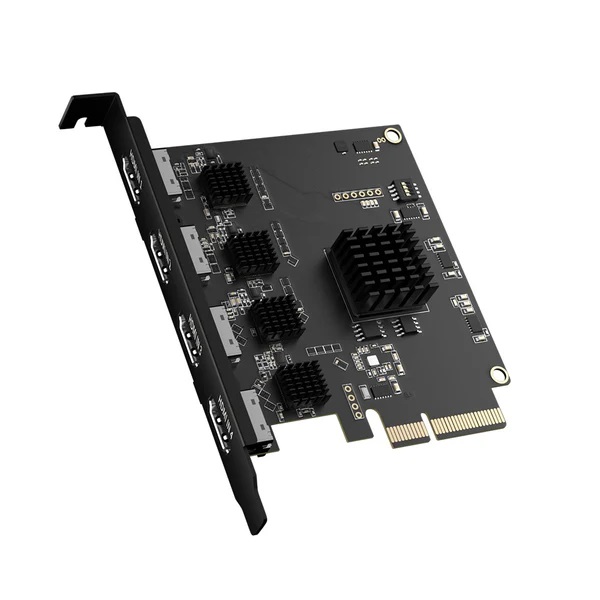
When choosing a medical video capture card, you need to consider multiple factors to ensure that it can meet the special needs of the medical field. Here are some key selection points:
1. Resolution
Importance: Resolution determines the degree of detail that the video capture card can capture. In the medical field, high-resolution video is crucial for diagnosis, surgical guidance, etc.
Selection suggestion: Choose a video capture card that supports high-definition (such as 1080p) or higher resolution (such as 4K) to ensure the clarity and richness of the video image.
2. Frame rate
Importance: The frame rate indicates the number of images that can be captured per second. A high frame rate is essential for capturing dynamic scenes and ensuring video smoothness.
Selection suggestion: Choose a video capture card that supports at least 60 frames per second to provide a smooth video experience, especially in scenarios that require real-time transmission, such as live surgery and telemedicine.
3. Color depth
Importance: Color depth determines the number of colors that the capture card can capture. In the medical field, accurate color reproduction is of great significance for diagnosis and analysis.
Selection suggestion: Choose a video capture card with a higher color depth to ensure the color accuracy and richness of the video image.
4. Interface type
Importance: The interface type determines how the card is connected to the computer or medical device. Different interface types are suitable for different application scenarios and devices.
Selection suggestion: Choose the corresponding video capture card according to the interface type of the medical device (such as HDMI, SDI, VGA, etc.). At the same time, consider the portability and ease of use of the device and choose the appropriate interface type (such as USB, Thunderbolt, etc.).
5. Stability and reliability
Importance: In the medical field, stability and reliability are crucial. The video capture card needs to maintain a stable working state during long-term use to ensure the continuity and accuracy of medical work.
Selection suggestions: Choose a video capture card that has been rigorously tested and certified to ensure its stability and reliability. At the same time, consider choosing a well-known brand and a product with good after-sales service.
6. Compatibility
Importance: Compatibility refers to whether the video capture card is compatible with different medical devices or software. In the medical field, compatibility between devices is of great significance for achieving seamless docking and data sharing.
Selection suggestions: When choosing a video capture card, understand the information such as the operating system, video processing software, and medical device models it supports to ensure that it is compatible with your equipment and software.
7. Other functional features
Video signal processing functions: such as image enhancement, filter effects, screen cropping, etc., these functions can improve the quality and visual effects of video images.
Low-latency transmission capability: For medical application scenarios that require real-time transmission (such as live surgery, telemedicine, etc.), it is crucial to choose a video capture card with low-latency transmission capability.
8. Budget considerations
Importance: Budget is one of the important factors to consider when choosing a video capture card. The prices of video capture cards of different brands and models vary greatly, and you need to choose according to actual needs and budget.
Selection suggestions: Choose the most cost-effective video capture card within your budget, while considering factors such as performance, stability, and after-sales service.
When choosing a medical video capture card, you need to consider multiple factors such as resolution, frame rate, color depth, interface type, stability and reliability, compatibility, and budget. By carefully comparing and evaluating different brands and models of video capture cards, you can choose the product that best suits your medical needs.
Application of high-definition VGA video capture card in large-screen splicing system
How much bandwidth is needed for live streaming with a capture card?
Leave a Reply
Your email address will not be published.Required fields are marked. *