By PURPLELEC | 04 June 2025 | 0 Comments
A Comprehensive Look at Certified Cables
In the electronics sector, the term "certified cables" is frequently encountered, underscoring a crucial aspect of modern technology - safety and performance standards. Essentially, cables earn certification after undergoing rigorous testing by recognized standard - setting bodies and meeting specific criteria in areas such as electrical safety, data transmission, and physical durability. These certifications serve to assure users that the cables they employ adhere to high - quality and safety standards, ensuring the proper functioning of devices without the risk of damage or hazards.
However, certification is not always an absolute necessity. The requirement for certified cables largely hinges on their intended use. In critical environments where reliability is paramount, such as healthcare or industrial applications, certified cables are typically indispensable. But for everyday use or when special specifications are needed (e.g., uncommon lengths or customized setups), certification may not be strictly necessary. In such cases, the focus shifts to sourcing cables from reputable, trustworthy brands and manufacturers known for their commitment to quality, even if the products lack official certification marks.

In this blog post, we will delve into the purposes and benefits of purchasing certified cables, different types of cable certifications, and how to ascertain whether a cable is truly certified.
Here's a professional tip: When buying cables from well - regarded brands, you can often get un - certified cables of equal quality at a lower price. Cable Matters rigorously tests each of its products to ensure that only the highest - quality offerings reach customers.
The Purposes of Cable Certification
Cable certification serves several key purposes that are of utmost importance to both manufacturers and users. This process is far more than just a regulatory hurdle; it is a symbol of quality and reliability that guides consumers' purchasing decisions. Let's explore the main reasons why cable certification is significant:
One of the primary reasons for cable certification is to ensure that products comply with specific industry standards. These standards are designed to guarantee that cables can safely and effectively handle the electrical loads and data transmission requirements they claim to support. By certifying cables, manufacturers can assert that their products have been tested and evaluated against benchmarks set by industry bodies, thus giving users full confidence in their compatibility and safety.
Through rigorous testing procedures, certification also reflects the quality and reliability of cables. Certified cables undergo various tests to assess their durability, performance under stress, and adaptability to environmental factors such as high temperatures and humidity. This stringent process helps weed out sub - standard products, ensuring that only cables meeting high - quality standards enter the market. For consumers, this means reliable products that perform as expected and stand the test of time.
An important aspect of cable certification is ensuring compatibility with a wide range of devices and systems. In today's diverse landscape of electronic products, it is crucial for cables to connect devices seamlessly, avoiding issues like data loss or signal interference. Certification tests the cables' ability to be compatible with different interfaces and technologies, ensuring a stable and reliable connection regardless of the device or system they are used with.
Cable certification is a vital process that benefits all stakeholders in the electronics industry. It ensures that cables are safe, of high quality, and capable of meeting requirements, thereby earning consumers' trust and satisfaction. By understanding the importance of cable certification, consumers can make informed decisions when choosing cables that suit their needs.
Types of Certified Cables
HDMI - Certified Cables

Cables certified by the HDMI Forum undergo compliance testing to ensure they can handle the maximum data rates specified by HDMI standards. They support features such as 3D video, Ethernet channel support, 4K resolution, and Audio Return Channel (ARC). These cables typically come with anti - counterfeiting labels to verify their authenticity and are designed to be compatible with a variety of HDMI - enabled devices.
Ethernet - Certified Cables

Ethernet cables certified by UL undergo performance and safety testing. These tests ensure that the cables meet industry standards such as TIA/EIA, thus guaranteeing optimal signal transmission capabilities and minimal crosstalk (interference between cables). UL certification also covers physical characteristics like flame retardancy and material quality, contributing to a safer network environment.
USB - Certified Cables

The USB Implementers Forum (USB - IF) oversees the certification of USB cables and tests them for compliance with power supply, data transmission rate, and mechanical durability standards. Certified cables support different USB versions and features, such as USB Power Delivery for faster charging and USB SuperSpeed for high - speed data transfer. This certification helps protect devices from potential damage caused by low - quality cables.
Certified Thunderbolt Cables

Intel's Thunderbolt certification program ensures that cables can handle the high bandwidth required by Thunderbolt interfaces, with Thunderbolt 5 offering speeds up to 120Gbps. These cables can connect various devices, including high - resolution displays and fast storage devices. Certified Thunderbolt cables also undergo image and sound quality testing to ensure consistent and reliable performance.
Certified DisplayPort Cables
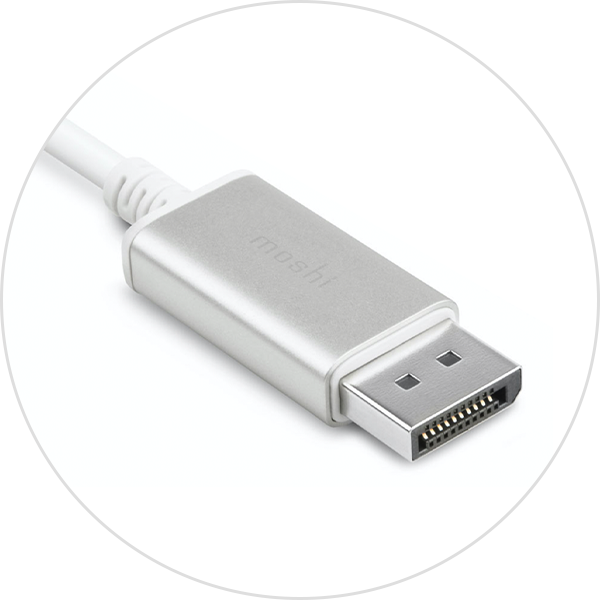
VESA's DisplayPort cable certification program guarantees that certified cables have passed rigorous high - bandwidth video and audio quality tests. These cables support features like 8K resolution, High Dynamic Range (HDR), and multi - channel audio. DisplayPort certification also means that the cables can reliably connect to a variety of DisplayPort - enabled devices without compatibility issues.
MFi - Certified Cables
Apple's MFi (Made for iPhone/iPad/iPod) certification for cables ensures that they are specifically designed to be compatible with Apple's Lightning interface system. MFi - certified cables undergo rigorous testing to ensure safe use and compliance with Apple's performance standards in areas such as electrical and mechanical components. Using MFi - certified cables helps prevent damage to Apple devices caused by incompatible or sub - standard accessories.
Certified Power Cords

Power cords with UL or ETL certification indicate that they meet strict safety standards. This certification process includes testing factors such as the power cord's voltage capacity, conductivity, resistance to extreme temperatures, and durability. Certified power cords are designed to prevent short circuits, overheating, or fires under normal operating conditions, providing users with an extra level of safety and reliability.
Each type of certification aims to ensure that cables not only meet the highest performance standards but also guarantee compatibility and reliability for consumers. By choosing certified cables, users can rest assured that they are making a safe, smart, and reliable choice to meet their connectivity needs.
Benefits of Using Certified Cables
When setting up or maintaining digital and electronic connections, choosing certified cables offers numerous advantages, ranging from enhanced performance to ensuring safety. Here are some of the main benefits:
Certified cables are designed to meet or even exceed the stringent standards set by certification bodies, resulting in superior performance and reliability. Whether you are gaming, transmitting data, or setting up a home theater, using certified cables ensures optimal signal integrity, speed, and bandwidth. For example, HDMI - certified cables can deliver high - definition video and audio without lag or distortion, while USB - certified cables guarantee fast and stable data transmission and efficient charging. This enhanced performance is crucial for professionals who rely on reliable connections for work and individuals seeking a seamless entertainment experience.
Safety is of utmost importance for electronic devices, and certified cables undergo rigorous testing to meet high safety standards. For instance, certified power cords and surge protectors are evaluated for fire resistance, electrical stability, and overall manufacturing quality to prevent risks such as electrical fires, electric shocks, and short circuits. This level of testing ensures that these cables do not pose safety hazards under normal operating conditions, giving users peace of mind.
The market is flooded with counterfeit and sub - standard cables that can potentially damage your devices. Certified cables typically come with proof of authenticity, often in the form of holographic labels or unique serial numbers, allowing consumers to purchase and use cables with confidence that they will not harm their devices. This authenticity guarantee is particularly important for products like Apple MFi - certified cables, which are specifically designed to work with Apple devices without causing damage or voiding the warranty.
Many electronic devices require the use of certified cables to comply with their warranty terms. Using un - certified cables can sometimes void the warranty, leaving consumers without compensation if the device malfunctions or is damaged. By choosing certified cables, users can ensure compliance with the manufacturer's guidelines, thus preserving the integrity of the device warranty. This compliance is crucial for expensive or professional equipment that may require warranty support.
Investing in certified cables, whenever possible, offers a host of benefits beyond just connectivity. Enhanced performance, safety assurance, product authenticity, and warranty compliance make certified cables a wise choice for anyone seeking to connect their devices safely and efficiently. If you are considering purchasing un - certified cables, make sure they come from a reputable company known for producing top - notch products.
Leave a Reply
Your email address will not be published.Required fields are marked. *